Learn how to identify and prevent workplace Upon successful completion, learners can download and print a digital certificate of completion.discrimination in this online course for managers and supervisors. Covers laws, policies, and reporting procedures.

Excavation and Trench Safety (CAN)
What is Excavation and Trench Safety (CAN)?
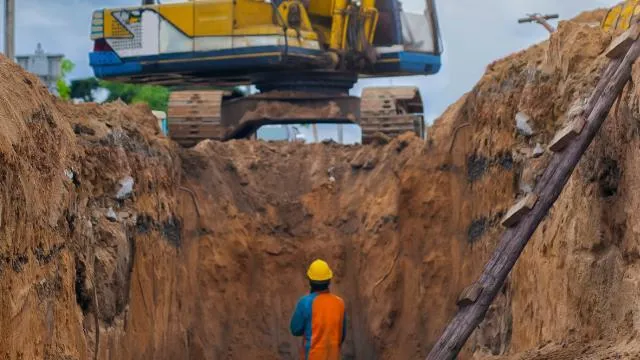
The Excavation and Trench Safety course equips Canadian workers and supervisors with the knowledge and skills needed to recognize and manage the hazards associated with trenches, excavations, and unstable soil conditions. Learners explore soil classification, protective systems, competent person responsibilities, and atmospheric testing while reviewing practical safety measures designed to prevent cave-ins, collapses, and other excavation-related incidents. With a focus on hazard recognition, regulatory compliance, and safe work practices, this training helps participants understand how to plan, inspect, and execute excavation work safely, reinforcing critical procedures that protect both workers and the surrounding environment.
Course Overview
The Excavation and Trench Safety course provides workers and supervisors in Canada with the knowledge needed to work safely around trenches, excavations, and unstable soil conditions. Designed to meet classroom training requirements and aligned with Canadian standards, this program introduces learners to essential concepts—including soil mechanics, protective systems, atmospheric hazards, and the duties of a competent person.
The training explores why excavation hazards are among the most dangerous in the construction industry and guides learners through practical precautions that prevent trench failures, cave-ins, and atmospheric emergencies. With a focus on hazard recognition, inspection requirements, and safe work procedures, this course helps reinforce the importance of planning, communication, and regulatory compliance.
Learners also review interactive knowledge checks to support retention and prepare for the final assessment. By the end of the course, participants will understand how to classify soil, select the correct protective system, identify common trench hazards, and follow safe excavation practices on Canadian job sites.
Excavation work exposes workers to significant risks, including collapsing soil, hazardous atmospheres, heavy equipment interactions, and unstable surfaces. Understanding soil behavior, protective systems, and entry precautions is critical for preventing injuries and ensuring compliance with Canadian requirements such as SOR 213/91 and SOR 86-304.
Competency & Competent Person
- Understanding competency requirements
- Roles and responsibilities of a competent person
Soil Classification
- Soil cohesiveness
- Basic soil types
- Soil testing and test methods
- Soil mechanics (vertical and lateral pressure, tension cracks, sliding, toppling, subsidence, bulging, heaving/squeezing, boiling)
Trench Failure & Precautions
- Causes of trench collapse
- Water removal and soil weight considerations
Protective Systems
- Shoring and whaler systems
- Pre-installation inspection and shoring installation
- Warnings and shore removal
- Trench shields and inspections
- Rigging gear, machine inspection, and lift capacity
- Shield installation (Part 2)
- Safety practices
- Sloping and benching
- Trench access and egress
Atmosphere
- Hazardous atmospheres
- Control methods
Hazards
- Common excavation hazards
- Accident profiles
- Other accident causes
This online Excavation and Trench Safety Training course takes approximately 90–120 minutes to complete, depending on the learner’s pace.
A minimum score of 80% is required to pass the course.
Upon successful completion, learners can download and print a certificate of completion.
Course Preview

Get Your Recognized Chlorine Awareness Certificate Today!
Get Your Recognized Chlorine Awareness Certificate Today!
Get your CMV Drivers – Backing Basics and Straight Line, Offset and Parallel Parking Certificate in as little as 45 minutes!