This 90-minute OSHA-compliant aerial lift training covers safe boom and scissor lift operation, stability, inspections, and hazard prevention.

Analyzing Radiological Hazards
What is Analyzing Radiological Hazards?
Radiological hazards are present in many research and academic labs, and knowing how to recognize and manage them is essential for safe work. This course introduces learners to the fundamentals of radiation safety, including how to identify radiation sources, understand exposure risks, and apply practical control measures. With clear, easy-to-follow guidance on both ionizing and non-ionizing radiation, the training helps learners build the awareness needed to work confidently and responsibly in any laboratory environment.
Course Overview
Radiological hazards are a significant concern in research and academic laboratories where radiation-producing equipment or radioactive materials are used. Analyzing Radiological Hazards: Laboratory Safety Training provides essential awareness for recognizing and managing these hazards safely.
Participants will learn how to identify potential sources of radiation, assess exposure risks, and apply safe work practices to minimize danger. The course covers both ionizing and non-ionizing radiation, explaining their differences, health effects, and control measures.
By the end of this course, learners will understand how to recognize radiological hazards, evaluate associated risks, and follow proper safety procedures to ensure compliance and personal protection in laboratory settings.
Topic Overview
Exposure to radiation can pose serious health risks if safety procedures are not followed. Understanding the distinction between ionizing and non-ionizing radiation, and knowing how to handle related equipment and materials, is crucial for maintaining a safe lab environment. This course supports radiation safety programs by promoting awareness and reinforcing compliance with laboratory safety standards.
Course Topics
- Radiological Hazards: Identify radiation sources and understand where hazards may occur in the lab.
- Ionizing Radiation: Learn about X-rays, gamma rays, and other high-energy radiation types, along with exposure control measures.
- Non-Ionizing Radiation: Review hazards from UV light, lasers, microwaves, and magnetic fields, and how to protect against them.
Course Duration
This online course takes approximately 20 minutes to complete. Learners can start, pause, and resume the training at their own pace for convenience.
Pass Mark
A passing score of 80% is required to successfully complete the course. Participants may repeat the training up to two times if they do not achieve the pass mark. Knowledge checks throughout the course reinforce key safety principles.
Certificate of Completion
Upon successful completion, a digital certificate of completion will be available for download and printing. This certificate confirms understanding of radiological hazards and safe work practices for laboratory environments.
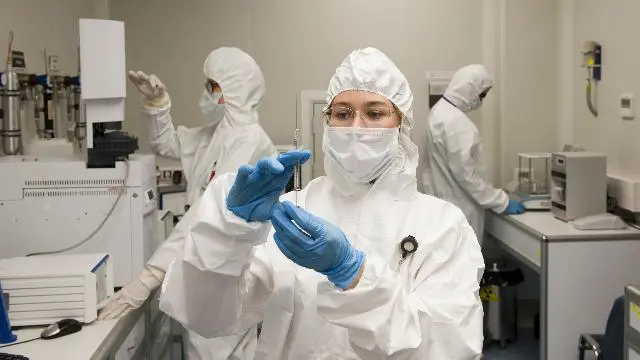
Course Preview

Get Your Recognized Leadership for Safety Excellence Certificate Today!
Get Your Recognized Leadership for Safety Excellence Certificate Today!
Get your Weights and Dimensions Certificate in as little as 90 minutes!