This 90-minute OSHA-compliant aerial lift training covers safe boom and scissor lift operation, stability, inspections, and hazard prevention.

Bloodborne Pathogens in First Response Environments
What is Bloodborne Pathogens in First Response Environments?
Bloodborne Pathogens for First Responders Training provides emergency personnel, paramedics, firefighters, and law enforcement officers with the knowledge and skills to prevent exposure to infectious diseases such as HIV, Hepatitis B, and Hepatitis C. This OSHA-compliant online course covers key safety principles, the Bloodborne Pathogens Standard (29 CFR 1910.1030), exposure control plans, proper use of personal protective equipment (PPE), biohazard labeling, and post-exposure procedures. Participants will learn practical strategies to reduce risks during emergency response activities while ensuring compliance with OSHA requirements and promoting safe, confident performance in high-risk situations.
Course Overview
First responders face a high risk of exposure to bloodborne pathogens (BBPs) such as HIV, Hepatitis B, and Hepatitis C when providing emergency care. This Bloodborne Pathogens in First Response Environments online course helps emergency personnel, paramedics, firefighters, and law enforcement officers understand and apply the practices that prevent the transmission of infectious diseases.
This training fulfills OSHA’s Bloodborne Pathogens Standard (29 CFR 1910.1030) requirements by outlining key safety principles, regulatory standards, and control measures needed to protect workers in first response environments. Learners will gain an understanding of safe handling, exposure prevention, and proper response in the event of potential contact with infectious materials.
By the end of this course, participants will be able to:
- Identify common sources of bloodborne pathogen transmission
- Understand the OSHA Bloodborne Pathogens Standard and the Exposure Control Plan
- Use appropriate personal protective equipment (PPE)
- Recognize biohazard labeling and hazard communication symbols
- Follow post-exposure procedures and reporting requirements
- Reduce the risk of exposure during emergency response activities
Topic Overview
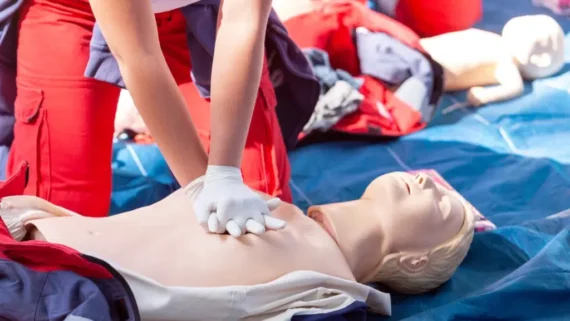
This course combines clear instruction with visual demonstrations to reinforce OSHA compliance and best practices for infection control in emergency response settings.
Course Topics
- HIV, Hepatitis, and Sources of Infection
- The Exposure Control Plan
- Biohazard Labeling
- Reducing the Risk of Exposure
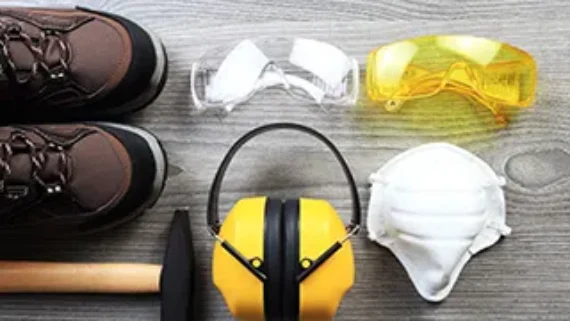
- Personal Protective Equipment (PPE)
- Hepatitis Vaccinations
- Post-Exposure Procedures
- And More
Course Duration
Approximately 45 minutes. Learners may pause and resume the training as needed.
Pass Mark
An 80% score is required to pass. Participants may retake the course up to three times. A downloadable student manual is included for ongoing reference and compliance support.
Certificate of Completion
Upon successful completion, participants will receive a Certificate of Completion, available immediately for download and printing.

Course Preview

Get Your Recognized Leadership for Safety Excellence Certificate Today!
Get Your Recognized Leadership for Safety Excellence Certificate Today!
Get your Weights and Dimensions Certificate in as little as 90 minutes!