Learn about employee rights and employer obligations for jury duty, military, and family leave in this 20-minute online compliance training.

Compressed Gas Cylinders Online
What is Compressed Gas Cylinders Online?
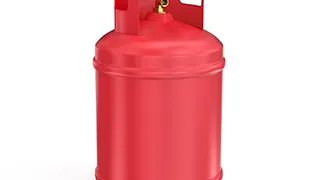
Help your workforce take smarter, safer action when working around compressed gas cylinders. The Compressed Gas Cylinder Training Online builds essential hazard awareness by explaining the risks created by pressure, flammable and fuel gases, reactive materials, and extreme cold exposures like cryogenic liquids. Learners gain practical skills to identify cylinder components and attachments, spot damage or corrosion during inspections, and apply safe practices while transporting, storing, and operating cylinders. With a focus on real workplace applicability, the course supports stronger hazard recognition, promotes responsible equipment use, and encourages consistent safety habits in industrial, lab, and maintenance environments.
Course Overview
Compressed gas cylinders can be extremely dangerous when they are not handled correctly. The high pressure inside these containers can cause serious injuries—and in some cases, fatalities—when cylinders are damaged, misused, or improperly stored. This Compressed Gas Cylinders Online course provides learners with essential knowledge to help prevent these incidents by promoting safe practices.
The training explains the hazards associated with compressed gases and teaches workers how to identify cylinder components, understand gas types, and recognize safe operating procedures. Learners also explore inspection techniques and precautions required during transportation, storage, and maintenance. This course is recommended for anyone who works with or around compressed gas cylinders in industrial or laboratory environments.
Compressed gas cylinders contain materials under significant pressure, creating risks such as leaks, fires, explosions, and physical injuries. A solid understanding of equipment parts, labeling requirements, and safe work practices helps prevent accidents and ensures proper handling throughout the gas cylinder’s lifecycle. This course provides the foundational knowledge needed to work safely with compressed gases and maintain compliance with workplace safety expectations.
What is a Compressed Gas Cylinder
- Learn about cylinder construction and key components
- Understand how pressure and gas properties affect safety
Types of Gases
- Review common compressed gas types and their uses
- Identify unique hazards associated with specific gases
Training Requirements
- Understand who requires training and why
- Review general regulatory expectations
Preparing to Use Compressed Gas
- Learn how to assess the work area and equipment before use
- Understand required precautions and PPE
Moving Cylinders
- Apply safe techniques for transporting cylinders
- Understand the importance of securing cylinders at all times
Inspecting Cylinders & Equipment
- Recognize signs of damage, corrosion, or malfunction
- Learn what to check before connecting or operating a cylinder
Use of Cylinders
- Follow proper procedures for opening valves, attaching regulators, and operating equipment
- Learn practices that reduce leak and ignition risks
Storage of Cylinders
- Apply safe storage standards, including segregation and securing
- Understand ventilation, signage, and temperature considerations
Handling Leaks
- Learn how to identify leaks and respond safely
- Understand when cylinders should be removed from service
Managing Empty Cylinders
- Follow proper disposal, marking, and return procedures
Special Hot Work Precautions
- Understand additional hazards when cylinders are near welding or cutting activities
Using Oxygen
- Review oxygen-specific hazards and safe practices
- Learn why oxygen must be stored and handled separately
Using Acetylene & Other Fuel Gases
- Understand flammability risks and special handling requirements
Using Cryogenic Liquid Gases
- Identify hazards related to low-temperature gases
- Learn PPE and handling guidelines for cryogenic cylinders
Piping Compressed Gases
- Review safe practices for installing and maintaining gas piping systems
This online compressed gas cylinder course takes approximately 30 minutes to complete. Learners may start, pause, and resume the training at their convenience.
A minimum score of 80% is required to pass the course. Participants may repeat the training up to two times if they do not meet the required mark. Knowledge checks throughout the program reinforce key learning concepts.
Upon successful completion, learners can download and print a digital certificate confirming their understanding of safe compressed gas cylinder use, storage, inspection, and hazard prevention.
Course Preview

Get Your Recognized Leadership for Safety Excellence Certificate Today!
Get Your Recognized Leadership for Safety Excellence Certificate Today!
Get your Weights and Dimensions Certificate in as little as 90 minutes!