
integrated risk management
platform
Manage operational risk with connected data, clear workflows, and audit-ready records.
BIS Safety Software delivers Operational Risk Management Software built for safety and compliance teams who need reliable visibility into what is happening across sites, crews, and workflows. Centralize hazards, incidents, inspections, corrective actions, and supporting evidence in one system so you can identify patterns, track follow-through, and make informed decisions to manage operational risk.
An integrated risk management software approach reduces friction by connecting the work you already do, from recording hazards and incidents to tracking corrective actions and retaining the evidence that supports compliance and accountability.

Problem Section
Risk management breaks down when information lives in too many places.
Workplaces move fast. Risks shift with people, equipment, and conditions. Safety leaders are often balancing prevention, compliance, reporting, and training at the same time. When risk data is split across separate tools, teams lose time reconciling information instead of managing exposure.
Here is what that typically looks like:
-
✓ Hazards get recorded, but follow-up is inconsistent across supervisors or sites.
✓ Corrective actions are assigned, but deadlines slip and visibility fades.
✓ Risk scoring and reviews are inconsistent, so priorities drift.
✓ Audit preparation becomes a last-minute scramble for evidence and approvals.
✓ Leadership reporting relies on manual exports and stitched-together spreadsheets.
If the system does not connect the dots, “risk management” becomes recordkeeping. A strong program needs clarity, consistency, and accountability across the full risk lifecycle.
Solution Section
Meet BIS Safety Software for Integrated Risk Management
BIS Safety Software is an EHS learning and compliance platform built for safety professionals. It centralizes key workflows so teams can maintain compliance, reduce administrative burden, and strengthen their approach to managing risk.
As an integrated risk management platform, it helps you:
-
✓ Capture risk-related inputs consistently across sites and teams
✓ Standardize how risks are evaluated and documented
✓ Connect hazards, incidents, inspections, and corrective actions in one system
✓ Identify patterns, trends, and recurring issues over time
✓ Use reporting and dashboards to support informed decisions and targeted improvement
✓ Maintain time-stamped evidence to support audits and due diligence


Features Section
What this integrated risk management platform helps you do
Capture and organize risk information
A strong program depends on reliable information. When inputs are consistent, your data becomes useful.
-
✓ Record hazards, near misses, incidents, and inspections in one place
✓ Standardize fields and reporting expectations across teams
✓ Attach photos, notes, signatures, and supporting documents
✓ Maintain a clear record of what was observed and when
Better inputs lead to better visibility.
Evaluate and prioritize risks more consistently
Integrated risk management does not need to be complex to be effective. Consistency is what improves decision-making.
-
✓ Apply guided scoring using your organization’s risk matrix and definitions
✓ Reduce scoring variation between supervisors or locations
✓ Track changes in risk ratings over time
✓ Support both routine reviews and targeted risk assessments
This helps teams align on what matters most and why.

Convert insights into tracked obligations
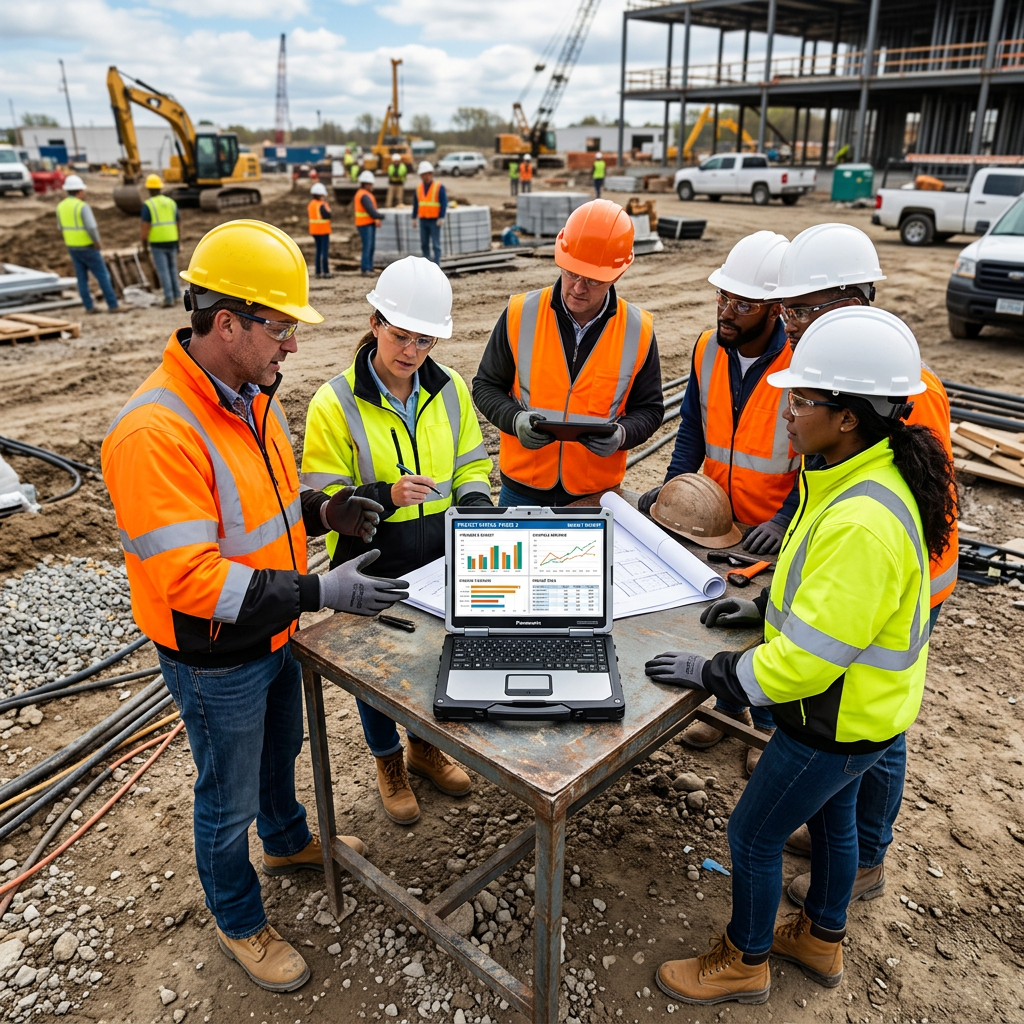
Documentation matters when it leads to action. Integrated workflows help convert risk signals into monitored tasks.
-
✓ Delegate corrective or preventive tasks with clear priority tags
✓ Track progress, due dates, and completion status
✓ Use reminders and visibility to reduce overdue obligations
✓ Keep action ownership clear so tasks do not stall between departments
Your team can show what was identified, what was done, and what is still open.
Replace paper-based inspections, checklists, and audits
Participation improves when reporting is simple and consistent.
-
✓ Configurable digital forms for inspections, audits, and site checks
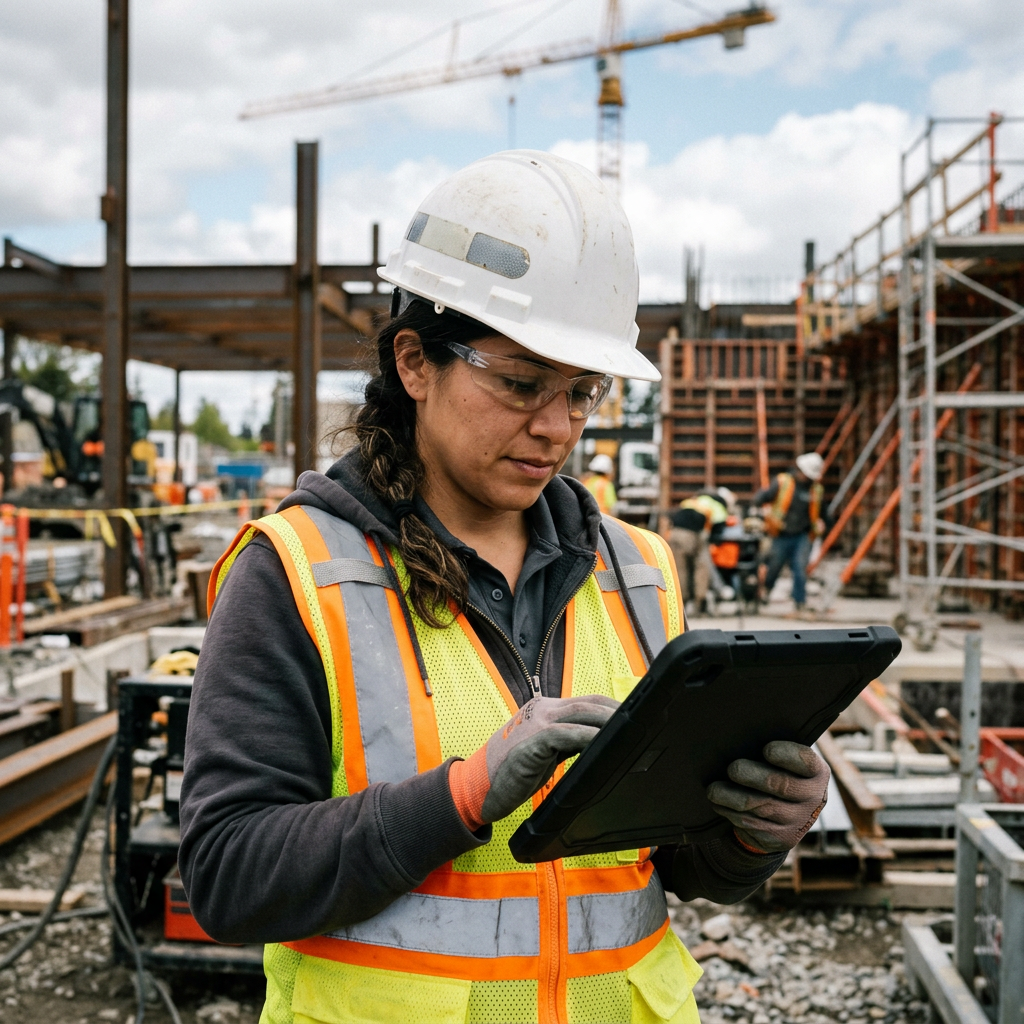
✓ Capture images, signatures, and notes from any device
✓ Store results securely with real-time visibility
✓ Reduce manual data entry and spreadsheet consolidation
This supports better oversight and more consistent reporting.
Link assets, hazards, and actions to manage equipment-related risk
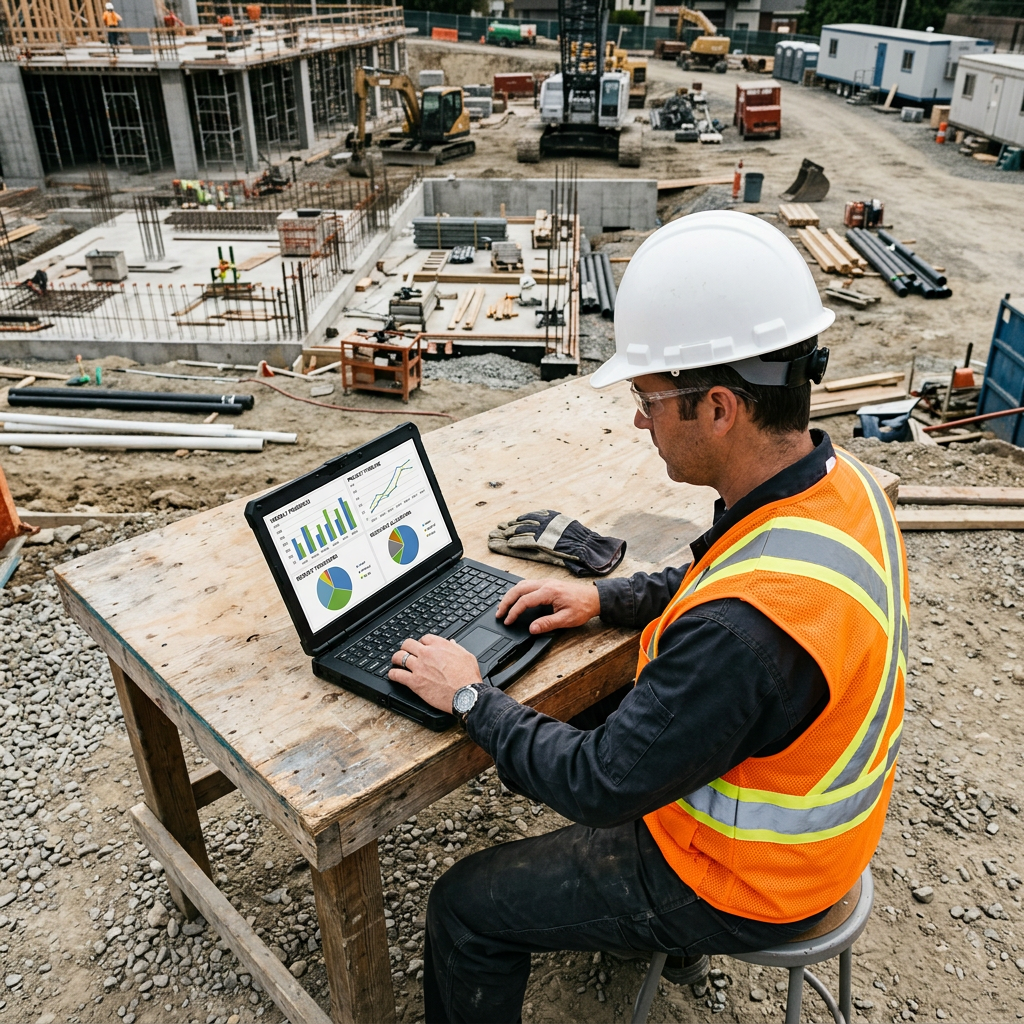
Risk exposure is often tied to equipment and site conditions. Asset-linked records help teams manage that complexity.
-
✓ Track equipment and site assets that require inspections or maintenance
✓ Link assets to inspections, incidents, and corrective actions
✓ Build clearer histories of recurring issues tied to equipment and location
When questions come up, your team can trace the context quickly.
Investigate incidents and document contributing factors
Integrated risk management is stronger when investigations lead to learning and improvement.
-
✓ Structured investigation workflows to support consistent documentation
✓ Root cause and contributing factor tracking aligned to your process
✓ Corrective actions tied directly to findings
✓ A clearer view of repeated contributors across events
The goal is not just closing an investigation, but reducing repeat events.

Use dashboards, trends, and patterns to guide decisions
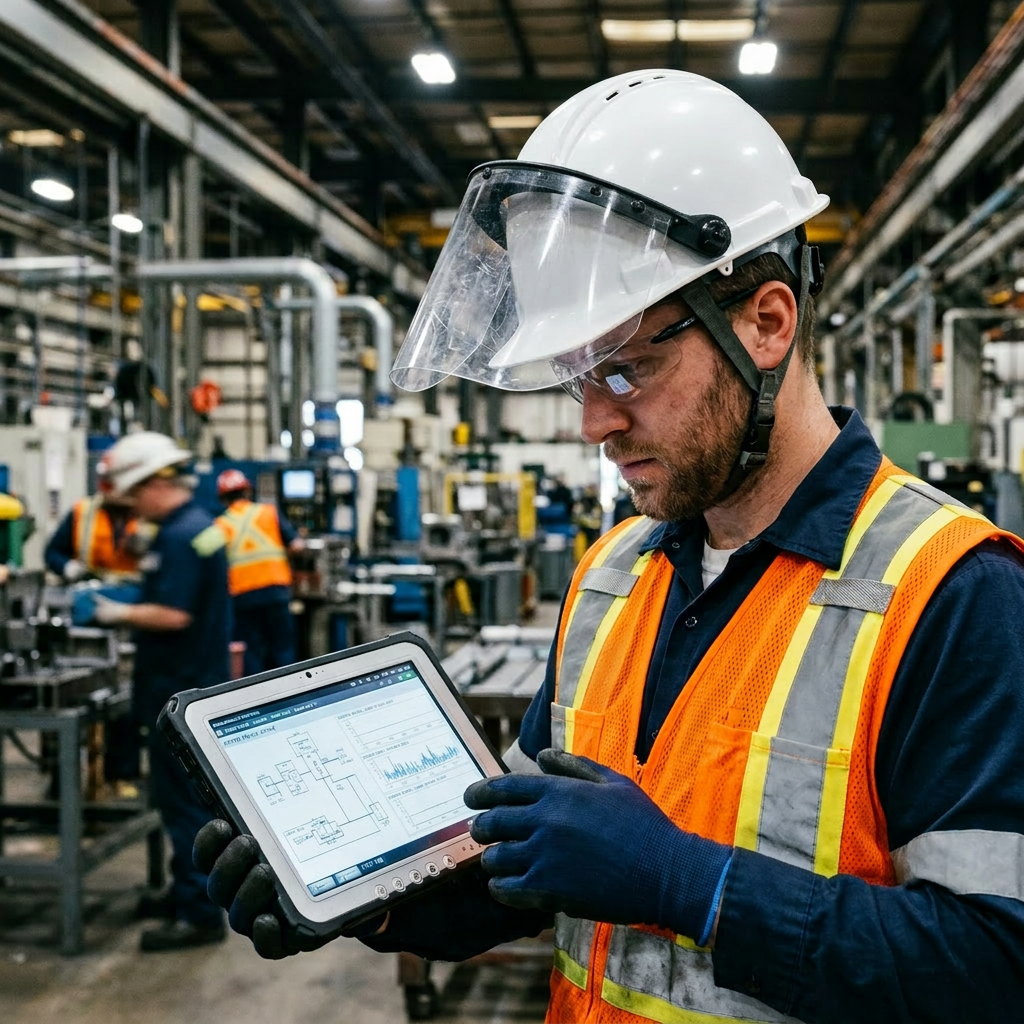
This is where integrated data becomes valuable. Not prediction, but visibility you can act on.
-
✓ Dashboards that summarize reporting activity and open actions
✓ Trend views that highlight recurring hazards and repeated contributors
✓ Reporting that supports leadership visibility and planning
✓ Better clarity on where safety effort and resources are being spent
When data is connected, patterns are easier to spot and easier to address.
Support audit readiness and due diligence
Be more confident during audits with organized records and evidence retention.
-
✓ Track obligations and maintain supporting documentation
✓ Keep time-stamped logs, approvals, and attachments
✓ Reduce last-minute evidence hunts and duplicated recordkeeping
✓ Demonstrate consistent processes across sites and teams
Due diligence becomes easier to show because the proof stays organized.

Benefits Section
Why teams choose integrated risk management software
Better visibility into what is happening
When hazards, incidents, inspections, and actions are tracked in one place, it becomes easier to understand what is occurring across sites and teams, and where attention may be needed.

Use Cases Section
Built for risk management in safety and operations
This integrated risk management platform supports a wide range of workflows:
-
✓ Hazard identification and risk libraries for routine and high-risk tasks
✓ Near-miss and incident reporting that connects directly to investigations and actions
✓ Corrective and preventive action tracking with accountability and deadlines
✓ Inspections and audits that reduce paper trails and manual consolidation
✓ Asset-linked records for equipment inspections and maintenance oversight
✓ Leadership reporting that highlights trends and recurring issues across sites
It is especially valuable for organizations managing multiple locations, assets, contractors, or high-consequence work where documentation and follow-through matter daily.
Ready to improve visibility and follow-through?
If risk work is still spread across disconnected tools, it may be time to bring it together in one integrated system.
Tips Section
Practical ways to strengthen risk management right away
Software supports the process, but governance makes it effective. Here are actions that consistently improve results:
-
✓ Define clear standards for what must be reported and when
✓ Use consistent risk scoring definitions so teams prioritize the same way
✓ Assign follow-up actions with one owner and a real deadline
✓ Review open actions weekly with supervisors and area owners
✓ Use dashboards to identify recurring hazards, repeat contributors, and overdue trends
✓ Share learnings across sites so improvements travel faster than incidents
Integrated data helps, but consistent habits make it stick.

FAQ Section
Frequently Asked Questions
An integrated risk management platform connects risk-related workflows in one system. Instead of separate tools for hazards, incidents, corrective actions, inspections, and reporting, data stays linked so teams can track follow-through and see patterns over time.
No. It does not predict future incidents or automatically “spot” risks. It provides valuable data, patterns, trends, and reporting that help safety teams make informed decisions and manage risk more effectively.
A risk register records risks. Integrated risk management software supports the full cycle: capturing hazards and events, documenting assessments, assigning actions, tracking completion, and retaining supporting evidence.
Yes. Corrective actions can be assigned with owners, priorities, and due dates, and tracked through to completion. Visibility improves because actions remain linked to the original hazard, incident, inspection, or investigation.
Integrated systems help retain evidence through organized logs, approvals, and attachments. That improves audit readiness and reduces last-minute evidence hunts.
Integrated risk management is valuable for any organization with multiple locations, contractor oversight, frequent inspections, or a high volume of corrective actions. If your team spends significant time reconciling spreadsheets and chasing follow-through, you will likely feel the benefit quickly.
Strengthen risk management with connected data and clear follow-through
Give your organization the visibility to understand what is happening, and the structure to follow through consistently. With BIS Safety Software, teams can capture risk information, identify patterns and trends over time, and manage corrective actions in a connected integrated risk management platform.