Boom Lift Safety Essentials
Safe Operation Starts With Skill, Awareness, and Preparation
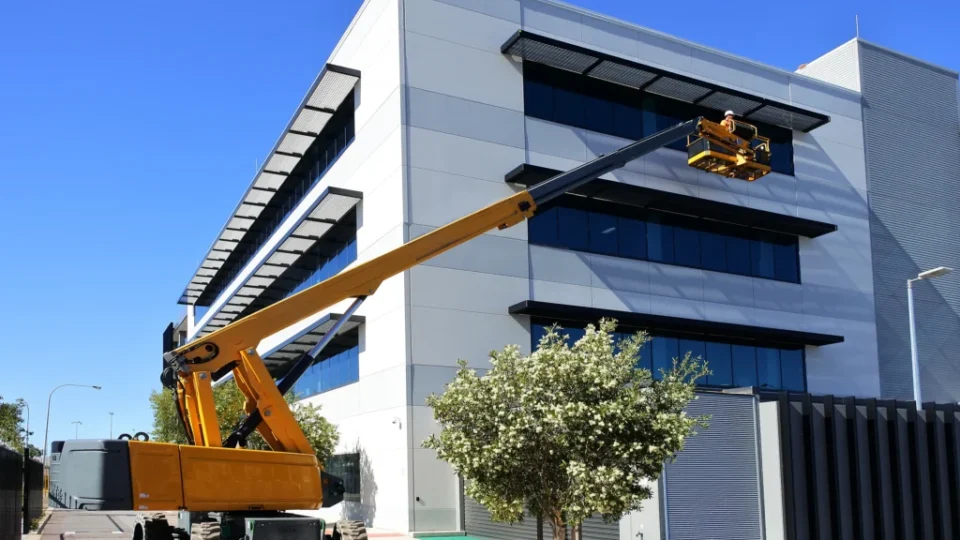
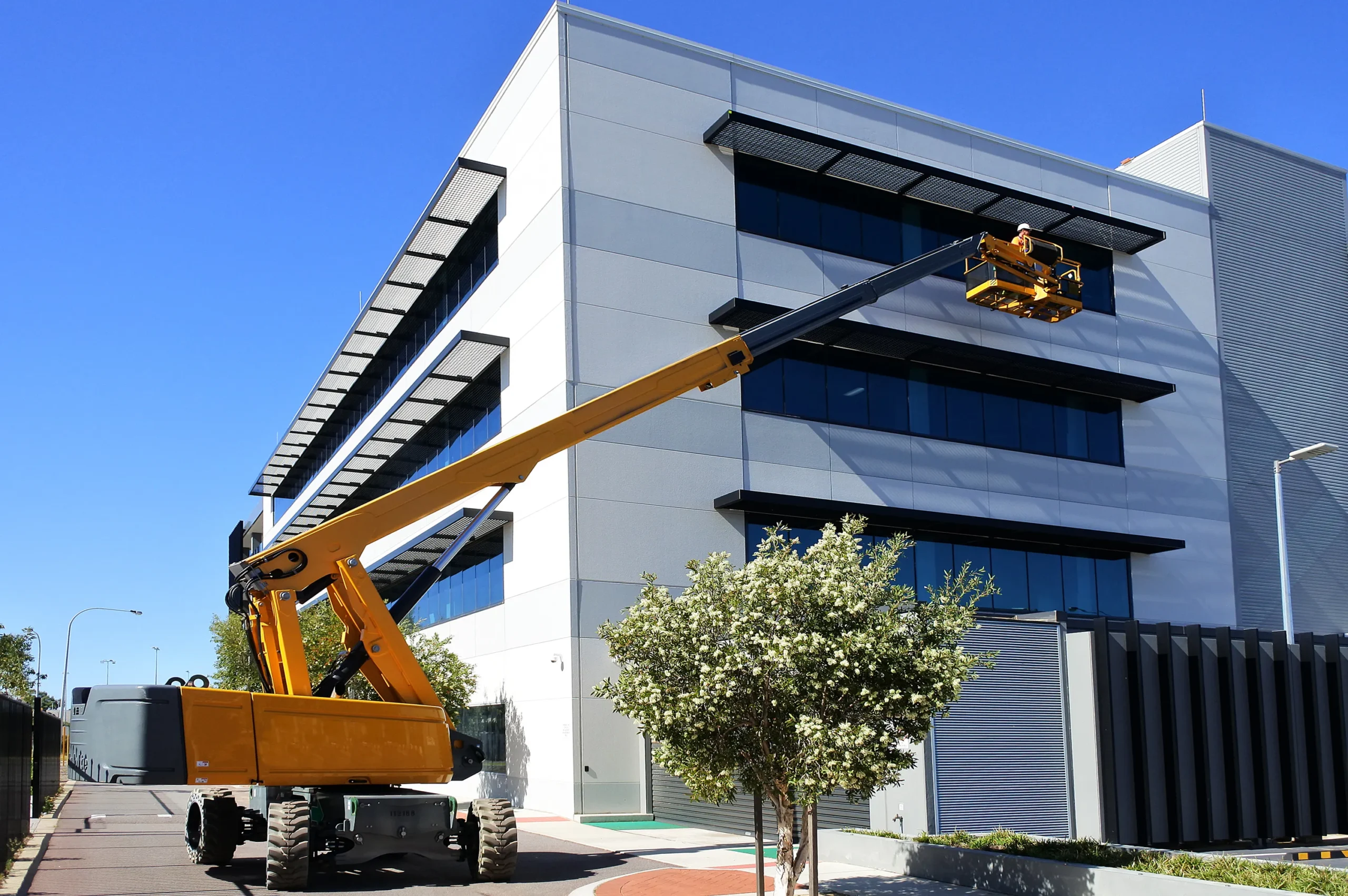
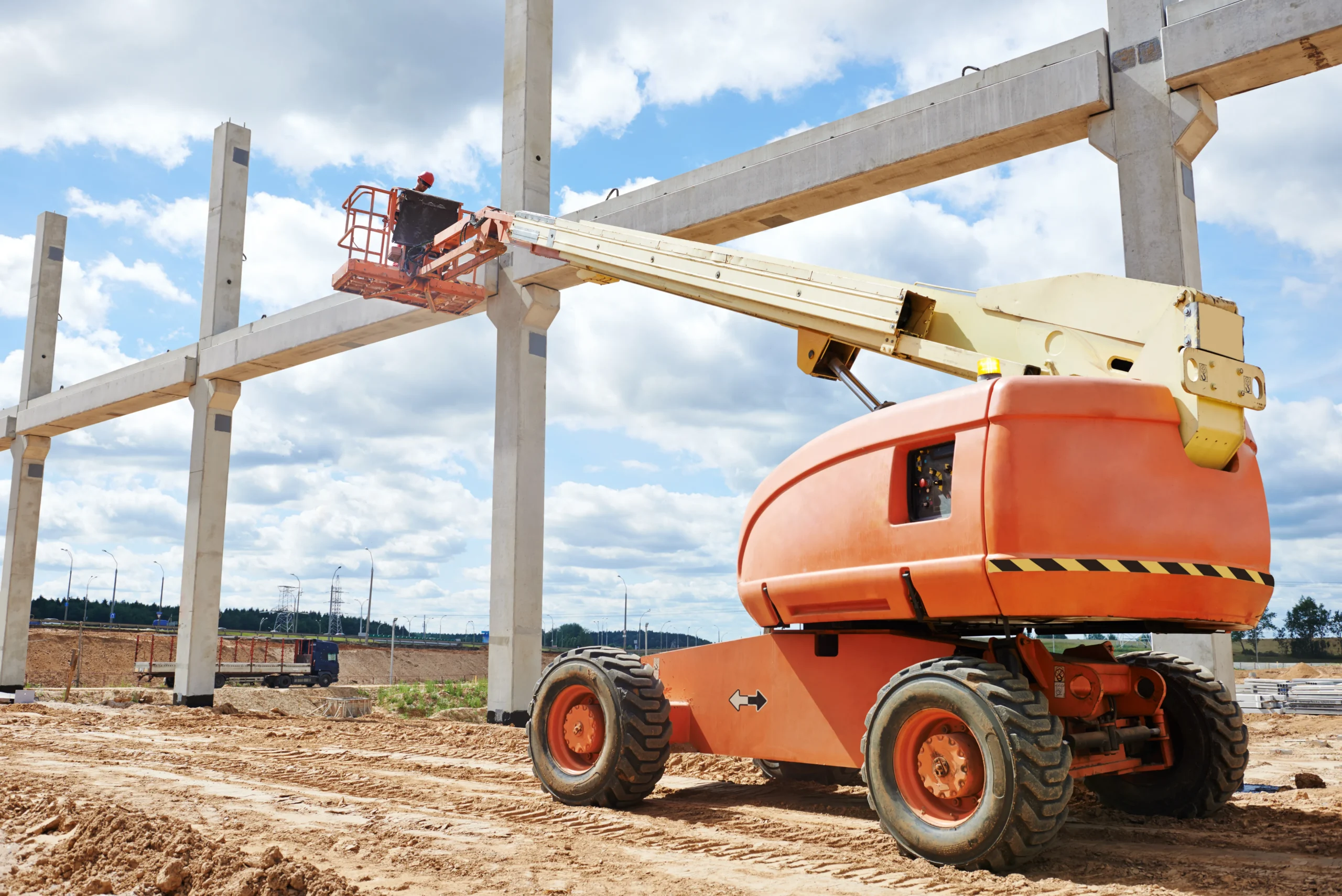
Across construction, utilities, and maintenance work, boom lifts also known as MEWPs, man lifts, or cherry pickers are relied on to reach elevated areas efficiently. They offer greater stability than ladders and more versatility than scaffolding. But with their extended reach comes serious responsibility. A single misstep can lead to a fall, tip-over, collision, or electrical contact, putting workers and equipment at risk.
Safe boom lift operation doesn’t happen by chance. It requires proper training, thoughtful planning, and consistent attention to surroundings. That’s why comprehensive boom lift training is critical anywhere these machines are used.
Why Boom Lift Safety Is Critical
Used properly, boom lifts make elevated work significantly safer. However, many incidents occur every year, and most are linked to preventable mistakes rather than equipment malfunction.
Common Boom Lift Incidents and Their Causes
Even experienced operators can become complacent over time. The most frequent types of incidents include:
- Tip-overs caused by overloading, extending too far, or operating on unstable surfaces
- Falls resulting from improper fall protection or climbing guardrails
- Electrical contact with overhead powerlines
- Collisions due to blind spots or poor communication
Underneath these incidents are preventable root causes:
- Outdated or insufficient operator training
- Skipped or incomplete pre-operation inspections
- Exceeding platform capacity
- Working on soft, sloped, or uneven ground
- Failing to recognize electrical hazards
- Operating in unsafe weather conditions
- Lack of communication between the operator and ground crew
With proper awareness and training, these risks can be significantly reduced.
Inspections: The First Step in Safe Operation
Every boom lift shift should begin with a thorough inspection. Equipment issues can appear overnight, and ground conditions may change from one day to the next.
Before starting work, operators should check for:
- Cracks, leaks, loose components, worn tires, or missing decals
- Functioning alarms, controls, and emergency stop systems
- Adequate fluid levels and battery condition
- Hazards such as potholes, slopes, unstable terrain, or soft soil
- Environmental concerns like high winds or approaching storms
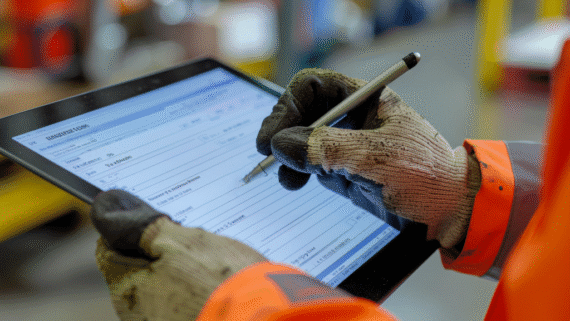
Inspection checklists aren’t just paperwork, they’re essential tools that prevent incidents and ensure accountability.
Hazard Control When Working at Height
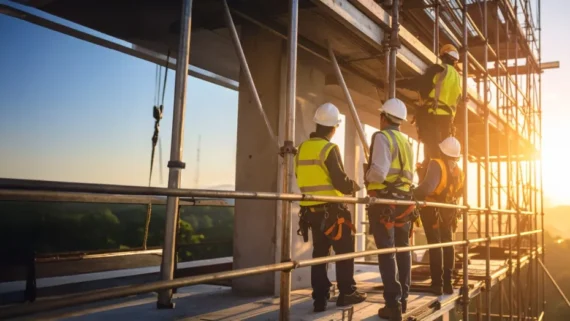
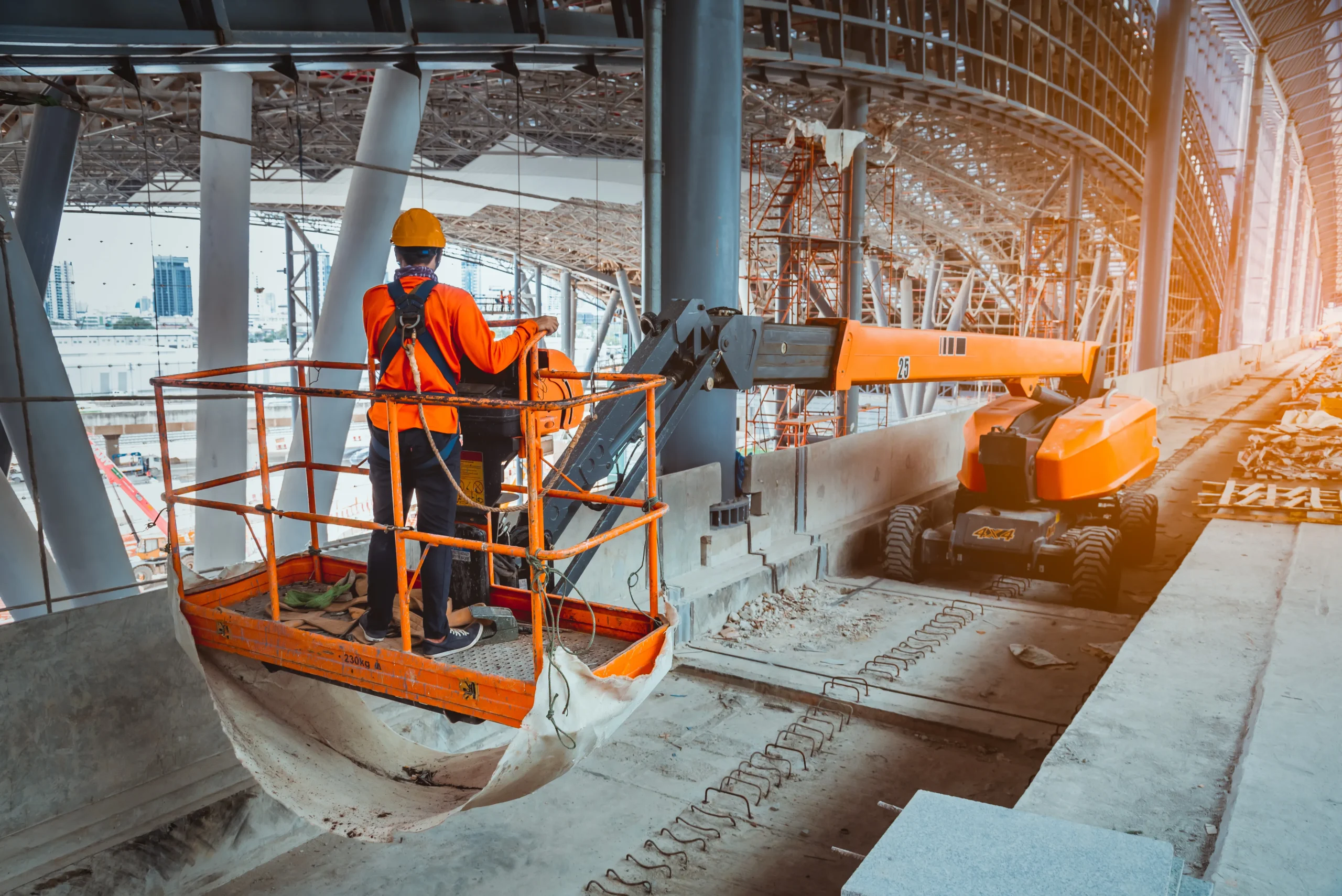
Once the platform is elevated, the consequences of unsafe behaviour increase dramatically. Operators must:
- Use approved anchor points and a proper personal fall arrest system (PFAS)
- Prevent dropped objects by securing tools and keeping the platform organized
- Maintain safe distances from powerlines according to CSA and provincial safety requirements
Electricity doesn’t need direct contact to cause injury, arcs can travel surprising distances. Falling objects, even small ones, can also cause severe harm. Constant awareness is just as important as technical skill.
Safety Is a Team Effort
Preventing boom lift incidents depends on shared responsibility:
- Equipment owners must maintain and certify lifts
- Employers must ensure workers have proper PPE, procedures, and training
- Operators must conduct inspections and follow safe work practices
When everyone plays their part, worksites become more productive, more efficient, and far safer. Compliance isn’t just a legal obligation, it’s a commitment to protecting the people who keep projects moving.
Train With BIS Boom Lift Safety Programs
Boom lifts offer tremendous advantages, but only when operated by knowledgeable, trained workers. BIS Safety Software’s Boom Lift Safety Course helps learners:
- Identify risks and prevent common boom lift incidents
- Understand machine categories and safe-use principles
- Conduct thorough pre-operation inspections
- Use fall protection and PPE effectively
- Follow CSA standards and meet OHS expectations
Proper training safeguards your workforce, reduces downtime, and strengthens your organization’s safety culture.
Give your team the skills they need, enroll today.