Essential Personal Protective Equipment for Safer Workplaces
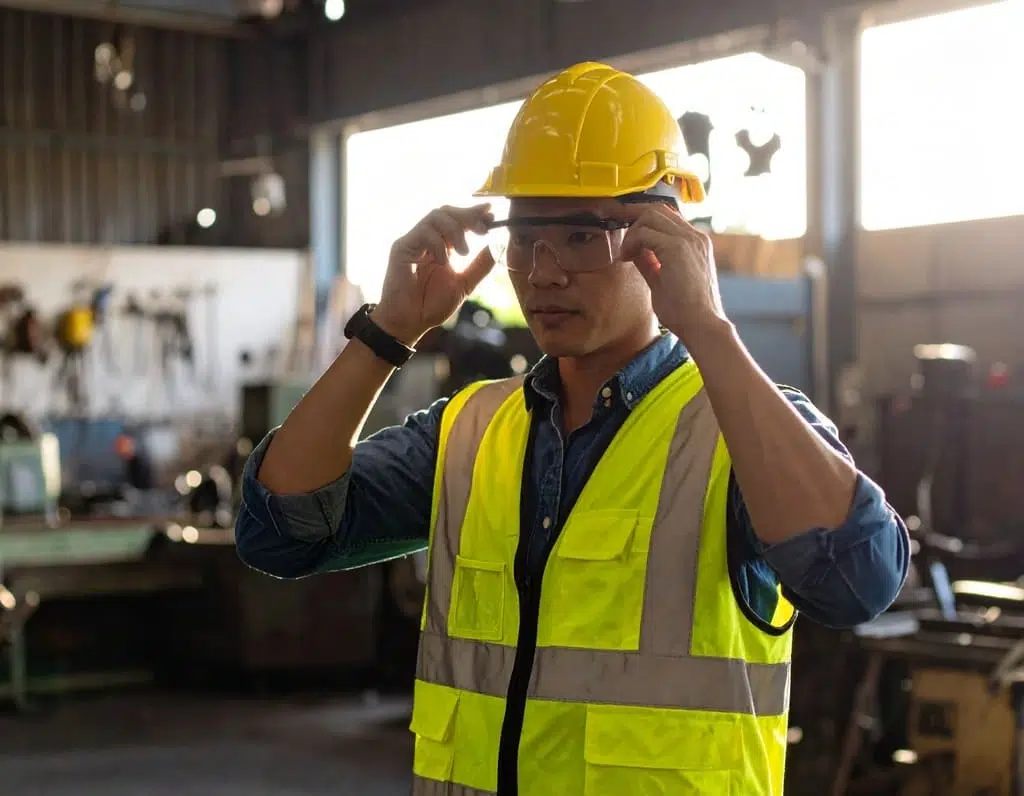
Essential personal protective equipment (PPE) serves as the final layer of protection against workplace risks. It includes items like face shields, safety boots, ear protection, and flame-resistant gear—all designed to reduce injuries when other safety controls aren’t enough.
Though engineering or administrative measures take priority, PPE becomes vital when risks persist. From oil and gas to healthcare and logistics, the right PPE can make all the difference.
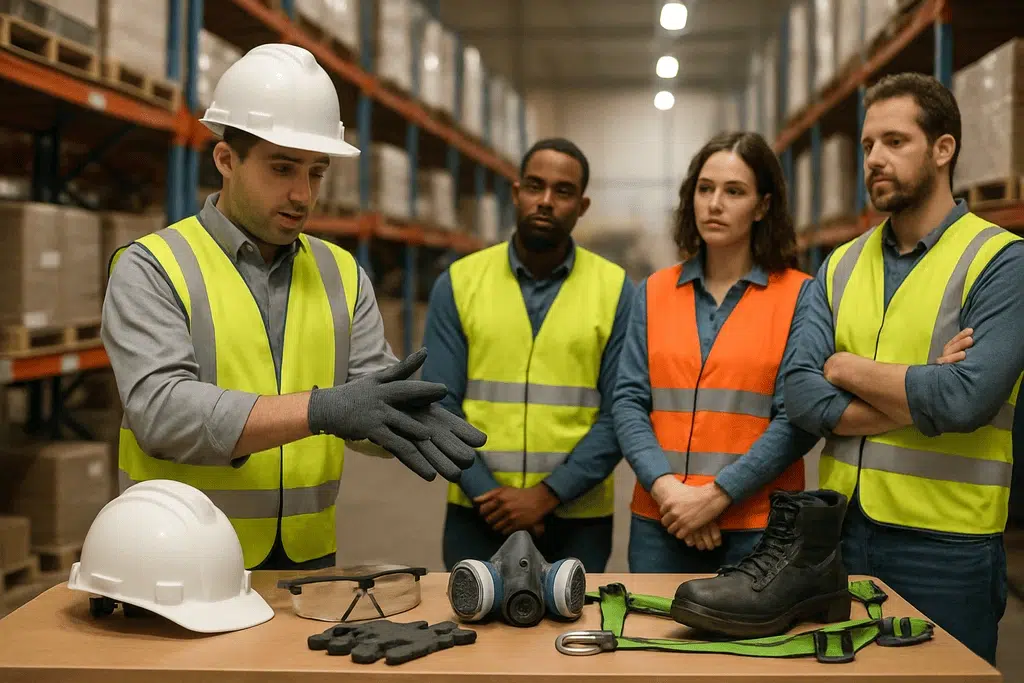
Common Types of PPE in the Workplace
Each type of equipment is selected based on the job’s hazards:
- Headgear: Helmets, bump caps
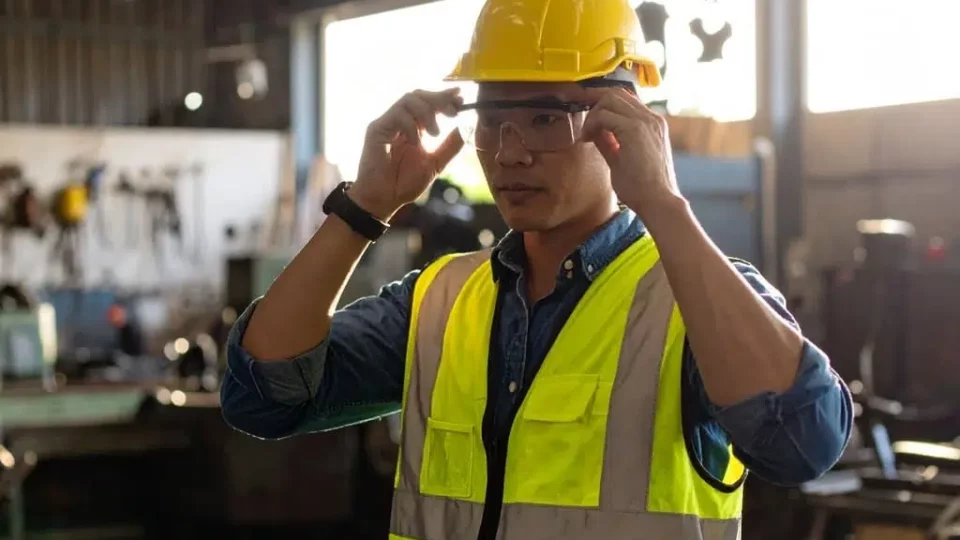
- Eye/Face: CSA-certified goggles, visors
- Hearing: Earplugs, hearing bands
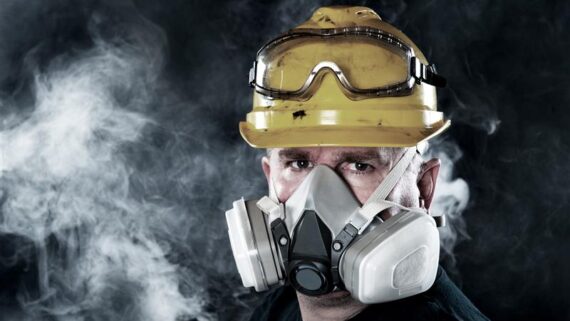
- Respirators: N95, P100 masks
- Hands: Chemical-resistant gloves, cut-proof gloves
- Feet: Composite-toe footwear, anti-slip soles
- Bodywear: Lab coats, high-visibility coveralls
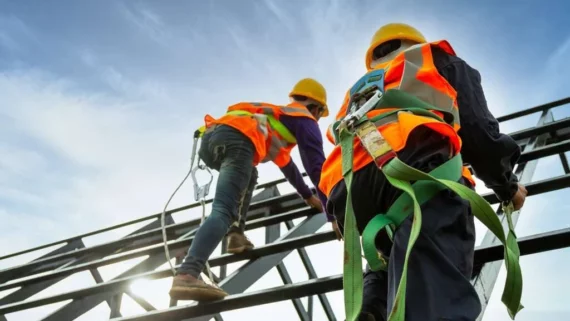
- Height Safety: Lanyards, harnesses, anchors
Why Workers Sometimes Skip PPE
Even with rules in place, PPE isn’t always used properly. Common issues:
- Incorrect sizing or worn-out gear
- Insufficient training or reminders
- Time pressure
- Perceived discomfort
Safety leaders stress the importance of routine PPE audits and active coaching to fix these gaps.
PPE Responsibilities Under Canadian Standards
Employers have a legal duty to:
- Conduct job hazard analyses
- Provide necessary PPE at no cost
- Offer hands-on training
- Replace PPE that’s unsafe or expired
Non-compliance can result in injuries, liability, and citations under CSA or provincial regulations.
People Also Ask :
Why is PPE important in the workplace?
It minimizes harm when risks can’t be completely engineered out.
Is PPE usage regulated in Canada?
Yes. CSA and provincial standards set strict guidelines.
Do workers have to wear PPE?
Yes, when required by policy or regulation.
Who ensures PPE is maintained?
Employers must regularly inspect and replace gear as needed.
PPE in Real Scenarios
- A worker in mining uses full-body PPE to reduce exposure to fine dust.
- A warehouse employee avoids foot injury thanks to impact-rated boots.
- A technician wears gloves and goggles when handling corrosive chemicals.
Creating a Proactive PPE Mindset
PPE is not just equipment—it’s a safety habit. Organizations that treat it as part of their culture see stronger compliance and fewer incidents.
Make training consistent, model best practices, and never treat PPE as optional.