
First Aid at Work: A Shared Duty for Every Employee

A safe and prepared workplace doesn’t just meet deadlines, it protects its people when the unexpected happens. While no one expects an emergency at work, the truth is that medical incidents can occur anywhere, from construction sites to quiet office spaces. Having employees trained in first aid can make all the difference when every second counts.
When workers know how to respond quickly and confidently, they not only save lives but also create a culture of safety and care across the organization.
Why First Aid Training Belongs in Every Workplace
Many people assume that first aid training is only necessary in high-risk environments like factories or industrial sites. In reality, emergencies can arise anywhere, a staff member may choke during lunch, trip in the hallway, or experience a heart attack at their desk.
First aid covers a wide range of skills and responses, including:
- Applying pressure to stop bleeding
- Stabilizing a broken limb
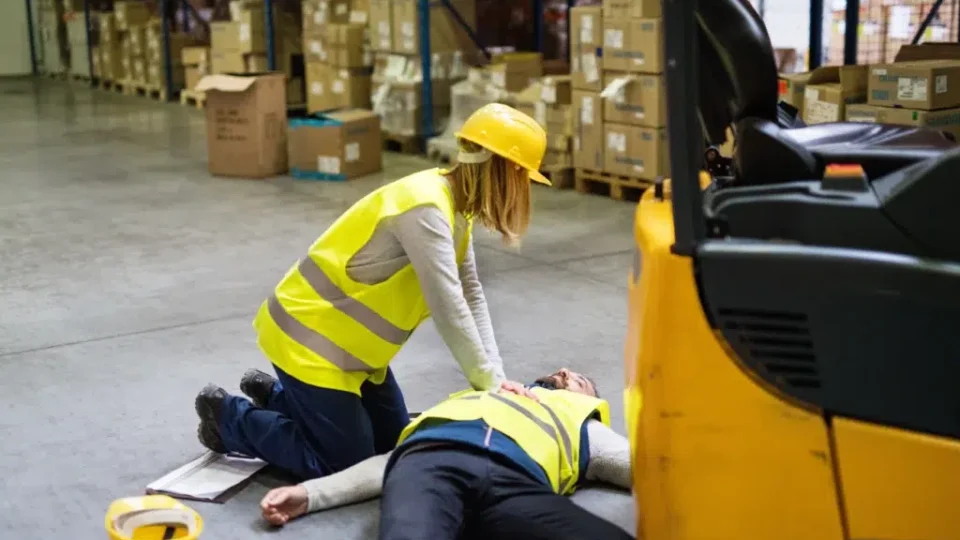
- Performing CPR or using an AED
- Assisting someone having an asthma attack or allergic reaction
- Supporting a colleague showing signs of stroke
In critical moments before emergency responders arrive, it’s not rank or strength that matters, it’s readiness. Every trained person onsite increases the chance of an organized and effective response. One worker can assess the situation, another can call 911, and someone else can fetch the first aid kit or AED. Together, they create a safety net that saves time and lives.
Emergencies Can Happen Anywhere, Anytime
It’s easy to assume someone else will take charge in an emergency but hesitation can cost precious time. Even in low-risk settings, unpredictable events can happen: sudden cardiac arrest, a fainting spell, or a severe allergic reaction. In industries like construction, oil and gas, or transportation, the risks are even greater.
Preparedness is not about expecting danger every day, it’s about being ready when it does appear.
Addressing the Fear of Liability
Some employees avoid first aid training because they’re worried about legal consequences if something goes wrong. While understandable, this concern is largely unfounded. In Canada, Good Samaritan laws protect people who offer reasonable assistance in emergencies.
These laws are built on a few simple principles:
- Act with good intentions
- Stay within the scope of your training
- Provide only the help that’s needed
With this protection in place, trained employees can act confidently. Performing CPR, using an AED, or providing other first aid support should never be delayed out of fear, taking action can mean the difference between life and death.

The Importance of Consent in First Aid
Consent plays a vital role in first aid situations, and understanding it helps reduce hesitation.
- Conscious victim: Always ask, “I’m trained in first aid. May I help you?” A verbal “yes” or nod grants permission.
- Unconscious victim: When someone cannot respond, implied consent applies, you can proceed with first aid.
- Children without guardians: If a parent or guardian isn’t available, implied consent also allows trained individuals to assist while identifying themselves and explaining what they are doing.
Recognizing consent ensures respect for the person’s autonomy while allowing timely care.
Staying Safe While Helping Others
Helping someone in distress should never come at the cost of your own safety. Before stepping in, trained workers should always:
- Check for hazards such as exposed wires, smoke, or chemical spills
- Use protective gear like gloves or masks when dealing with bodily fluids
- Maintain awareness of their surroundings while offering care
By staying aware of potential risks, employees can protect themselves while providing effective assistance.
Training Builds Confidence and Saves Lives
First aid shouldn’t be treated as a one-time training or a forgotten binder on a shelf. It should be part of the workplace culture, something everyone feels comfortable practising.
A team that’s trained and ready can respond faster, stay calmer, and make smarter decisions during crises.
Prepared people create safer workplaces.

Empower Your Team with Practical First Aid Training
If your team isn’t yet prepared for workplace medical emergencies, it’s time to take action. BIS Safety Software’s Basic First Aid course helps employees gain real-world skills through interactive modules, self-assessment exercises, and scenario-based learning.
Learners explore practical topics like:
- Choosing the right items for a first aid kit
- Identifying hazards before helping an injured worker
- Learning how to use an AED correctly
- Making quick, informed decisions during simulated emergencies
Participants complete a final assessment and earn a certificate of completion, proving their readiness to help when it matters most.
Start building a safer, more confident workplace, one trained employee at a time.