From Planning to Protection: Safe Handling and Spill Response for Anhydrous Ammonia
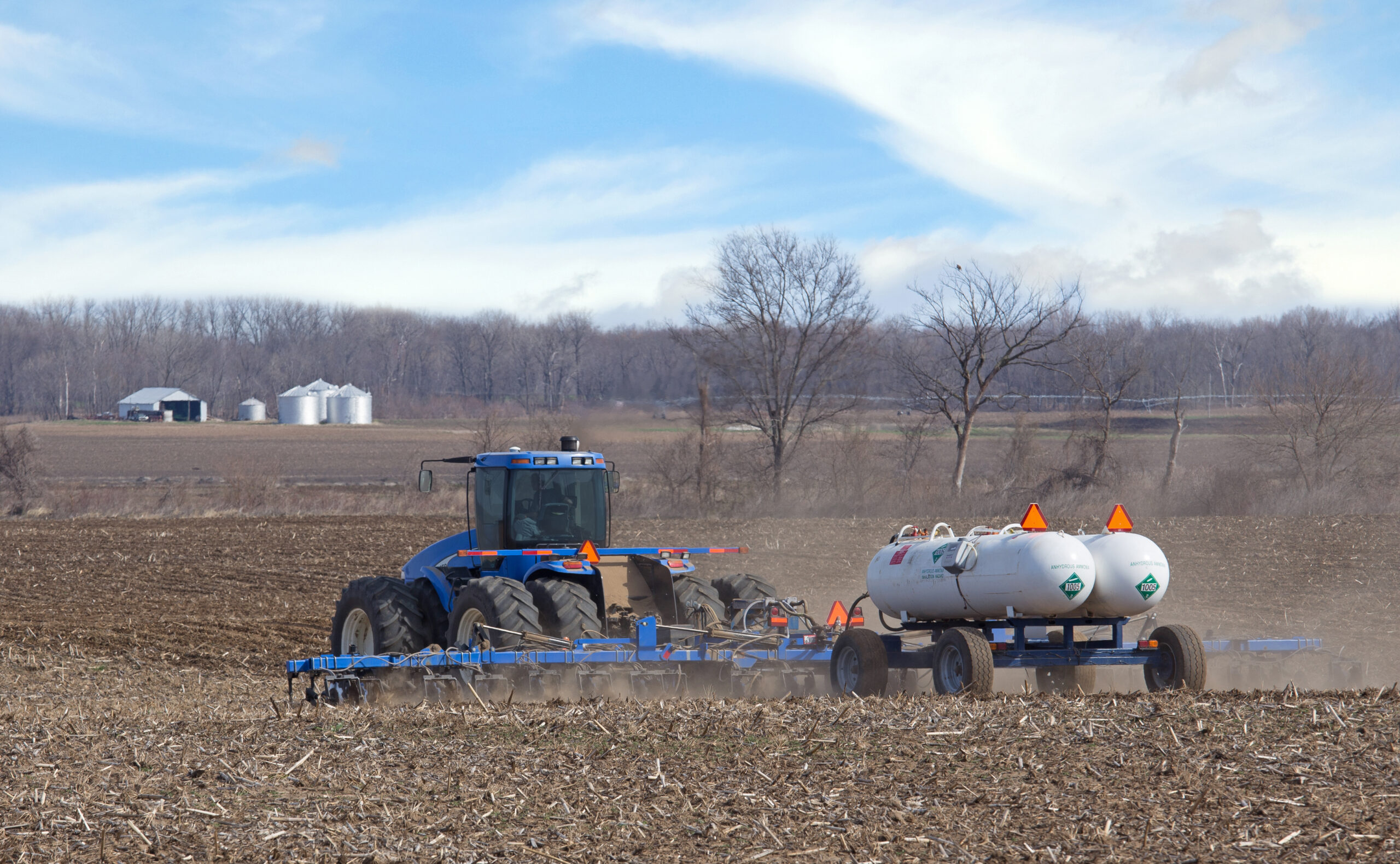
Even a faint ammonia odour should trigger caution. In Canadian facilities using anhydrous ammonia, routine tasks can escalate quickly because this substance is colourless, disperses rapidly, and reacts aggressively with moisture in eyes, skin, and lungs. Safe outcomes come from repeatable habits, applied every time, not just once.
Identifying Ammonia: Recognize What You Can’t See
Anhydrous ammonia is invisible as a gas and becomes a liquid only under pressure, but its pungent smell is detectable at very low levels long before it becomes life-threatening. On site, build a recognition routine:
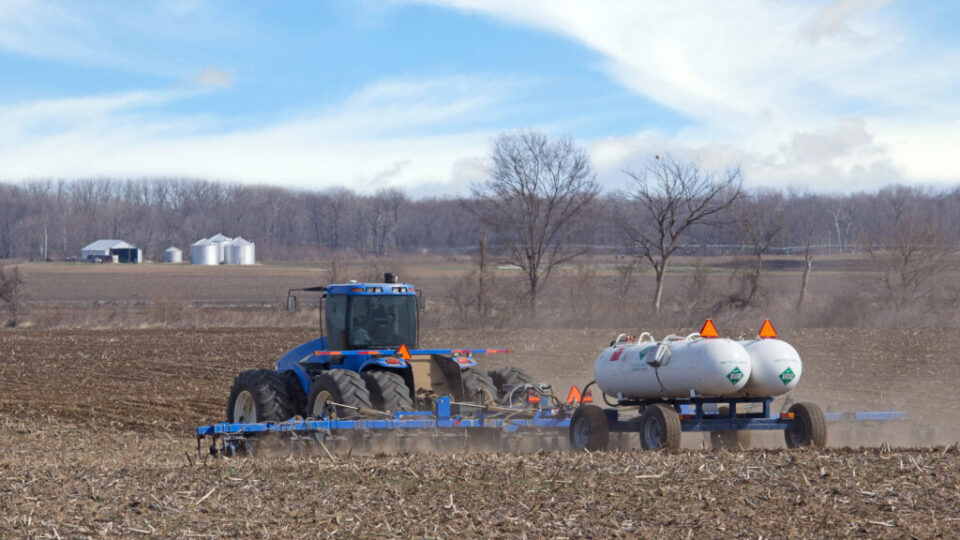
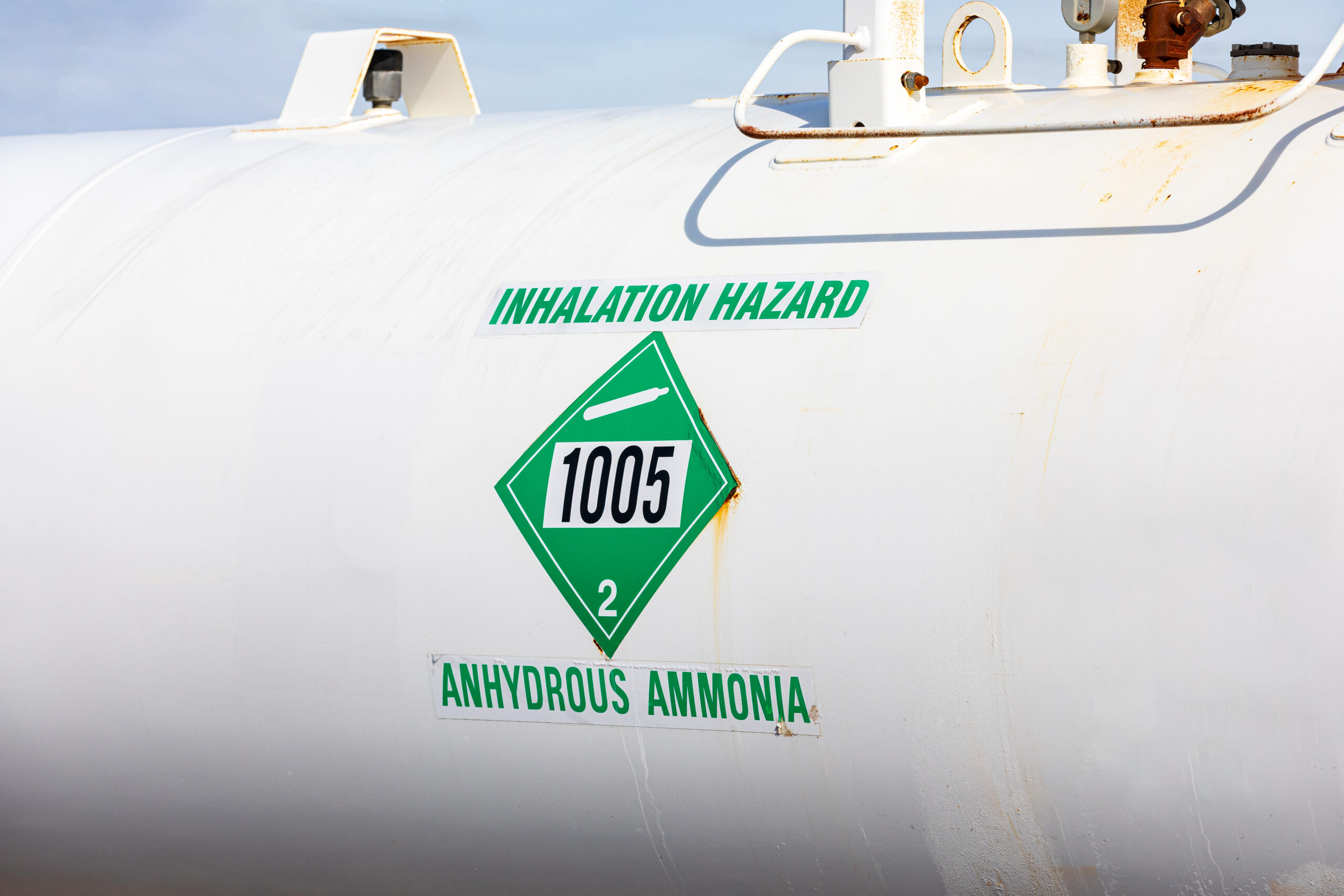
- Verify “NH₃” labels and placards on vessels and lines.
- Confirm mechanical or natural ventilation is operating effectively.
- Consider temperature: increasing heat raises tank pressure and leak potential because ammonia expands dramatically when released.
Safe Handling and Storage: Control the Conditions
Ammonia follows physics; people follow procedures. Treat transfers and inspections as team activities with at least two trained workers positioned upwind of valves and connections. Make equipment eligibility obvious:
- Use hoses marked “anhydrous ammonia” with a clear manufacture date; tag any undated or damaged items out of service.
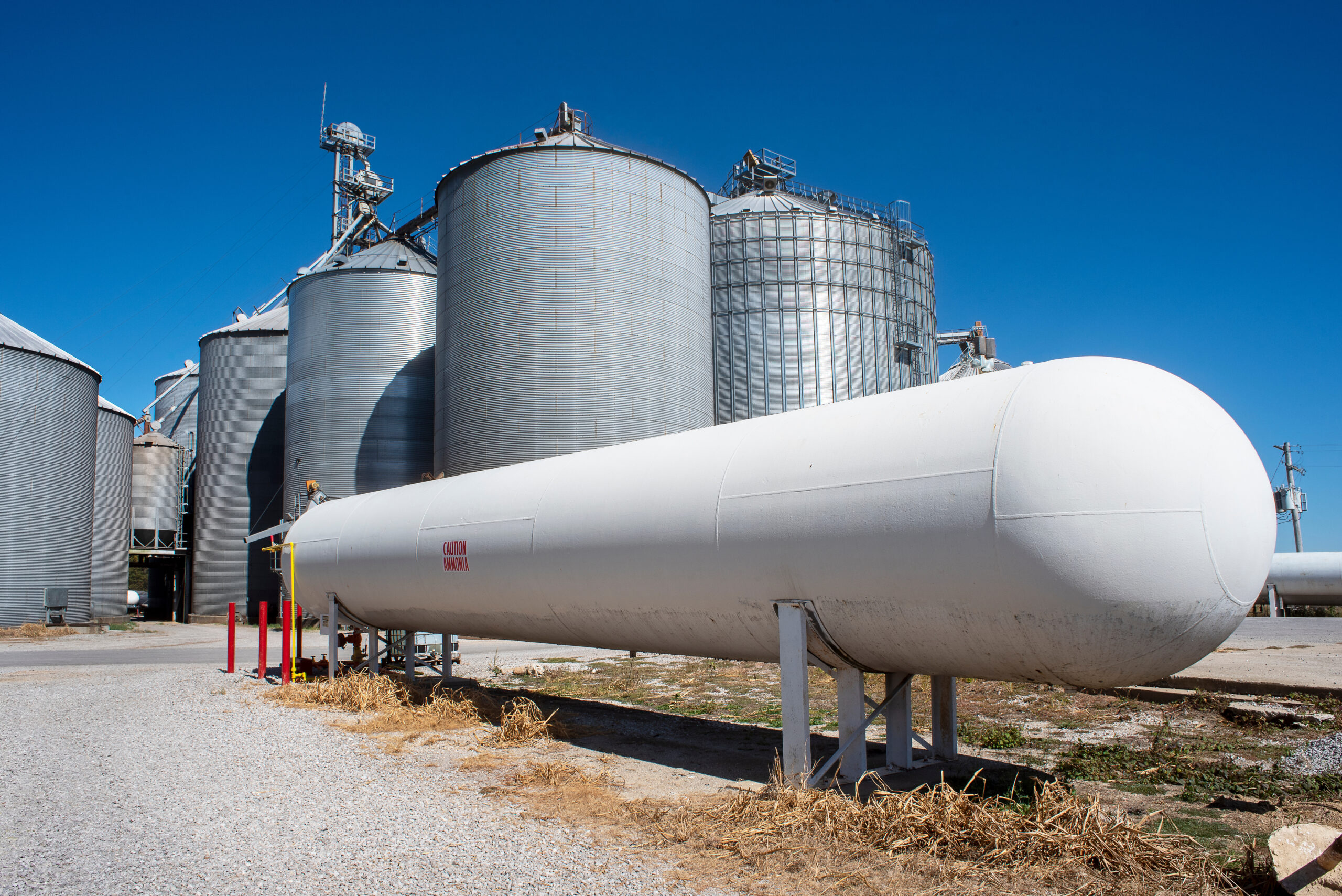
- Engineer storage areas for fast egress and clean airflow; separate from flammables and incompatible materials.
- Manage fill levels to allow for thermal expansion; do not overfill tanks, and keep relief devices in date and tested.
Ask proactive questions before work starts:
- Is ventilation sufficient and verified?
- Are escape routes upwind, signed, and unobstructed?
- Are pressure gauges, relief valves, and shutoffs within inspection intervals?
Health Hazards: What Exposure Does to the Body
Because ammonia seeks water, it targets moist tissues first. Low exposures irritate eyes and the respiratory tract; higher concentrations can cause rapid chemical burns, airway spasm, and severe eye injury. Contact lenses should not be worn where ammonia exposure is possible. Risk rises with both concentration and duration, so control time and dose using ventilation, monitoring, and work-rest practices.
Emergency Response: Act with Intent
If there’s an ammonia release, communicate immediately: activate the site emergency plan, notify supervision, and call emergency services. Only trained responders should attempt isolation or repair.
- Treat PPE as the last barrier: chemical-resistant gloves and clothing, splash goggles or face shield, and when required, an appropriate respirator.
- If exposure occurs, start flushing right away: irrigate eyes or skin continuously for 15–30 minutes. Remove contaminated clothing only once it’s thawed and not adhered to tissue.
- Move to an upwind refuge isolated from building ventilation. Use wind direction to choose egress — ammonia plumes can spread in a widening pattern and may rise in dry air.
Security and Awareness: Prevent Misuse
Anhydrous ammonia can be targeted for illicit purposes. Build layers of deterrence and detection:
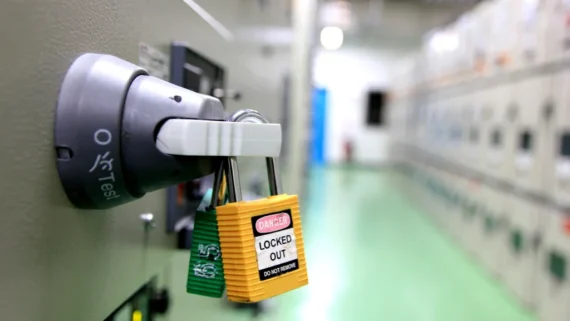
- Lock enclosures and valves; monitor with cameras or inspections.
- Watch for signs of tampering, such as unusual corrosion or staining on fittings.
- Use simple visual indicators (e.g., entry status lights) so workers instantly understand access rules and report anomalies.
Turn Awareness into Practice
Respect for ammonia must translate into routine actions: checking hose stamps, verifying relief valves, standing upwind before opening a line, and documenting inspections. Consistency is what keeps crews and communities safe.
Training Next Steps
Equip your team to recognize hazards, apply controls, and respond confidently to NH₃ incidents. Our Canadian-focused Ammonia Safety Course covers storage, transfer, exposure control, and emergency procedures — helping turn high-stakes work into predictable, safe performance.