Gas Detection: Turning Invisible Risks into Actionable Alerts
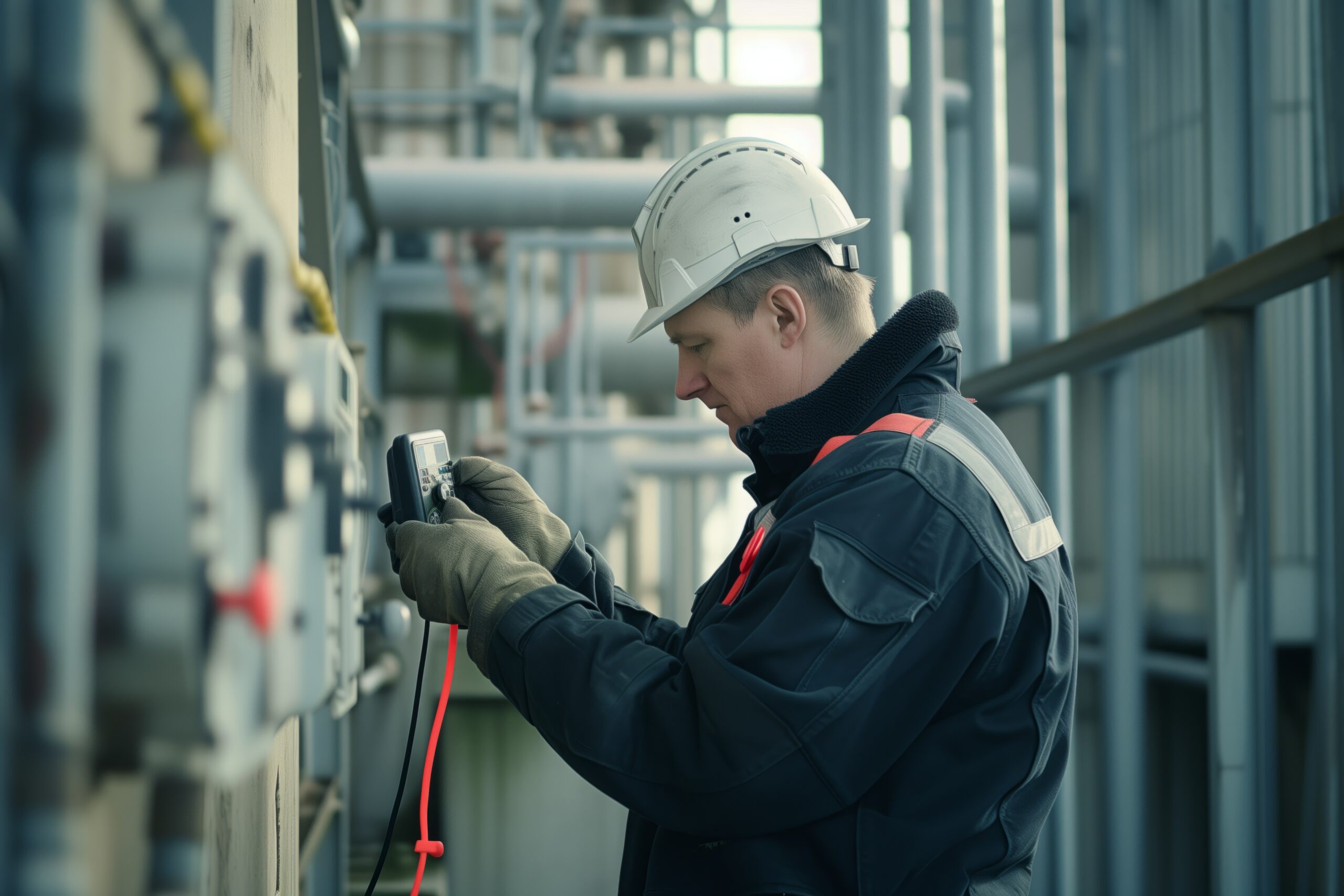
Some hazards shout; gases whisper. A silent leak can turn a routine task into a life-threatening situation in minutes, often without any visible warning. That’s why a well-chosen, well-placed, and well-maintained gas detection program backed by trained people isn’t optional. It’s essential.
Can You Trust Your Senses Around Gas Hazards?
Relying on smell or sight is a gamble you don’t want to take. Odor fatigue, masking agents, and gas behavior make sensory checks unreliable, especially with gases like hydrogen sulfide that can overwhelm your sense of smell at dangerous levels. Atmospheres also shift quickly; ventilation changes, small leaks, or process upsets can flip a “safe” environment into a dangerous one between readings.
How to Choose the Right Gas Detector
Select detectors based on known and credible potential hazards, and match sensor technology to the conditions and task. Use the quick guide below to align tools with risk:
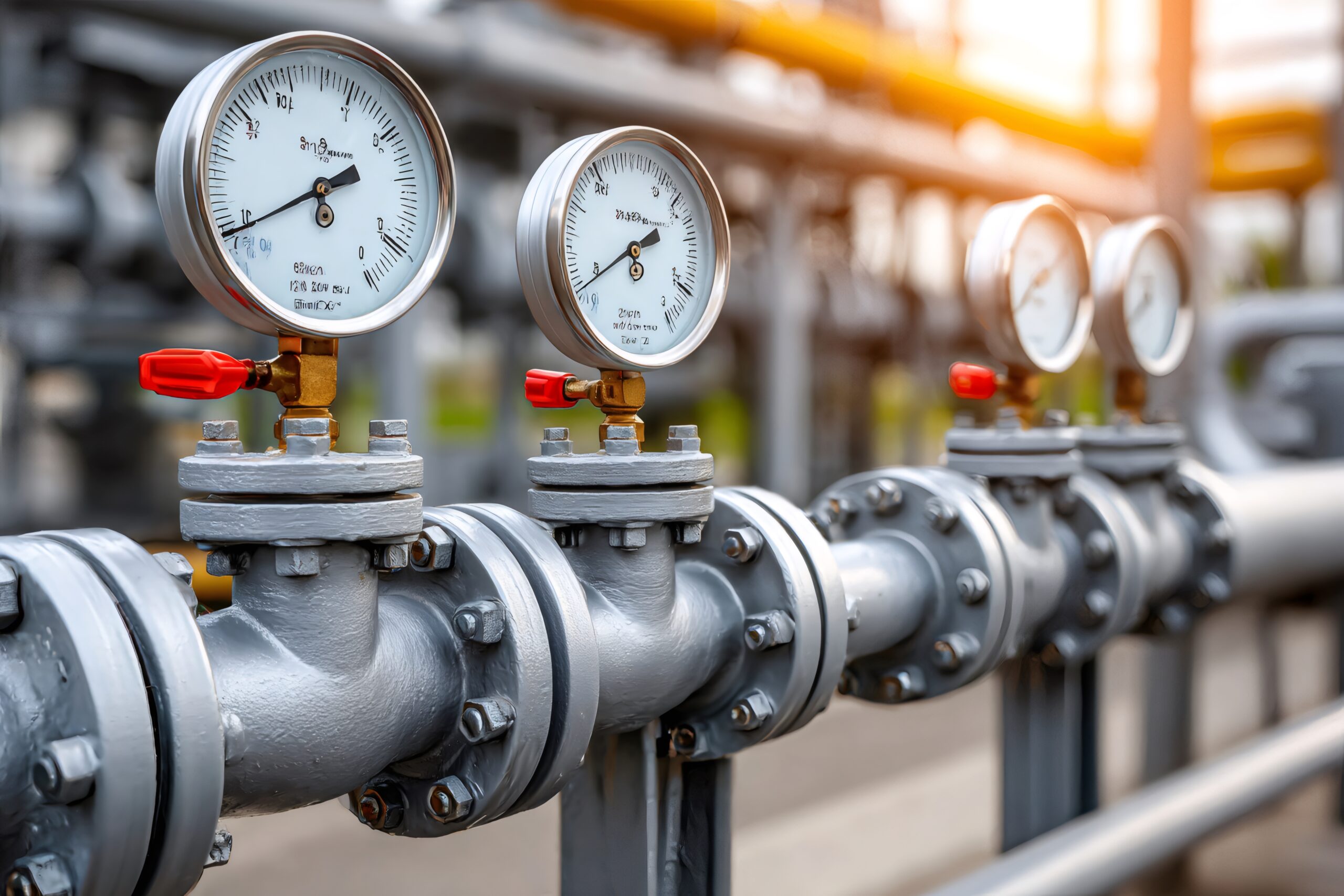
- Handheld testers: simple on-the-spot checks where power or electronics aren’t practical.
- Electrochemical sensors: ideal for toxic gases such as carbon monoxide and hydrogen sulfide.
- Oxygen sensors: verify safe oxygen levels and identify deficiency or enrichment.
- Catalytic bead sensors: detect combustible gases near explosive limits; require oxygen and can be poisoned.
- Infrared (IR) sensors: strong pick for combustible gases in low-oxygen or dusty environments; resistant to some poisons.
- Photoionization detectors (PIDs): highly sensitive to VOCs and harmful vapors at very low concentrations.
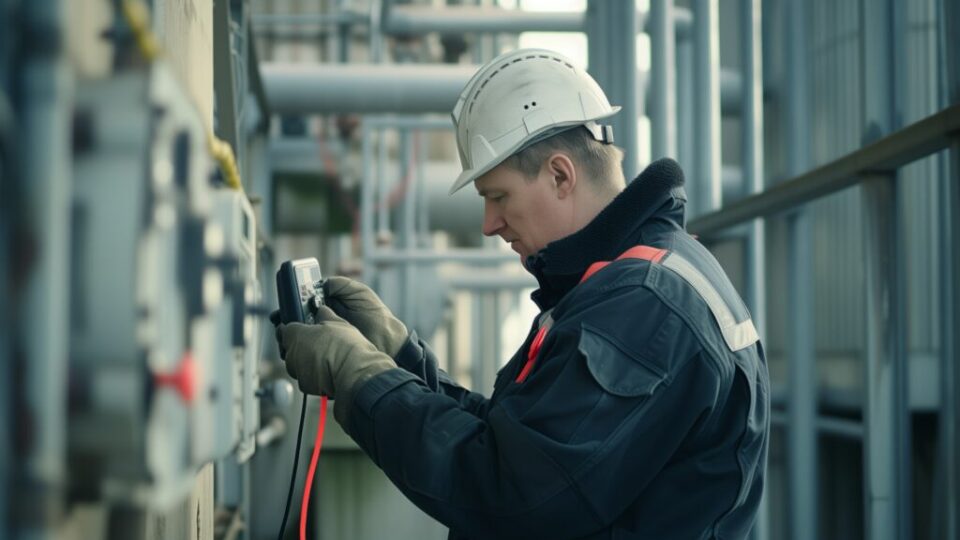
- Fixed, area, and personal monitors: build layered coverage, continuous area protection plus individual worker monitoring.
Placement and Sampling Strategy That Works
Where you test matters as much as what you test with. Gas behavior varies by density and movement patterns:
- Heavier gases tend to collect in low areas, pits, and confined spaces; lighter gases can stratify high.
- Sample at likely accumulation points and across elevations when you’re unsure of the gas mix.
- Combine pre-entry checks with continuous breathing-zone monitoring, and place area/fixed monitors near process equipment and potential leak points.
- Use redundancy, personal plus area/fixed coverage to catch rapid changes.
Keep Instruments Honest: Bump Tests and Calibration
A detector that isn’t verified is a detector you can’t trust.
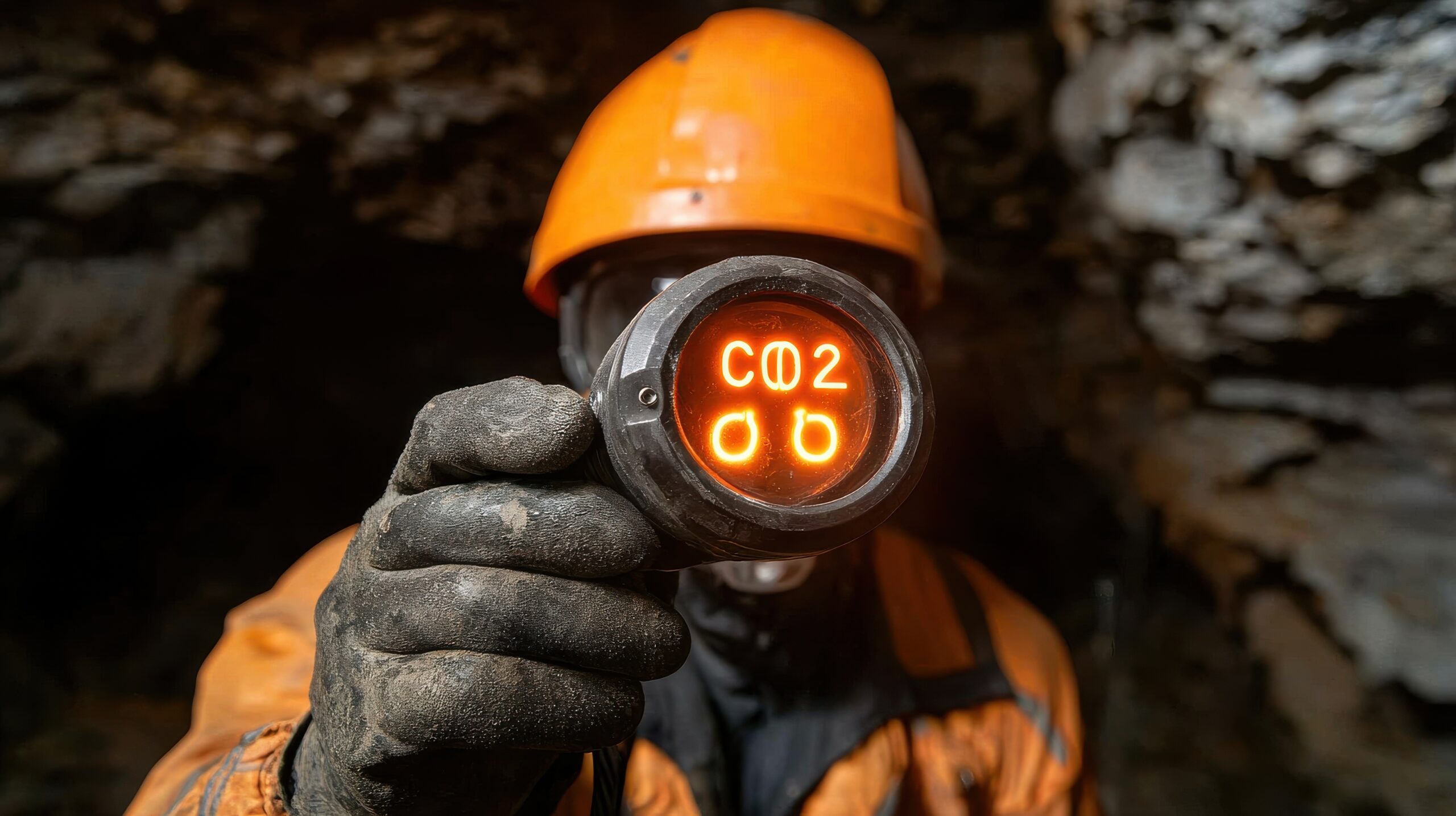
- Bump test: a quick function check to confirm sensor response and alarms before use.
- Calibration: adjust the instrument against known gas concentrations to restore accuracy after drift, contamination, or aging.
- Maintenance program: schedule zeroing, bump tests, calibration, battery and filter changes; ensure alarms are active and audible; never use expired test gas.
- Recordkeeping: document tests and calibration to prove compliance and ensure reliability.
Training: The Difference Between Data and Decisions
Detectors provide readings; trained workers make the right moves. Competent users understand sensor limits, sampling methods, cross-sensitivities, alarm setpoints, and emergency actions. Supervisors should reinforce correct habits with clear procedures, drills, refresher training, and routine checks so instruments are worn, charged, tested, and respected.
Ready to Elevate Your Gas Safety Program?
BIS Safety Software provides online gas detection training designed for real worksites. Courses cover gas behavior, detector selection and placement, zeroing, bump tests, calibration, and alarm response so teams can recognize hazards early and act decisively. Build capability, reduce risk, and keep your workforce safe with practical, accessible training that fits your schedule.