
LOTO in Canada: Making Energy Control a Daily Discipline
Lock out tag out (LOTO) protocols are a foundational element of occupational health and safety across Canada. These practices safeguard workers by ensuring machinery remains shut down and secured during servicing. Whether you’re working in mining, construction, manufacturing, or utilities, LOTO procedures protect teams from hazardous energy like electricity, pressure, steam, and kinetic motion.
Across the country, provincial regulations support and mirror federal LOTO requirements. From Alberta’s OHS Code to Ontario’s Health and Safety Act, one message is clear: energy control saves lives.
Understanding Lock Out Tag Out Systems
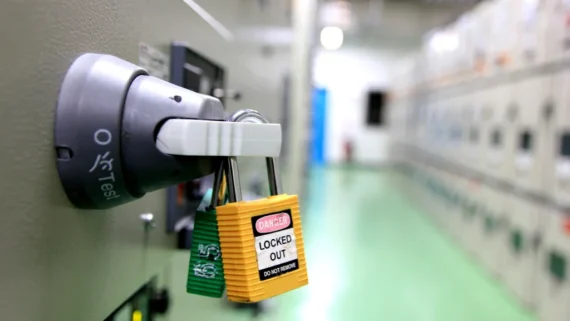
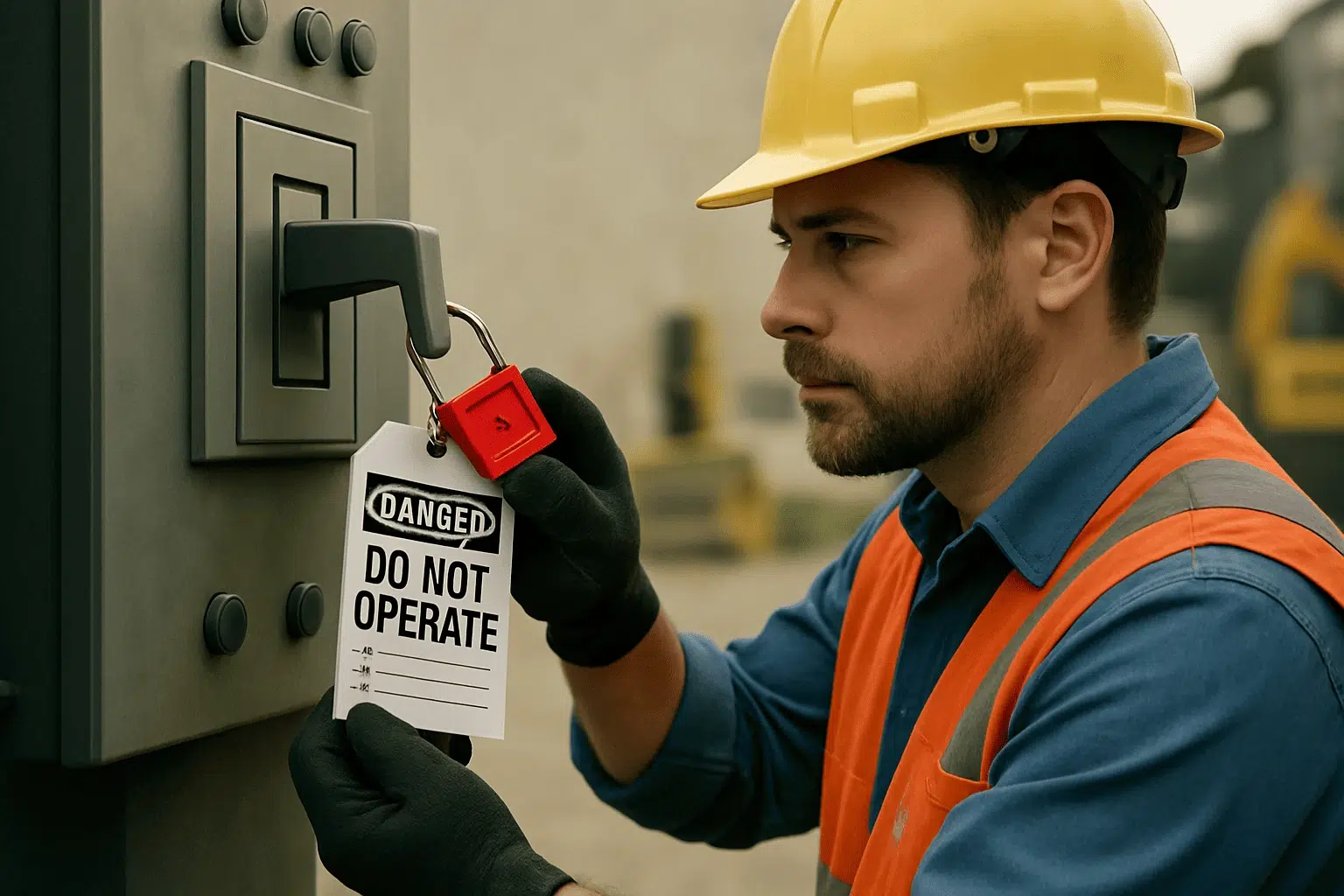
At its core, lock out tag out means one thing: safety through control. A lock physically stops energy flow. A tag communicates danger and identifies the person responsible for the lock. Together, they keep everyone aware and protected.
LOTO prevents:
- Unintended equipment activation
- Contact with live wires or stored energy
- Confusion about work in progress
“One lock and one tag can mean the difference between a close call and a tragedy.” — OHS Manager, Alberta Manufacturing Plant
Six Essential Stages of LOTO Application
- Assess and notify: Identify energy sources and let team members know.
- Shut off systems: Power down using appropriate manufacturer methods.
- Isolate energy sources: Disconnect or block power, fluid, or motion.
- Lock and tag: Secure the area with visible devices and personal tags.
- Discharge residual energy: Bleed pressure, release springs, and vent lines.
- Verify deactivation: Test the system to confirm it’s safe to work on.
Locks and tags must only be removed by the person who installed them, preventing premature reactivation.
LOTO Use Cases in Canadian Industries
- An Ontario technician locks out robotic equipment before recalibrating sensors.
- Alberta oilfield workers isolate pressurized lines during valve maintenance.
- BC hydroelectric staff apply lock and tag systems before working on turbines.

People Also Ask:
Why is LOTO important in Canada?
It’s critical for controlling hazardous energy and required by law in most provinces.
What regulation governs LOTO in Canada?
It varies, but most provinces follow CSA Z460 guidelines or have similar OHS legislation.
Who should use LOTO procedures?
Authorized, trained individuals in roles that involve servicing equipment.
Are group lockouts allowed?
Yes. Group lockout boxes are commonly used during team-based maintenance.
LOTO: A Routine Worth Repeating
The strongest safety cultures treat LOTO as habit—not hassle. This mindset encourages personal responsibility and protects coworkers from harm. Lock out tag out should be as routine as wearing PPE or conducting a safety briefing.
Training, reminders, and strict protocols help normalize LOTO use in Canadian operations. Because in the end, safety is never optional.