Pausing Work: The Smart Choice for Safer Sites

In high-risk environments, the urge to push forward can put people at serious risk. Whether it’s a tight schedule or the drive to get the job done, hazards don’t wait and neither should you.
Choosing to pause isn’t slowing down. It’s a statement that safety always comes first.
1. Hazards Demand Immediate Action
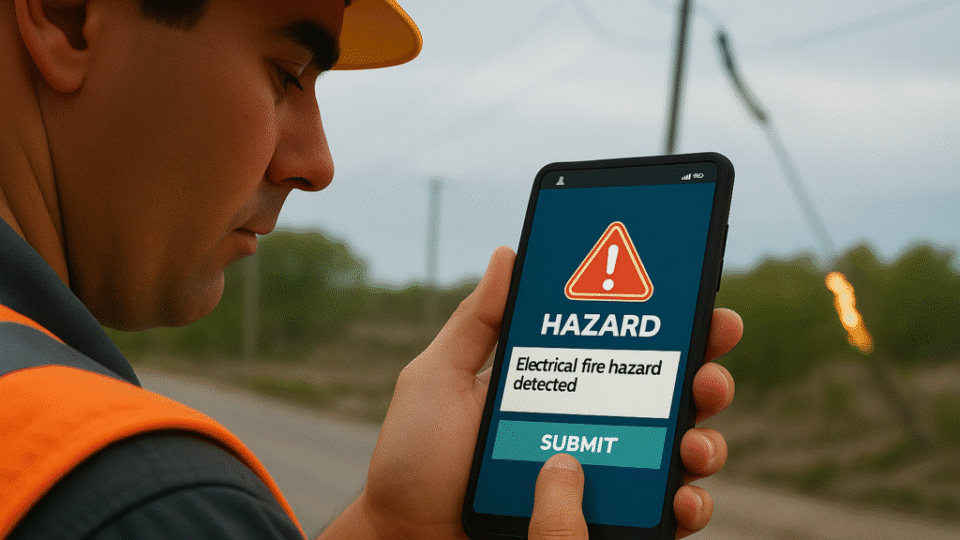
With digital hazard identification tools, workers can flag risks instantly. That matters only if they also have the authority to act:
- Pausing eliminates exposure to active dangers
- Gives supervisors a window to respond properly
- Safeguards the whole team
The danger lies in hesitation, not in stopping.
2. Fosters a Culture of Confidence and Respect
Allowing workers to pause without fear builds a stronger safety culture:
- Shows that management prioritizes well-being over speed
- Encourages frontline leadership
- Removes the fear of speaking up
Pausing becomes part of the job, not a disruption.
3. Prevents Incidents Through Timely Action
Serious incidents often come with warning signs. When teams act the moment they see them:
- Near misses turn into lessons learned
- Risks are addressed before they escalate
- The incident curve stays flat
Quick action equals better prevention.

4. Safety Leadership for Everyone
Anyone can lead when safety is at stake:
- A first-year worker flagging a loose load
- A skilled tradesperson noting outdated PPE
- A site lead insisting on proper signage
When safety belongs to everyone, so does the power to act.
5. Building Knowledge from Every Pause
Every stop is an opportunity to learn. With the right follow-up:
- Hazards get recorded and classified
- Root causes are identified and fixed
- Patterns across sites are recognized
These lessons help prevent the next hazard before it happens.
6. Technology That Strengthens Every Pause
Mobile hazard reporting apps and digital FLHA tools make safety pauses more effective:
- Alerts are sent instantly to safety staff
- Evidence is time-stamped
- Evidence is time-stamped
Tech not only supports the pause, it reinforces it.

Conclusion:
Pausing work when hazards appear isn’t just a smart choice, it’s the right one. It shows that safety isn’t paperwork, it’s action. And sometimes, the most productive move is to stop.
Each pause is a moment of leadership, a choice that prioritizes people over deadlines and builds a stronger safety culture for everyone on site.