Real-Time Safety Reporting: A Shift That Changes Everything

On any active jobsite, risks can appear in seconds. If hazard reports take hours, or days, your response is already too late. Real-time safety reporting brings speed, clarity, and accountability to the moment hazards are discovered.
When you capture risk data as it happens, you’re no longer reacting, you’re preventing.
1. Delayed Reports Risk Delayed Action
Paper-based systems and manual inputs leave too much room for delay:
- Reports written long after an incident
- Details forgotten or skipped
- Follow-ups lost in a backlog
Compare that with a real-time system where:
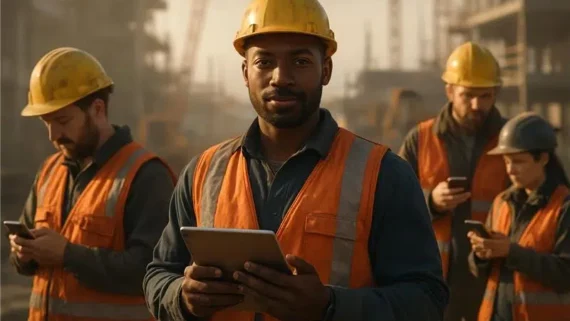
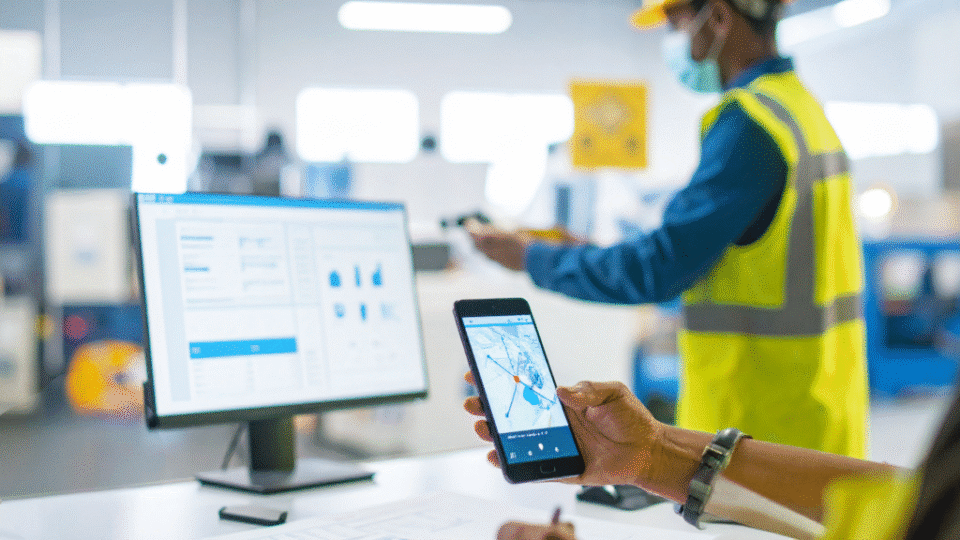
- Workers report risks from their phones
- Locations and media are logged instantly
- Leaders are alerted as soon as a high-risk situation appears
It’s the kind of visibility you need to stay ahead of the next incident.
2. Reporting That Doesn’t Slow You Down
When reporting is easy, it gets done more often. Field-ready digital tools make it simple:
- User-friendly mobile apps
- Pre-loaded forms based on your site and trade
- Offline capabilities that sync automatically
No delays. No barriers. Just quick reporting that fits into the work, not around it.
3. Supervisors See the Big Picture, Right Away
Supervisors can’t fix what they don’t know about. Real-time safety reporting offers:
- Notifications for critical risks
- Photos and voice notes from the field
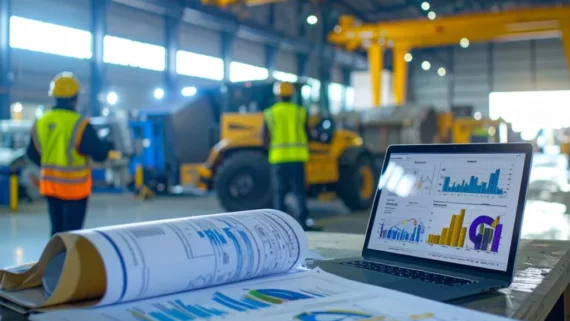
- Dashboards to spot trends and assign action fast
This helps leaders prioritize and protect their crews more effectively.

4. Real-Time Inputs = Reliable Trends
The faster your system captures data, the more accurate it is. That gives safety teams the power to:
- Identify repeat risks as they emerge
- Adjust staffing or plans before issues escalate
- Build a fact-based approach to controls
It’s smarter safety planning, built on real-world insights.
5. Compliance Is Built In
Forget binders and filing cabinets. With real-time safety reporting:
- Every entry is time- and date-stamped
- Reports are searchable and trackable
- Audits take minutes, not days
No scrambling. Just organized, accessible data when you need it.
6. Safety Culture Grows When Workers Are Heard
Workers report more when they know it makes a difference. A real-time system can:
- Notify them when their report is resolved
- Credit them during toolbox talks
- Encourage more engagement over time
It builds trust and that builds better safety habits.

Final Thought: Reporting in the Moment Saves Lives
Hazards won’t wait for paperwork. If your safety tools only log risks at the end of the day, you’re already behind. Real-time safety reporting brings field insights straight into your safety decisions, when it counts most.
Don’t wait. Start reporting in the moment.