
Scaffold Safety Training: Preventing Falls and Costly Errors

Scaffolds support nearly every project done at height, from construction to painting. They provide reach, balance, and efficiency. But here’s the truth: scaffolds leave no room for error. A shaky base or skipped inspection can instantly turn routine work into disaster.
Scaffolding accidents remain a leading cause of workplace injuries. The encouraging part? Nearly all are preventable. The solution isn’t luck, it’s knowledge, preparation, and proper training.
Our scaffold safety training course is designed to be practical and worker-focused. It prepares crews to stay safe, avoid incidents, and feel confident on the job. Before anyone climbs, there are fundamentals that every team needs to understand.
Pick the Right Equipment from the Start
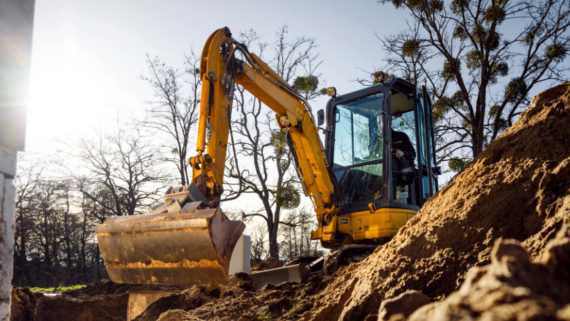
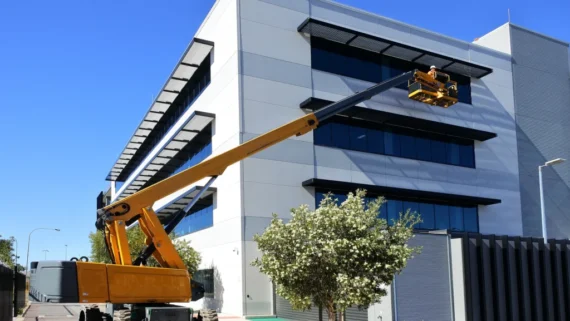
Safe scaffolding begins with choosing the correct equipment. Ladders, MEWPs, and scaffolds all have specific uses, but mixing them up can create unnecessary danger. Scaffolds are best for longer projects, jobs with several workers, or tasks requiring steady platforms.
Once you’ve confirmed a scaffold is the right choice, select the type that fits the work, mobile, supported, or suspended. Each one is designed for different conditions.
The wrong choice doesn’t just waste time, it creates hazards. For example, overloading a ladder or using the wrong scaffold type can lead to collapse or serious injury.
Key Action: Consider height, duration, weight limits, and mobility before starting. Always match the tool to the task.
Inspections and Tags: Start Safe Every Shift
Scaffold stability can change overnight due to weather, ground shifts, or wear and tear. That’s why inspections aren’t optional, they’re essential. A competent worker must check every piece, from baseplates to guardrails, at the start of each shift.
After inspection, tags tell you the scaffold’s status:
- Green: Safe to use
- Yellow: Use with caution, hazards noted
- Red: Off-limits until corrected
- Missing or expired: Treat it as red, unsafe to use
Key Action: Treat daily checklists as mandatory. Record, sign, and date them every shift. Yesterday’s approval doesn’t guarantee today’s safety.
Proper Use is Non-Negotiable
Scaffolds are engineered to be stable, but only if used as designed. Guardrails, toe boards, and secured ladders are not extras, they are life-saving requirements. Skipping one puts workers at risk of serious injury.
Before stepping up, check:
- Is the scaffold level and locked in place?
- Are guardrails, ladders, and toe boards secure?
- Is the platform clear of snow, ice, or debris?
With mobile scaffolds, always lock wheels before climbing. Never move one while someone is on top. Maintain three points of contact at all times.
Key Action: No improvising. Use scaffolds as intended, secure everything, and follow safe climbing practices every time.

Stay Aware: Conditions Can Change Anytime
Scaffold safety isn’t something you tick off once, it’s an ongoing responsibility. Weather, shifting loads, and small changes can quickly compromise stability.
PPE like hard hats, hi-vis, and fall protection are critical, but awareness is your strongest defence. Keep checking your environment:
- Spot loose tools, shifting loads, or weak components early
- Recheck guardrails and toe boards throughout the day
- Watch for complacency, it’s a hazard on its own
- Adjust work as weather changes
When something feels off, stop immediately. Tag it, report it, and address it. That pause keeps projects on track without risking lives.
Key Action: Stay alert throughout the shift. Speak up and act quickly when hazards appear.
Elevate Your Team’s Safety Knowledge
Our scaffold safety training doesn’t just meet compliance, it builds real skills. Workers learn how to apply safe practices step by step, so safety becomes a habit, not a checklist.
From apprentices to experienced tradespeople, this training equips crews to climb with confidence and keep projects moving safely.
Take the course, prove your knowledge, and protect your team. Because one preventable fall is one too many.