
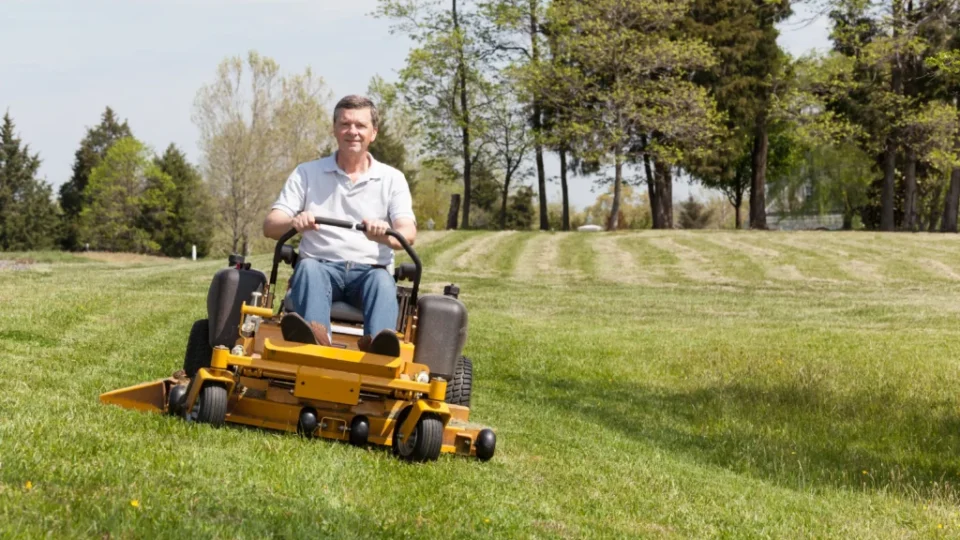
Spring Readiness: Essential Lawnmower Safety Steps for Your Crew
As soon as spring arrives, mowers roar back to life often faster than the conversations about safety. Grass grows quickly, but so do the risks. Whether it’s a municipal crew, a landscaping team, or a golf course preparing for peak season, mowers return as necessary tools that also carry serious hazard potential.
Before anyone makes that first pass across the turf, one question sets the tone for the season: Are your teams truly prepared to work safely?
BIS Safety Training’s Lawnmower Safety Training helps workers and supervisors bring order, awareness, and consistent safety habits to a job many people assume is “simple.” The course sharpens decision-making, reinforces hazard controls, and builds confidence long before the busy season kicks into full gear.
Because when the task feels routine, that’s when risk sneaks in.
1. Spring Prep: Start With a Thorough Inspection
Months of cold weather can quietly damage equipment. Frozen components, worn belts, rust, or stale fuel can all create hazards if they go unnoticed. Quality training teaches operators to perform methodical inspections before a single blade spins.
Visual and functional checks inspecting for leaks, damaged parts, loose hardware, or faulty shut-off features act as the first line of defence. Each inspection reduces risk, prevents breakdowns, and protects workers long before the mower touches the lawn.
2. Use the Right Equipment for the Conditions
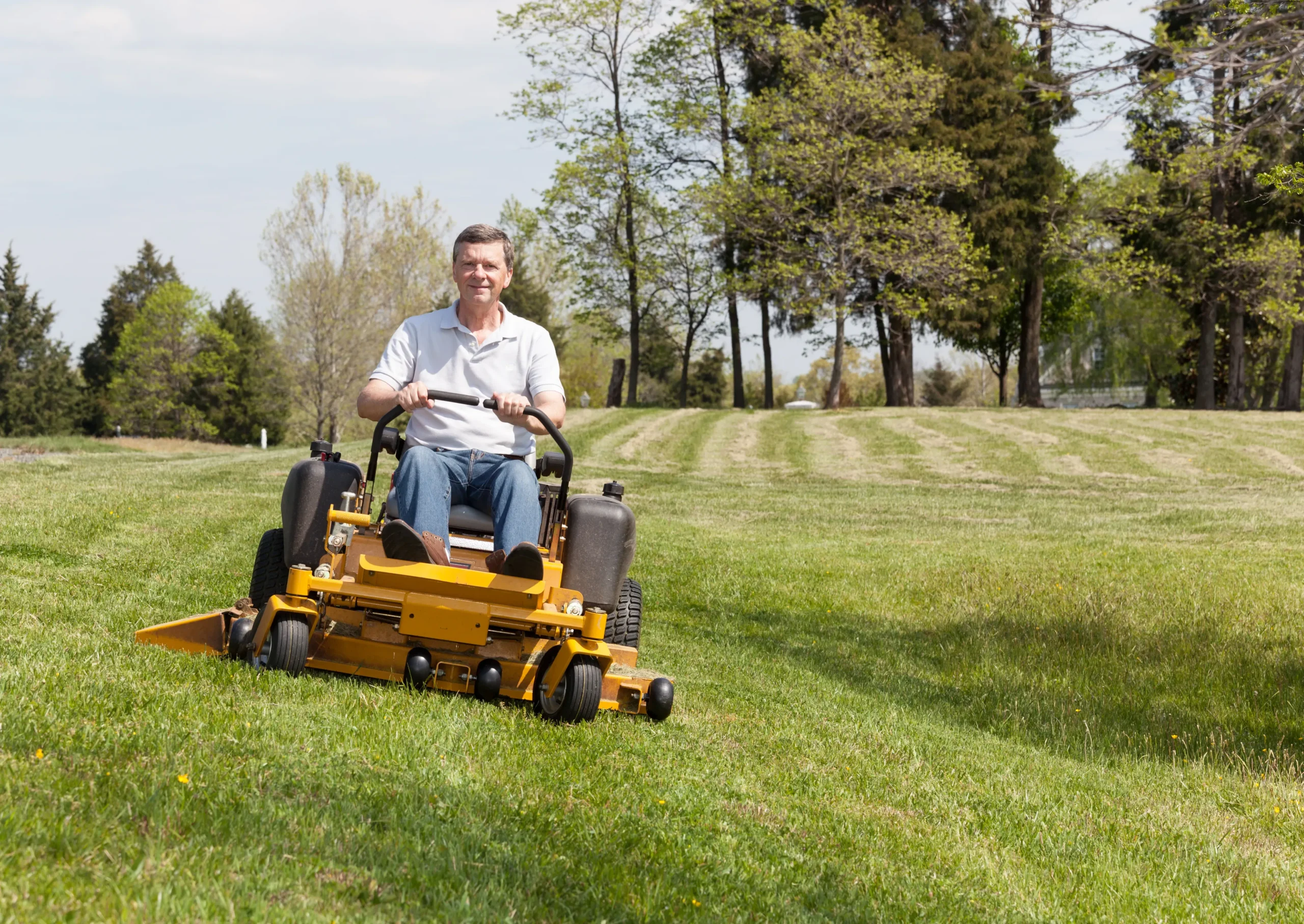
Spring mowing isn’t one-size-fits-all. Wet patches, uneven ground, and shifting weather patterns demand different equipment choices. Walk-behind units require steady control, while ride-on mowers rely more on balance, maneuvering, and stability.
Training helps operators evaluate site conditions and match the mower to the task improving efficiency and lowering the chance of incidents.
3. Dress for the Task and the Forecast
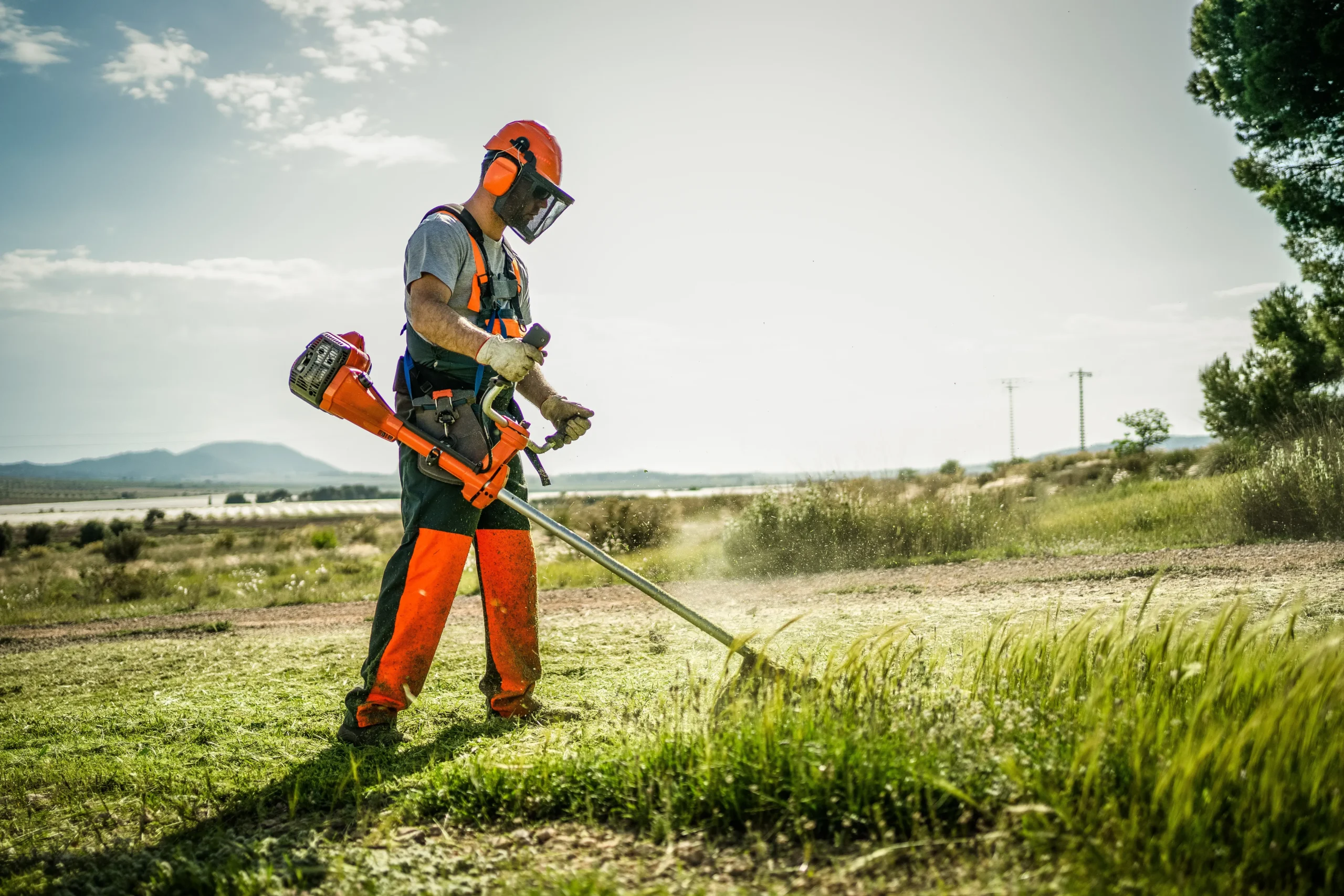
Canadian spring weather can flip from chill to heat in a single shift. Good training encourages operators to adjust their PPE to the environment, whether that means hearing and eye protection, moisture-wicking clothing, or sun-resistant layers.
Heat stress and smoke exposure have become more common seasonal concerns. Workers learn to monitor the Air Quality Health Index (AQHI), recognize early symptoms of fatigue, and modify their work-rest schedules before conditions become unsafe.
4. Safe Loading, Transport, and Stability
With crews moving between parks, neighbourhoods, and worksites, transporting mowers safely is just as important as running them. Training emphasizes ramp positioning, secure tie-downs, and proper weight distribution.
By understanding how slopes, angles, and traction affect stability, operators can anticipate tipping points and avoid rollover scenarios altogether.
5. Outdoor Hazards: Look Beyond the Grass
Spring may look calm, but hidden dangers often sit just out of sight. Saturated soil can hide dips, tall grass can conceal debris, and sudden storms or heavy winds can quickly shift conditions.
The course teaches participants how to assess weather-related hazards and apply controls such as:
- Choosing alternate mowing paths on slippery or uneven areas
- Identifying safe distances around water features or drop-offs
- Establishing wind or lightning response plans
- Tracking wildfire smoke or air quality changes across regions
This isn’t theory, it’s real-world preparation for outdoor environments that change by the hour.

6. Emergencies: Fast Response Saves Lives
Even with strong prevention strategies, emergencies can still occur. Training equips crews to respond quickly and calmly to critical situations such as rollovers, blade injuries, or fuel-related fires.
Workers learn to secure the area, call for help, and take action without escalating risk. Clear thinking during chaotic moments is a skill, one that saves lives and protects the entire crew.
Why Seasonal Training Matters
Spring signals a reset: equipment comes out of winter storage, new hires join the crew, and productivity demands rise sharply. That’s exactly why safety habits need to be reinforced early.
By investing in Online Lawnmower Safety Training, employers ensure workers follow consistent safety procedures across shifting environments. Supervisors also gain improved awareness, allowing them to evaluate work quality through a safety-first lens rather than speed alone.
This is how a resilient safety culture grows through awareness, good judgment, and practiced habits.
Make This Mowing Season Your Safest One Yet
Before your team rolls out the equipment this spring, set them up with the knowledge that keeps them confident and protected. Our online Lawnmower Operator Safety Training gives outdoor workers the tools they need to assess hazards, operate equipment responsibly, and adapt to changing conditions throughout the season.
Because a well-cut lawn is never worth the cost of someone getting hurt.