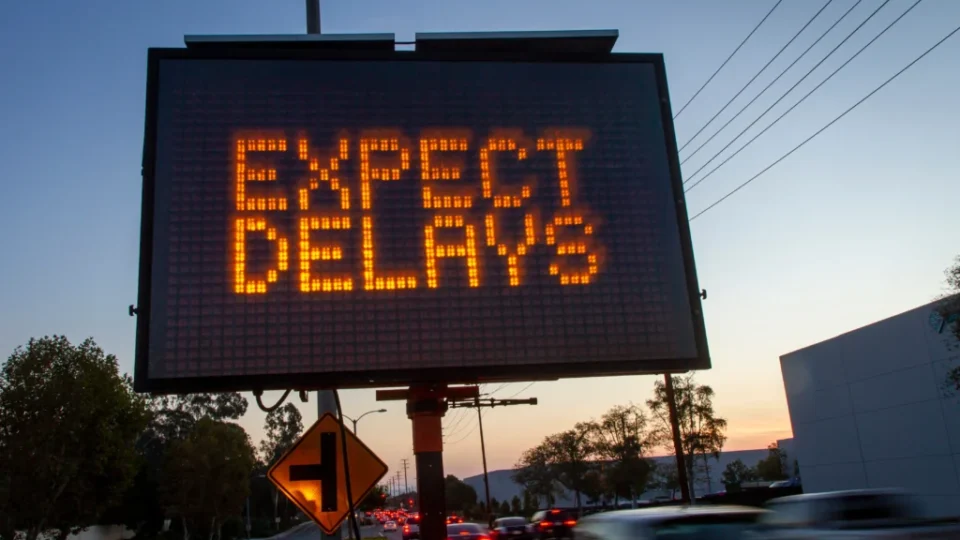
Traffic control: Where Safety Meets Motion
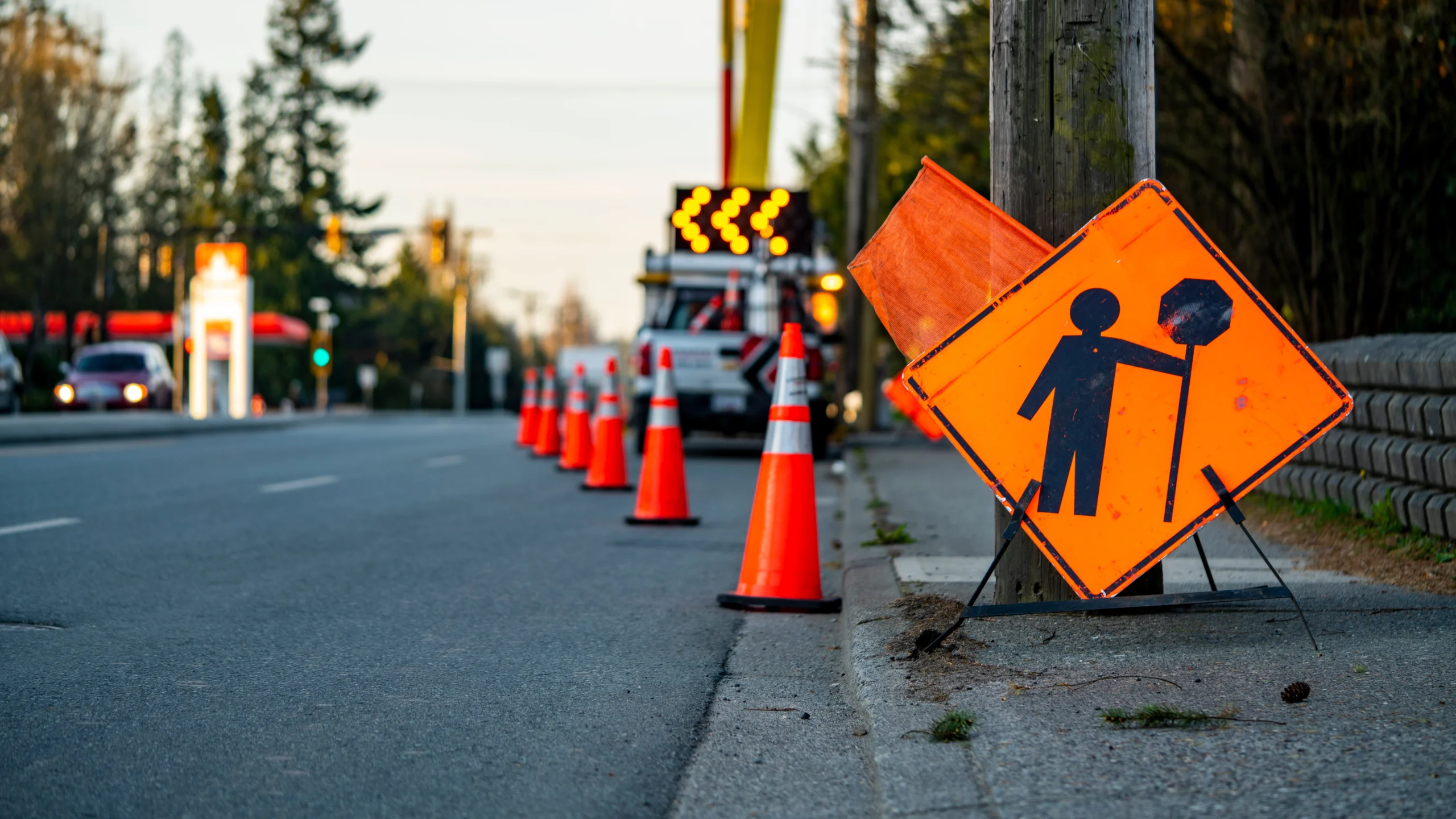
Work zones are live environments where machines, people, and vehicles operating inches apart. The discipline that keeps that choreography from turning chaotic is traffic control. Done well, it reduces uncertainty, creates working room for crews and equipment, and guides road users safely through temporary changes so everyone finishes the day intact.
The Human Element Behind Every Stop Sign
Plans set direction, but people deliver outcomes. Traffic Control Persons (TCPs/flaggers) form the living connection between moving traffic and active work areas, making judgment calls that prevent close calls from becoming crashes. Strong TCPs continuously:
- Read road and site conditions
- Anticipate driver behavior
- Apply and adjust controls to match changing risks
A gust of snow, a sudden downpour, or one distracted driver can flip the risk profile in seconds. Anticipation and fast response are essential. Equally vital is demeanor: steady, courteous communication lowers tension and sustains authority without escalation, turning clarity and composure into safety tools.
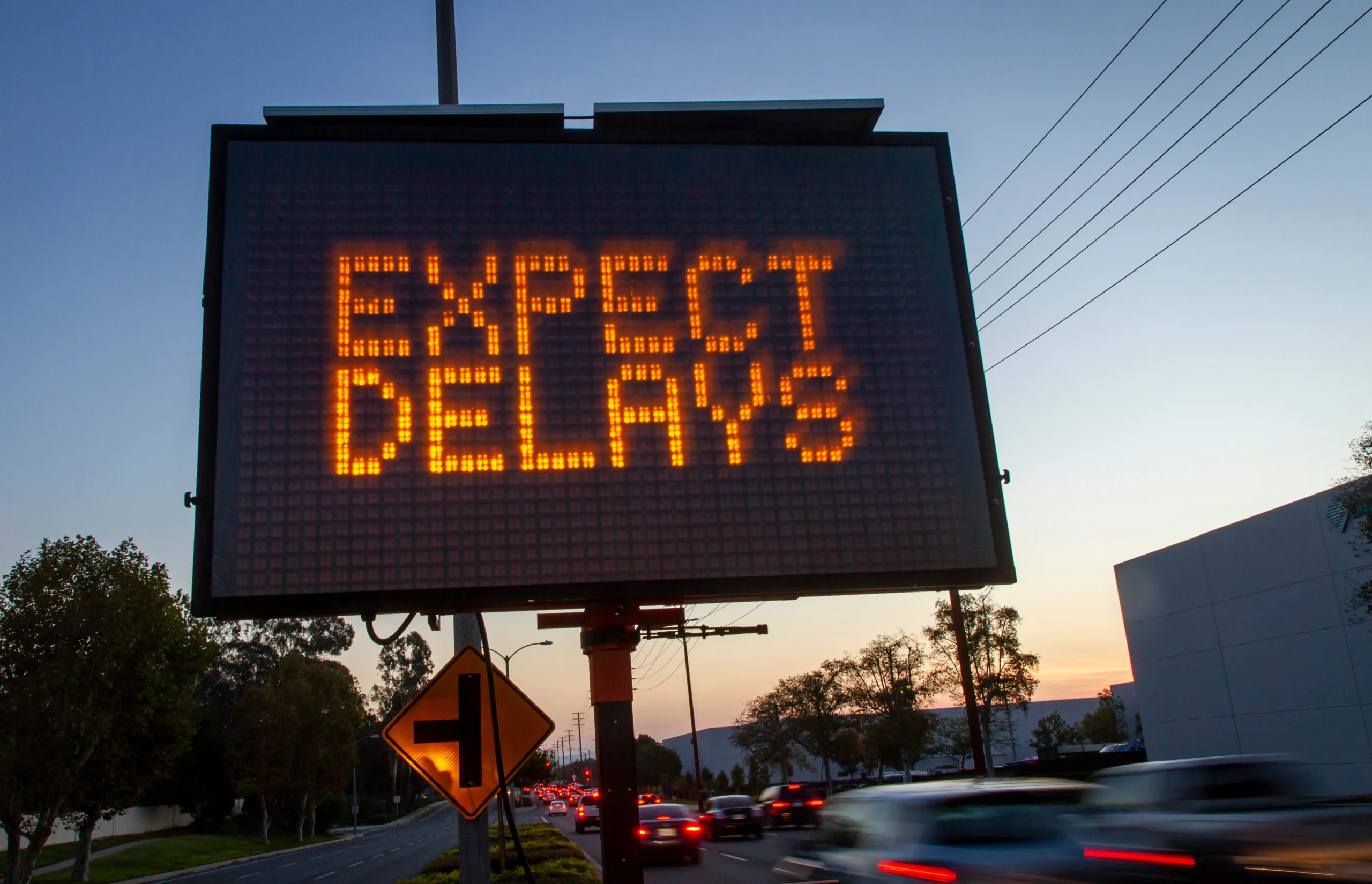
Communication That Closes the Loop
Safety hinges on information that’s transmitted, confirmed, and acted on. Reliable two-way radios, shared call signs, and consistent terminology keep crews synchronized. Positive communication — acknowledging every message — prevents assumptions, aligns traffic direction, and enables instant adjustments. Visual signals, air horns, and whistles provide redundancy if electronics fail, ensuring the system still speaks when tech goes quiet.
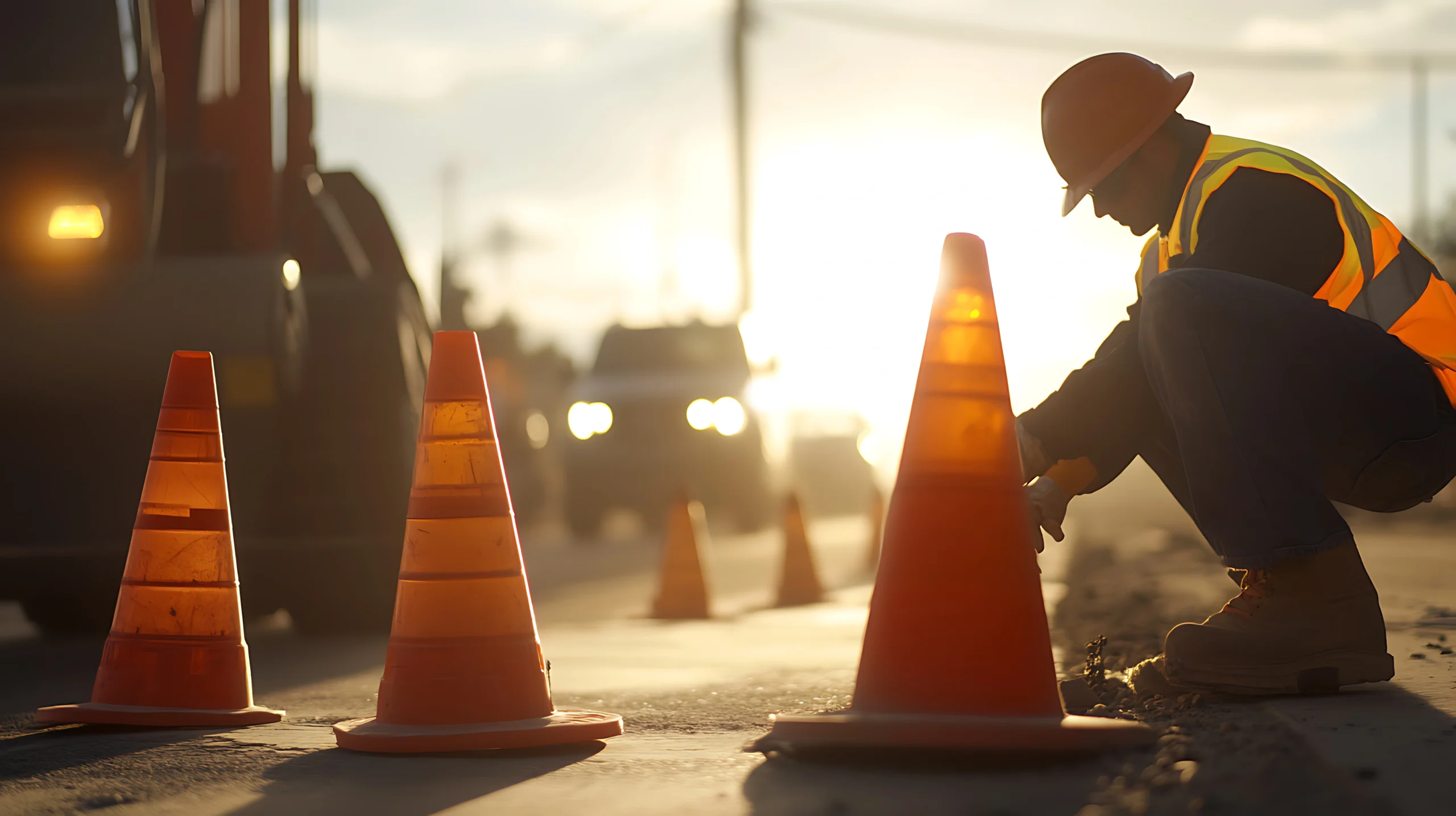
Designing Safer Corridors by Intent
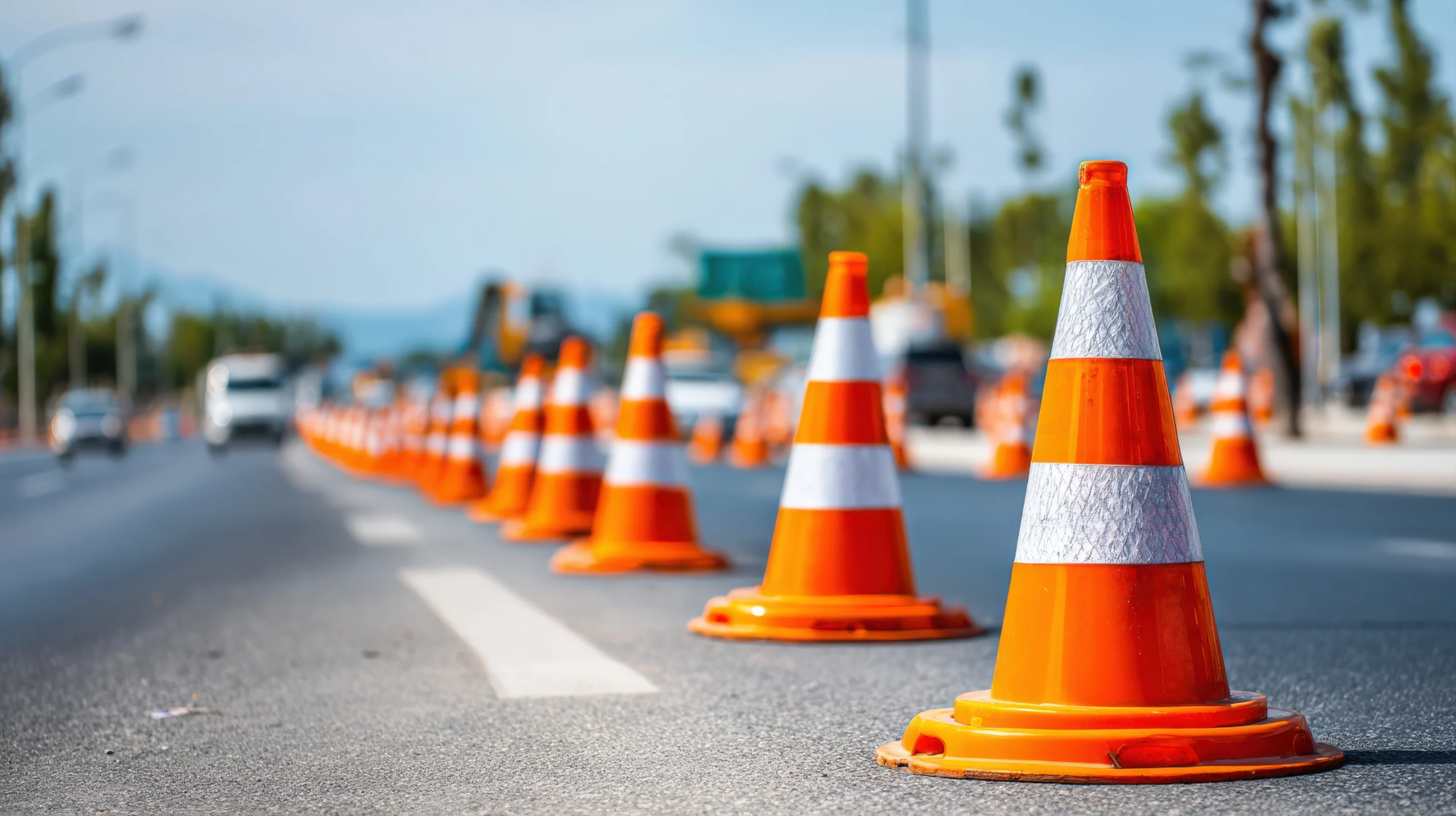
Every cone line and lane shift originates from a Traffic Control Plan tailored to the site. Thoughtful layouts define how vehicles merge, where cushions exist, and how workers remain conspicuous. Zones are purpose-built:
- Advance warning
- Transition
- Buffer
- Work
- Termination
Each segment reduces surprise for drivers and adds predictability to movements. Because conditions evolve, teams must reassess and revise layouts, sign spacing, and comms patterns throughout the shift — traffic control is dynamic by design, not “set and forget.”
Visibility Is Protection
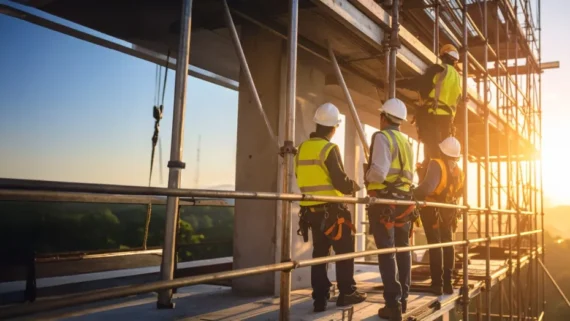
Visibility is a protective layer. Across Canada, TCPs wear high-visibility apparel, CSA-approved boots, hard hats, and eye protection suited to roadway tasks. Retroreflective garments extend detection distance so drivers recognize and react sooner, while reflective helmets and coveralls preserve conspicuity at dawn, dusk, and nighttime. The simple truth: if motorists see you earlier, they can choose safely.
When Innovation Meets the Road
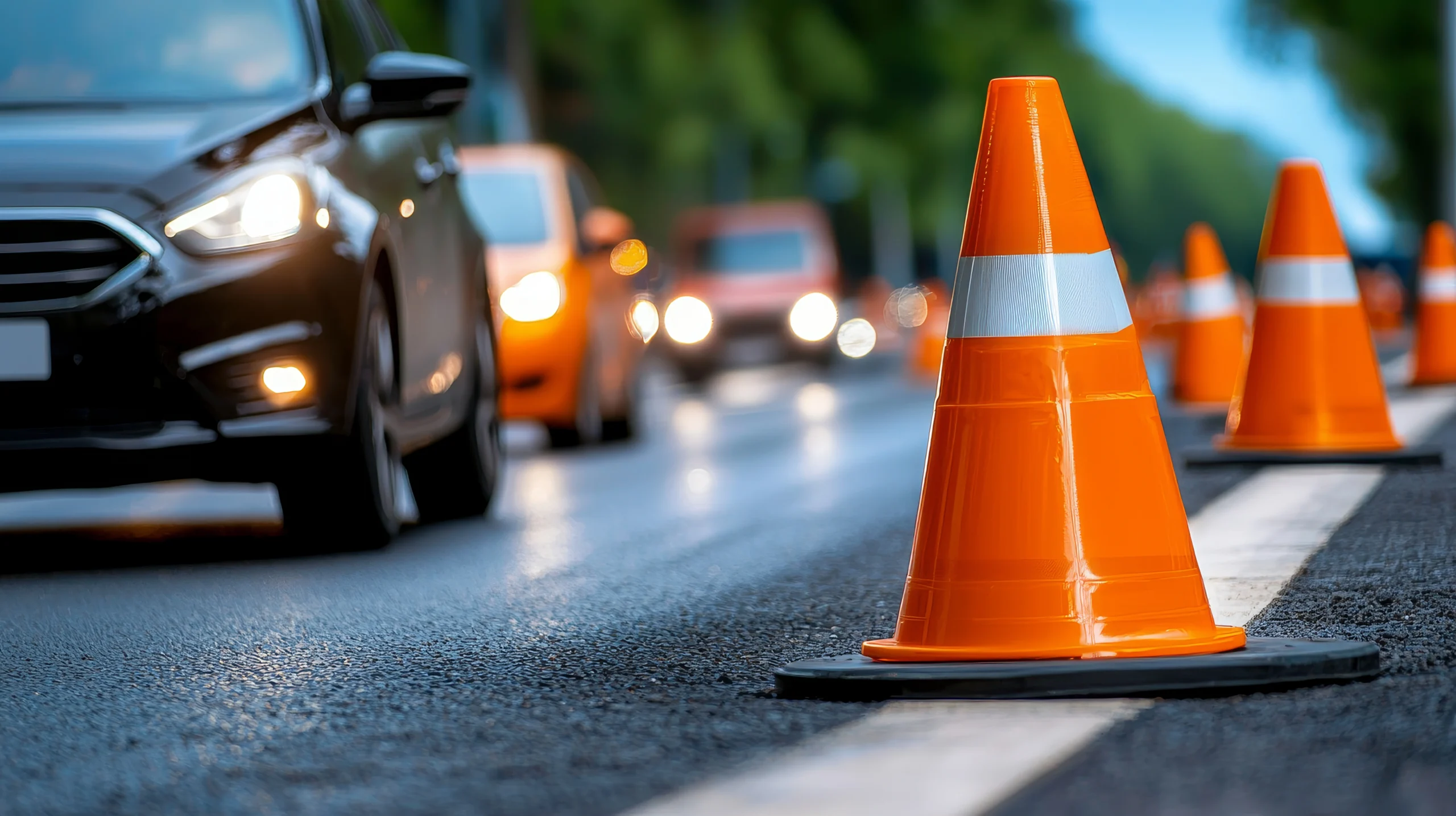
New tools are redefining exposure. Automated Flagger Assist Devices (AFADs) let trained personnel operate stop/slow controls from a safer position, using LED indicators, mechanical arms, and radio links — often with solar power for reliability. These systems don’t replace human judgment; they extend it, adding precise, repeatable signals that complement on-site decision-making. Progress comes from collaboration — regulators, makers, and field crews iterating toward fewer risks and clearer guidance.
Safety Is a Shared Effort
Employers must provide competent training, fit-for-purpose equipment, and oversight. TCPs must stay vigilant, prepared, and professional. Drivers must slow, follow directions, and respect temporary space as shared space. Each cone, sign, and paddle is a promise: every road user and every worker deserves a safe trip home.
Raising the Bar for 2025 Work Zones
A safety program proves itself when people can apply what they know under pressure. Our Traffic Control for 2025 and Beyond course equips crews to implement recognized best practices, spot hazards early, and run complex setups with precision and professionalism. One zone at a time, turn temporary traffic control into lasting safety.