Winter Worksites: How to Stop Same‑Level Slips, Trips, and Falls
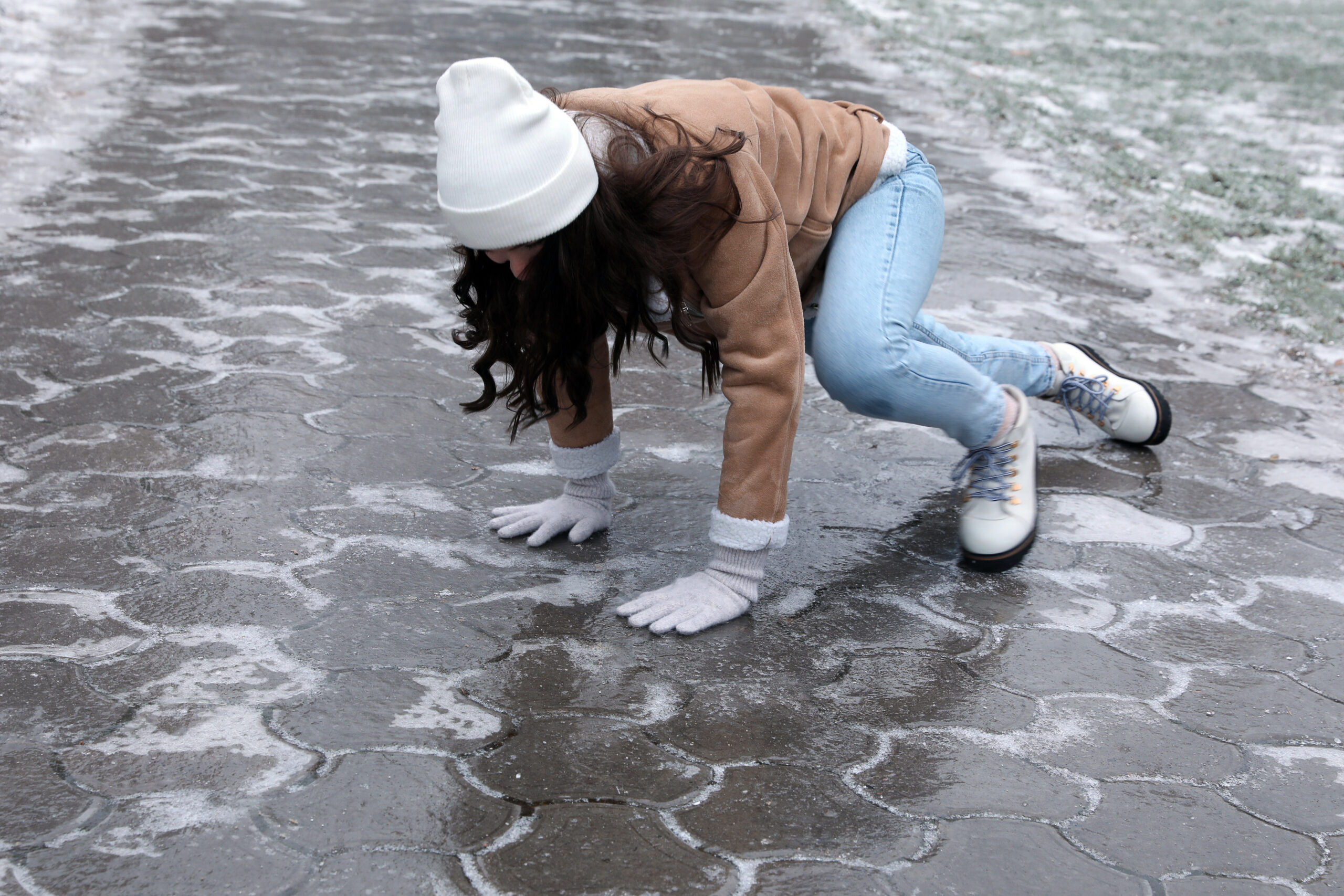
Falls from heights get attention, but they’re not the whole story. Most workplace falls happen at the same level, on floors, sidewalks, stairs, and lots. Winter multiplies those risks with ice, meltwater, and darkness. A single missed patch of black ice can mean sprains, fractures, or lost time. Preparation before the first storm is the smartest move.
Why winter raises STFL risk
- Icy build-up on steps, ramps, docks, and pedestrian routes.
- Snow and slush tracked indoors, saturating mats and tile.
- Freeze-thaw damage that creates lips, holes, and uneven joints.
- Reduced visibility at dawn, dusk, and poorly lit areas.
Sitewide prevention that works
Engage the people who walk the routes every day. Encourage real-time reporting and empower quick fixes. Add scheduled supervisor walk-throughs to validate controls and close gaps.
High-impact actions
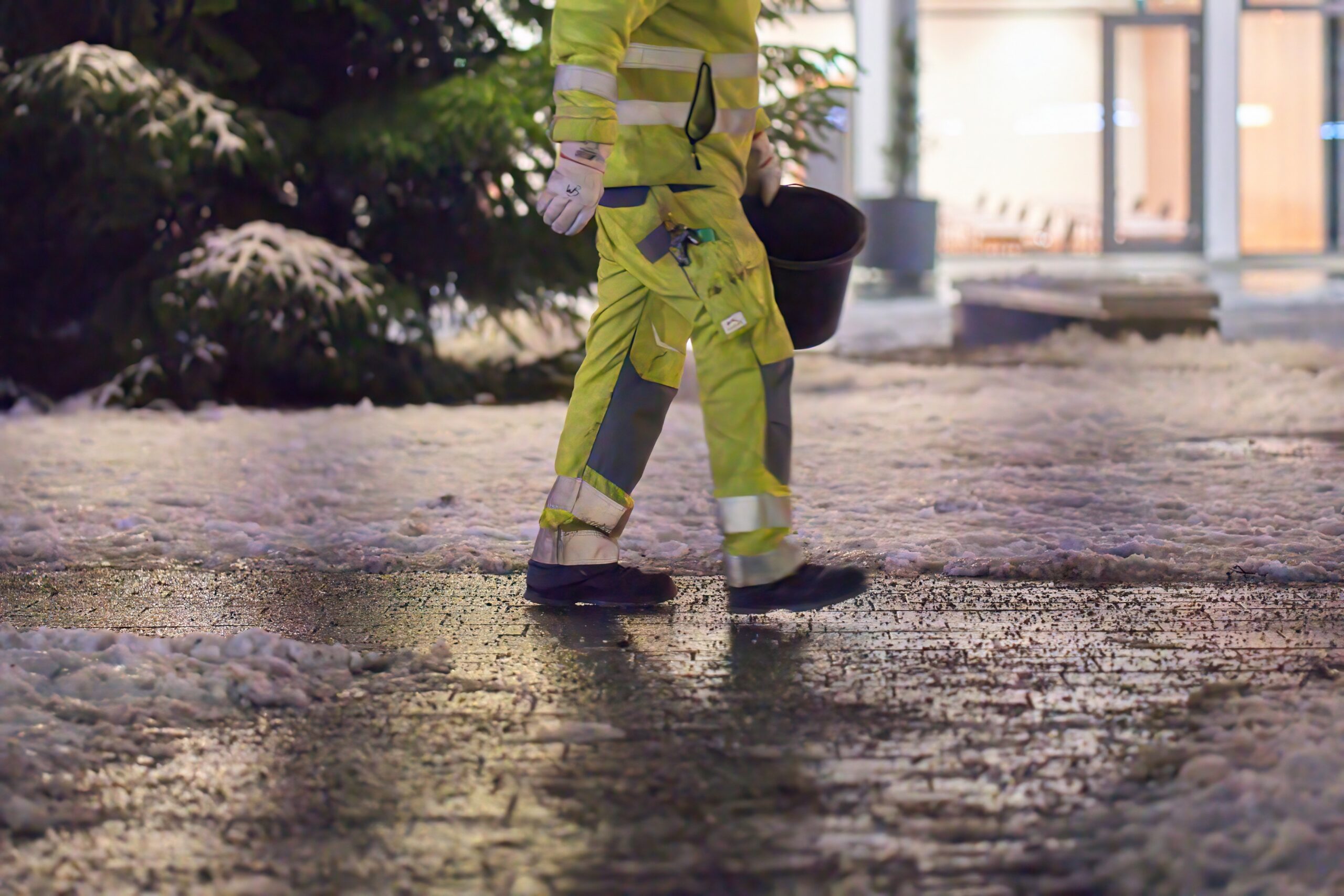
- Traction management: Place bins of ice melt at key doors; define application routes and responsibility by shift.
- Moisture control: Use scraper mats outside, absorbent mats inside, and set thresholds for when to replace them.
- Lighting improvements: Audit lux levels on exterior paths and stairs; target upgrades where shadows persist.
- Surface upkeep: Flag and repair trip lips, cracked concrete, loose pavers; use temporary ramps or plates until permanent work is done.
Apply the hierarchy of controls
- Eliminate: Delay nonessential outdoor trips during freezing rain and arrange indoor staging to reduce back-and-forth.
- Substitute: Choose covered routes or interior corridors where available.
- Engineering: Add handrails, anti-slip nosing, canopy drip edges, heated mats, and door awnings.
- Administrative: Increase inspection frequency during storms; deploy signage; set mat change and floor-cleaning cadences.
- PPE: Provide winter-rated, slip-resistant footwear and traction aids, with guidance on when to use each.
Mobile and outdoor teams
For crews moving between sites, standardize a quick “conditions check” on arrival, use shorter shuffling steps on ice, and keep hands free for balance, no stuffed pockets. Require traction aids when forecasts call for persistent ice. Train on safe vehicle entry/exit and clearing steps before use.
Training turns awareness into action
Knowledge reduces hesitation. Teach workers how to assess conditions, choose routes, adjust gait, and report hazards. Supervisors should model desired behaviors, document fixes, and close the loop with the reporting employee.
Ready before the freeze
Consistent inspections, clear responsibilities, and fast maintenance keep people on their feet and operations on track. With the right plan, winter can be a productive season, not a series of preventable injuries.
Enroll your team in our Slips, Trips, and Falls Prevention course. Practical, scenario-based training helps employees spot hazards early and take the right steps every time.