
Working Alone Safely in Canada: What Every Employer and Worker Should Know

Working alone isn’t unusual, it happens every day in countless industries across Canada. A delivery driver completing a late-night route, a janitor tidying an empty building, or a store clerk closing up after hours all share one common challenge: they work without direct supervision or immediate help.
In those situations, being prepared can make all the difference. Lone worker safety isn’t about expecting the worst, it’s about having the foresight to manage risks before they lead to harm.
What Defines a Lone Worker in Canada?
A lone worker is anyone who cannot be seen or heard by others, cannot call for help quickly, or would face delays receiving assistance during an emergency.
That means the term includes far more people than just remote or industrial employees. It can apply to:
- Early childhood educators working alone in a classroom,
- Receptionists covering quiet office shifts, or
- Maintenance technicians in isolated areas.
Recognizing these situations helps employers accurately assess hazards and develop the right controls to protect anyone working alone.
Legal Responsibilities for Lone Worker Safety
While Canada has no single federal law focused solely on lone workers, the duty of care and Bill C-45 apply across all provinces and territories. These laws hold employers and leaders accountable for worker safety.
Most provinces, except Ontario and Nova Scotia, have additional requirements specific to working alone. Employers must understand these provincial differences while also following national prohibitions for example, lone work is not permitted around live electrical systems, confined spaces, or drowning hazards.
For safety professionals, that means carefully reviewing applicable laws, comparing federal and provincial standards, and creating systems that exceed the minimum requirements.
Shared Responsibilities: Building a Culture of Support
Even if an employee is physically isolated, they are never alone in responsibility. A strong lone worker program depends on collaboration and clearly defined roles:
- Employees follow safe work procedures, use communication tools correctly, and report hazards immediately.
- Supervisors verify that controls are in place, investigate incidents, and set check-in schedules.
- Managers develop and test emergency response plans, ensuring systems work as intended.
- Employers assess whether a task can safely be done alone at all.
This layered accountability ensures that every step from planning to fieldwork has safety oversight built in.

Risk Assessment: Turning Awareness into Action
Working alone can turn small hazards into serious emergencies. Without someone nearby, an injury or sudden illness becomes far more dangerous. That’s why employers must conduct thorough risk assessments, not just on paper, but in the field.
Field-level hazard assessments (FLHAs) help identify evolving risks in real time. Employers and workers should apply the hierarchy of controls to reduce these risks effectively:
- Elimination: Assign two workers to tasks that can’t be done safely alone.
- Engineering Controls: Use barriers, security glass, or emergency alarms.
- Administrative Controls: Implement written check-in policies and schedule intervals.
- PPE: Provide the right equipment, but never rely on it as the sole safeguard.
Communication: The Core of Lone Worker Protection
Communication systems are the heart of any lone worker safety plan. Workers should check in at least when changing locations, while higher-risk roles require communication every one to two hours.
A strong plan should specify:
- How often check-ins occur
- Who the primary and backup contacts are
- What devices or apps are used (phones, GPS trackers, satellite devices)
- What emergency codes and responses apply
The goal is consistency, procedures must be followed exactly as written, every time.
Adapting Safety Practices to the Workplace
Different workplaces demand different approaches:
- Remote sites need satellite or GPS-enabled devices.
- Retail environments benefit from visibility controls and limiting cash on hand.
- Home-based workers should still follow employer check-in procedures and hazard reviews.
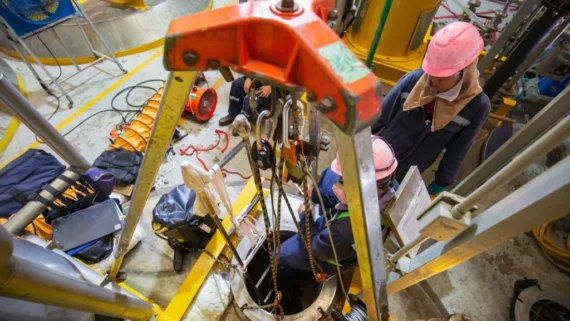
Certain high-risk tasks, such as confined space entry or work near energized equipment, can never be performed alone. Determining which activities fall into this category is part of every employer’s duty of care.

Protecting Those Who Work Alone
Working alone doesn’t have to mean facing risk in isolation. By combining proper risk assessment, strong communication plans, and a proactive safety culture, employers can meet regulatory standards while helping workers feel confident and supported.
Lone worker safety isn’t just compliance, it’s a commitment to every employee’s well-being.
Strengthen Your Lone Worker Program
Want to create a safer, smarter system for your lone workers ?
Our Working Alone in Canada training course gives safety leaders, managers, and employees the knowledge and tools to identify hazards, apply controls, and maintain reliable communication, no matter where the job takes them.