This 90-minute OSHA-compliant aerial lift training covers safe boom and scissor lift operation, stability, inspections, and hazard prevention.

Analyzing Biological Hazards
What is Analyzing Biological Hazards?
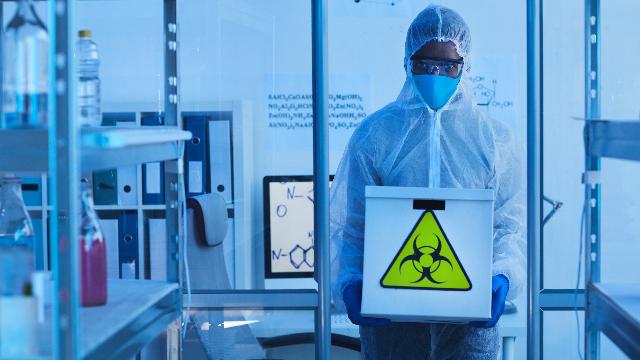
Safe laboratory work starts with understanding the biological risks present in research settings. This course gives learners a clear overview of common biological hazards, how exposure can occur, and the protective measures that help prevent contamination. Participants will learn to spot biohazardous materials, follow essential safety practices, and support a safer, more compliant lab environment.
Course Overview
Working safely in research and academic laboratories requires awareness of potential biological hazards. Analyzing Hazards: Biological Safety Awareness Training helps participants recognize biological risks, understand how they can affect health, and apply protective measures to minimize exposure.
The course explains the types of biological agents commonly encountered in lab environments and highlights the safeguards in place to prevent contamination and infection. By the end of the program, learners will be better equipped to identify biohazardous materials, follow proper safety protocols, and maintain a compliant and safe workspace.
Topic Overview
Biological hazards can include bacteria, viruses, fungi, and other microorganisms capable of causing illness or contamination. Understanding how to handle these materials safely is essential in laboratory and research settings. This training provides foundational knowledge that supports a strong safety culture and compliance with institutional biosafety standards.
Course Topics
- Biological Hazards: Identify potential risks associated with biohazardous materials.
- Common Biological Agents: Review typical pathogens found in research environments.
- Exposure Prevention: Learn safe work practices and controls to reduce exposure risks.
Course Duration
This online course takes approximately 10 minutes to complete. Learners can start, pause, and resume the course at their own pace.
Pass Mark
A minimum score of 80% is required to receive a certificate of completion. Participants may repeat the course up to two times if the pass mark is not achieved on the first attempt.
Certificate of Completion
Upon successful completion, learners can download and print a digital certificate of completion. This certificate verifies awareness of biological hazards and safe laboratory practices.
Course Preview

Get Your Recognized Leadership for Safety Excellence Certificate Today!
Get Your Recognized Leadership for Safety Excellence Certificate Today!
Get your Weights and Dimensions Certificate in as little as 90 minutes!