Learn about employee rights and employer obligations for jury duty, military, and family leave in this 20-minute online compliance training.

Confined Space - Awareness Training (OSHA)
What is Confined Space – Awareness Training (OSHA)?
Confined spaces present unique hazards that can turn routine tasks into serious emergencies. The Confined Space Safety Training course equips workers with the knowledge to identify confined spaces, understand entry procedures, and use essential equipment safely. Participants learn how to conduct atmospheric testing, manage permits, recognize common hazards, and understand the roles of entrants, attendants, and rescue teams. Designed to satisfy OSHA classroom requirements, this training provides a solid foundation for operating confidently and safely in a wide range of confined space environments.
Course Overview
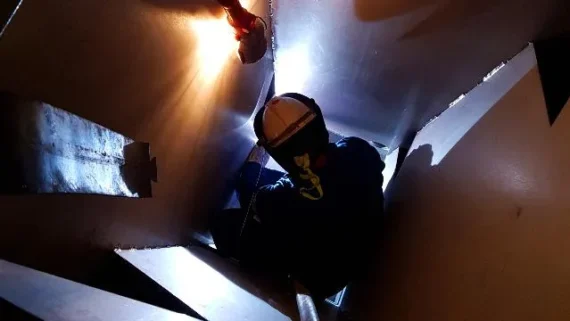
Confined spaces exist in nearly every industry, and no two are exactly alike. Grain silos, tunnels, sewers, cargo tanks, vaults, crawl spaces, trenches, culverts, cellars, and even certain rooms within ordinary buildings can all meet the definition of a confined space. These environments often present unique risks—limited entry and exit, hazardous atmospheres, engulfment dangers, and restricted movement—that require specialized knowledge and preparation.
This Confined Space Safety Training course focuses on general safety principles and equips learners with the foundational skills needed to recognize confined spaces, understand safe entry procedures, and operate equipment correctly. The course explains the tools required for safe entry and exit, atmospheric testing equipment, permits, and the roles and responsibilities during confined space operations. Learners also explore common hazards and essential rescue procedures. This training satisfies OSHA’s requirements for the classroom portion of operator safety training.
Working in confined spaces requires careful planning, continuous monitoring, and strict adherence to safe work practices. Atmospheric hazards, physical obstructions, and limited escape routes can turn routine tasks into life-threatening emergencies if controls are not followed. Understanding equipment requirements, entry duties, communication protocols, and rescue procedures helps workers maintain safety for themselves and their teams. This course provides the essential knowledge needed to operate confidently in confined space environments.
Introduction
- Understand confined space definitions and characteristics
- Review common locations where confined spaces may be found
Equipment Use and Inspection
- Learn how to inspect and operate essential tools for safe entry and exit
- Review PPE, ventilation systems, retrieval devices, and monitoring equipment
Atmospheric Testing
- Understand when and how atmospheric testing must be conducted
- Learn acceptable ranges for oxygen, flammable gases, and toxic contaminants
Safe Operations and Entry Duties
- Review responsibilities of entrants, attendants, and supervisors
- Understand safe entry procedures, communication methods, and monitoring
Permits
- Learn how entry permits are completed, verified, and cancelled
- Understand what conditions require re-evaluation or re-authorization
Common Hazards
- Identify hazards such as oxygen deficiency, toxic atmospheres, entrapment, and mechanical risks
- Review prevention strategies and safe work practices
Rescue Procedures and Roles
- Understand the role of rescue teams and the limitations of untrained personnel
- Learn essential steps for planning and executing confined space rescues
This online confined space safety course takes approximately 2 hours to complete. Learners may start, pause, and resume as needed.
A minimum score of 80% is required to receive a certificate of completion. Participants may take the course up to two times if the passing mark is not achieved. Quizzes throughout the program reinforce key learning points. Upon completion, learners receive a practical evaluation checklist for employer-administered observations.
Upon successful completion of the course, learners can download and print a digital certificate of completion.

Course Preview

Get Your Recognized Leadership for Safety Excellence Certificate Today!
Get Your Recognized Leadership for Safety Excellence Certificate Today!
Get your Weights and Dimensions Certificate in as little as 90 minutes!