6S Safety: A Smarter, Safer Way to Run Canadian Workplaces
The 6S methodology takes the foundational Lean 5S system and enhances it with a crucial sixth pillar: Safety. Built around Sort, Set in Order, Shine, Standardize, Sustain, and Safety, 6S helps Canadian industrial settings—from warehouses to worksites—stay tidy, efficient, and hazard-free.
While 5S focused on productivity, 6S integrates safety into the workflow. It’s no longer just about keeping things clean—it’s about actively identifying and addressing risks as a part of the daily routine.
The Six Components of 6S
Sort (Seiri):
Clear out what’s unnecessary. Fewer items lying around means fewer tripping hazards and better emergency access.
Set in Order (Seiton):
Store items logically so workers spend less time searching—and stay safer doing it.
Shine (Seiso):
Clean frequently while inspecting tools and equipment. Spot small problems before they become major issues.
Standardize (Seiketsu):
Use visual standards and clear procedures to ensure consistency and clarity.
Sustain (Shitsuke):
Turn 6S into second nature. Regular reminders and workplace culture help keep momentum going.
Safety:
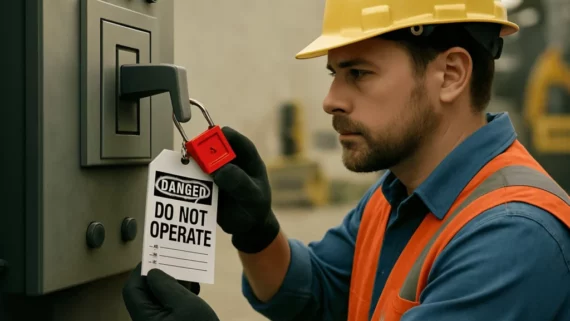
Build safety directly into each of the previous steps. Look for risks early, train proactively, and involve the crew.
Why Canadian Workplaces Need 6S
Across Canada’s industrial sectors, safety is paramount. With 6S, safety isn’t a separate checklist—it’s woven into daily operations. From boosting compliance to increasing morale, 6S offers a framework that encourages teams to take ownership of their environment and watch out for each other.
“Adding safety into our Lean process changed everything. We saw fewer injuries, faster workflows, and teams that really care about doing it right.”
— EH&S Coordinator, Calgary Manufacturing Facility
Real-Life 6S Wins in Canada
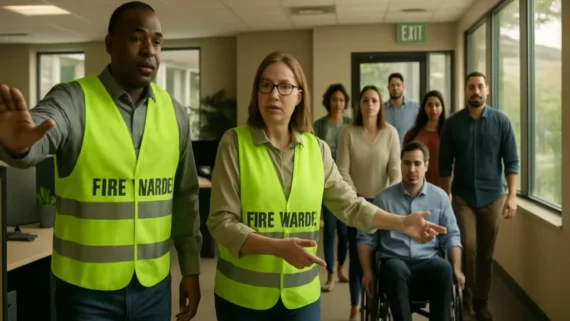
- In a Toronto warehouse, blocked emergency exits were uncovered during a Shine inspection and resolved quickly.
- On a Vancouver construction project, misplaced tools caused frequent trips—6S organization cut those incidents in half.
- At a Quebec food plant, visual standards flagged conveyor issues before they turned into safety risks.
People Also Ask:
What separates 5S from 6S?
6S builds on 5S by adding a dedicated focus on safety at every step.
Is 6S part of Lean or Six Sigma?
Yes. 6S originates from Lean principles and supports Six Sigma initiatives by promoting safer workflows.
How does 6S actually improve safety?
By integrating safety into everyday tasks, 6S minimizes risks and prevents incidents before they happen.
Where is 6S used in Canada?
Commonly in sectors like manufacturing, logistics, healthcare, and construction.
6S isn’t just about neatness—it’s about safeguarding teams while keeping workflows smooth. By adopting 6S, Canadian workplaces invest in both safety and efficiency.