The Easiest Risks to Prevent Are the Ones You See First
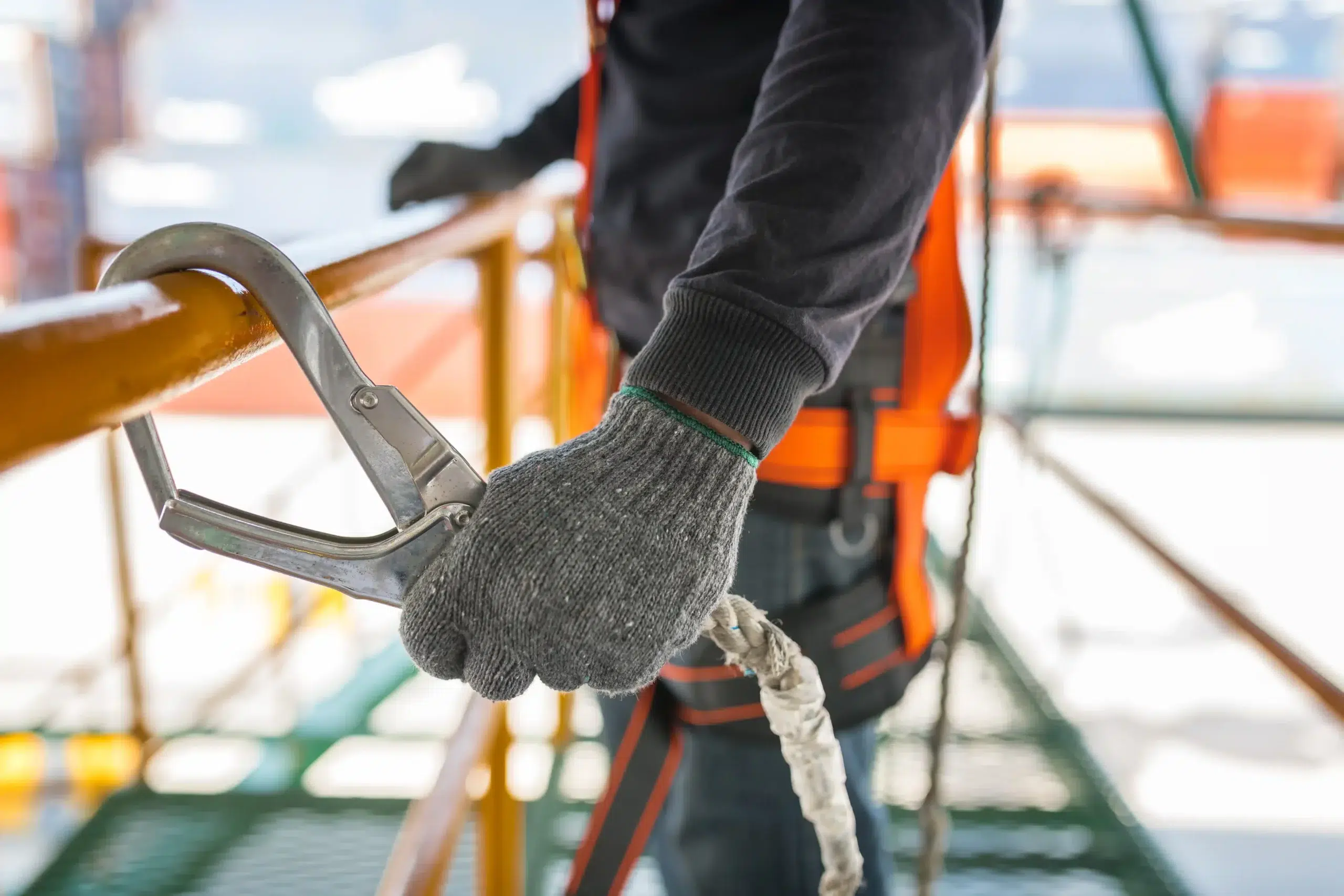
We’ve all witnessed it, a near miss, an overlooked hazard, a close call. The truth is, preventable incidents often start with something small. But with the right tools, teams can catch these early signs and act before they become injuries.
Hazard ID software does just that. It helps crews report threats instantly, turns data into insight, and creates a culture where safety comes first, not after the fact.
1. Real-Time Reporting from Any Jobsite
No more waiting until the end of shift. With mobile hazard ID tools:
- Team members can report from their phones in seconds
- They can upload images, GPS details, or audio notes
- Safety managers are alerted instantly when critical risks arise
This removes delay and connects reporting to real-time decision-making.
2. Turn Observations into Insight
Paper records don’t reveal trends. Spreadsheets miss patterns. Hazard ID software brings clarity:
- Find repeated issues across worksites or shifts
- See live dashboards with trending risks
- Sync reporting into your broader EHS system
With better data, you make better decisions and fewer mistakes.
3. Make It Easy to Speak Up
Reporting must be simple, or it won’t happen. This software is built for real-world users:
- Interfaces are clean, mobile, and easy to navigate
- Anonymous reports give confidence for sensitive topics
- Feedback loops show employees their input matters
The result? More reporting. More awareness. More prevention.

4. Close the Gap Between Reporting and Action
Identifying a risk is only the first step. What matters is what happens next:
- Tasks are routed directly to the right person
- Status updates track how things get resolved
- Notifications make sure follow-up doesn’t get missed
The system builds follow-through into every report.
5. Build a Safety-First Culture
Good culture doesn’t just appear, it’s shaped by habits and tools:
- Daily prompts encourage consistent hazard checks
- Recognition reinforces positive reporting behaviour
- Shared insights improve training and toolbox talks
When everyone owns safety, the whole team gets stronger.

6. Keep Records that Stand Up to Scrutiny
Whether it’s an audit, a client meeting, or an inspection, documentation matters:
- Every submission is logged, timestamped, and traceable
- Reports are easy to retrieve and share
- Demonstrates diligence to regulators, insurers, and stakeholders
It builds external trust and internal confidence.
Conclusion: Empower Your Team to Prevent the Worst
Hazard ID software equips teams with the tools to catch issues early, resolve them quickly, and build a culture that puts people first.
Because safety isn’t just about avoiding citations, it’s about making sure every worker goes home safe, every single day.