Dig Smart: Why Line Marking Matters for Excavation Safety
Every time you use electricity, water, or internet services, you’re relying on buried infrastructure that powers everyday life. Underground systems like power cables, gas lines, and communication networks keep communities connected but they can also pose serious dangers during excavation.
On a worksite, one wrong dig can cause costly damage or even emergencies. That’s why line locating is required before breaking ground. It’s the first step in protecting workers, property, and essential services.
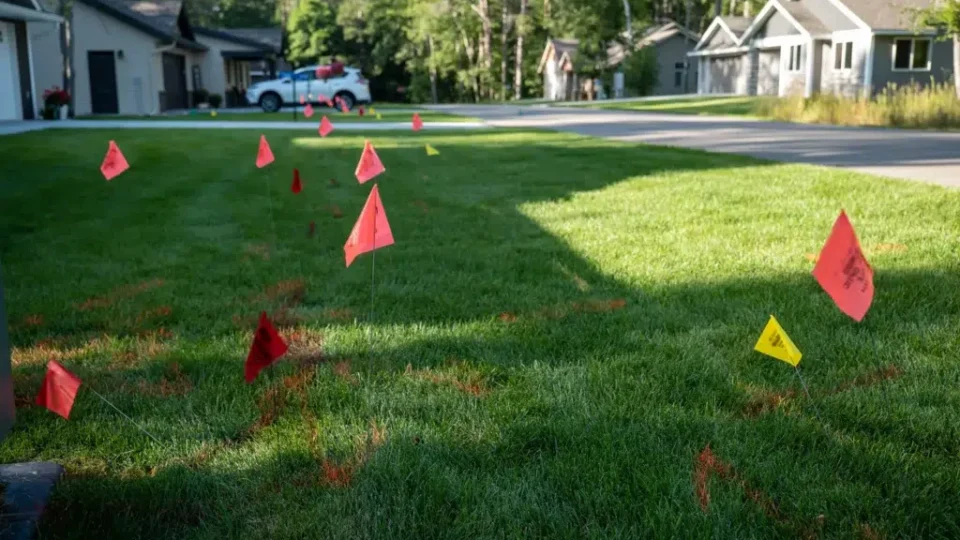
Safe digging starts with submitting a locate request. Crews can’t begin excavation until all buried lines are identified, marked, and recorded.
A proper locate provides:
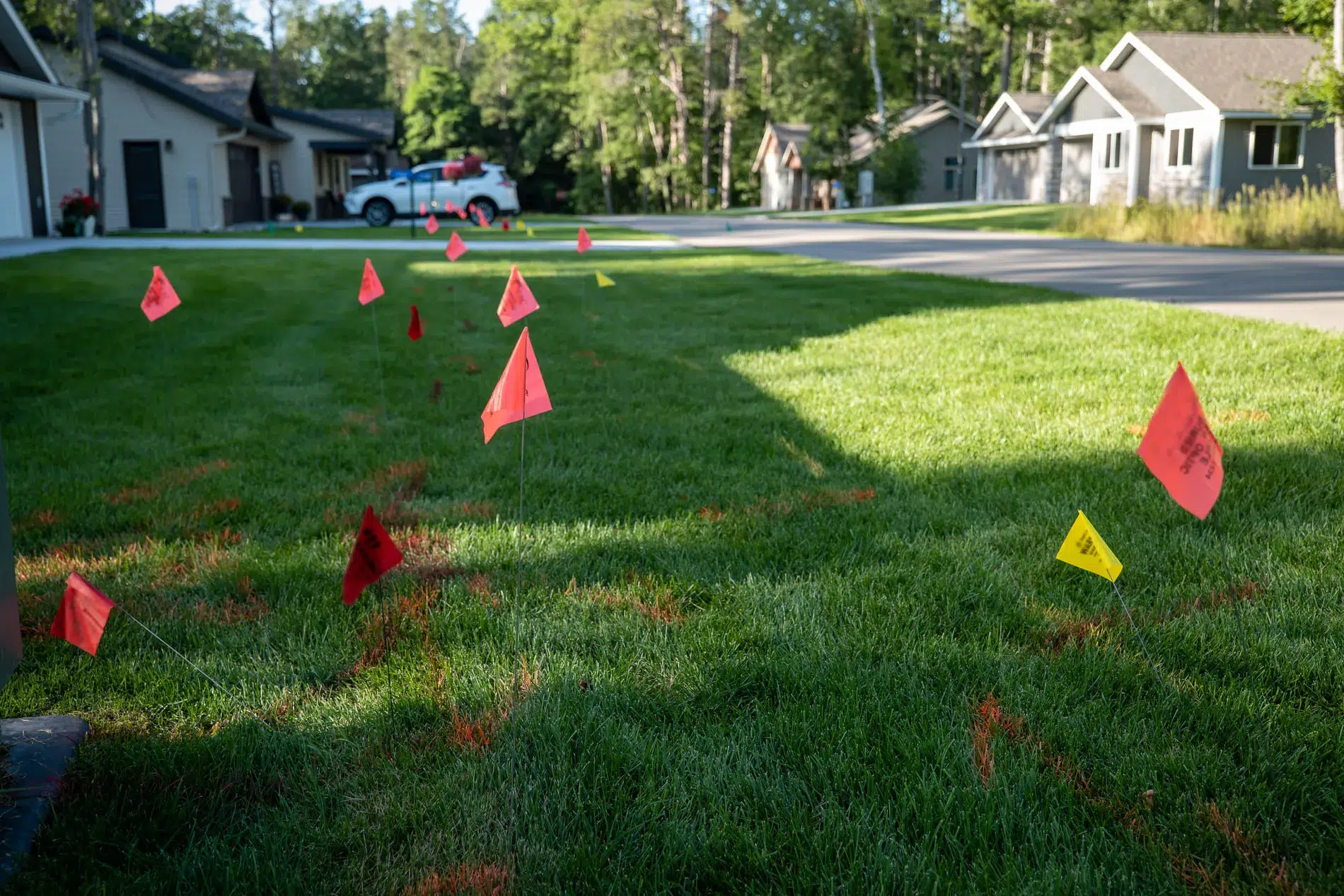
- Standardized color-coded markings to show hazards at a glance (e.g., red for electrical, yellow for gas, blue for water).
- Locate sheets that document findings, responsible parties, and expiration dates.
This ensures that every worker is operating with the same critical information.
Tools, Training, and Professional Judgment
Utility locating combines advanced detection methods with professional expertise. From passive signal detection to electromagnetic locating, technology can map underground utilities with accuracy.
But no device is perfect. Weather, surrounding infrastructure, and jobsite congestion can affect results. That’s why trained locators use judgment to verify and adapt findings, ensuring reliability. Safety isn’t just about equipment, it’s about people making informed decisions.
When Strikes or Near Misses Happen
Even with precautions, utility strikes are still possible. Hitting a buried line whether electrical, gas, or water can escalate into a crisis in moments.
If a strike occurs:
- Stop work immediately and clear the area.
- Shut down ignition sources to prevent explosions or fires.
- Alert the utility owner and emergency responders right away.
- Barricade the site until it’s declared safe.
Near misses must also be taken seriously. Contact with a line even without visible damage should be treated as an urgent safety issue to prevent future incidents.
More Than a Legal Requirement
Yes, provincial safety laws mandate utility locates, but the real value goes beyond compliance. A single strike can mean serious injuries, service outages, environmental harm, and expensive delays.
By calling before you dig, you’re:
- Protecting your crew and surrounding community.
- Preserving critical infrastructure.
- Ensuring projects move forward without unnecessary setbacks.
Safe digging is about responsibility as much as regulation.
Key Takeaway
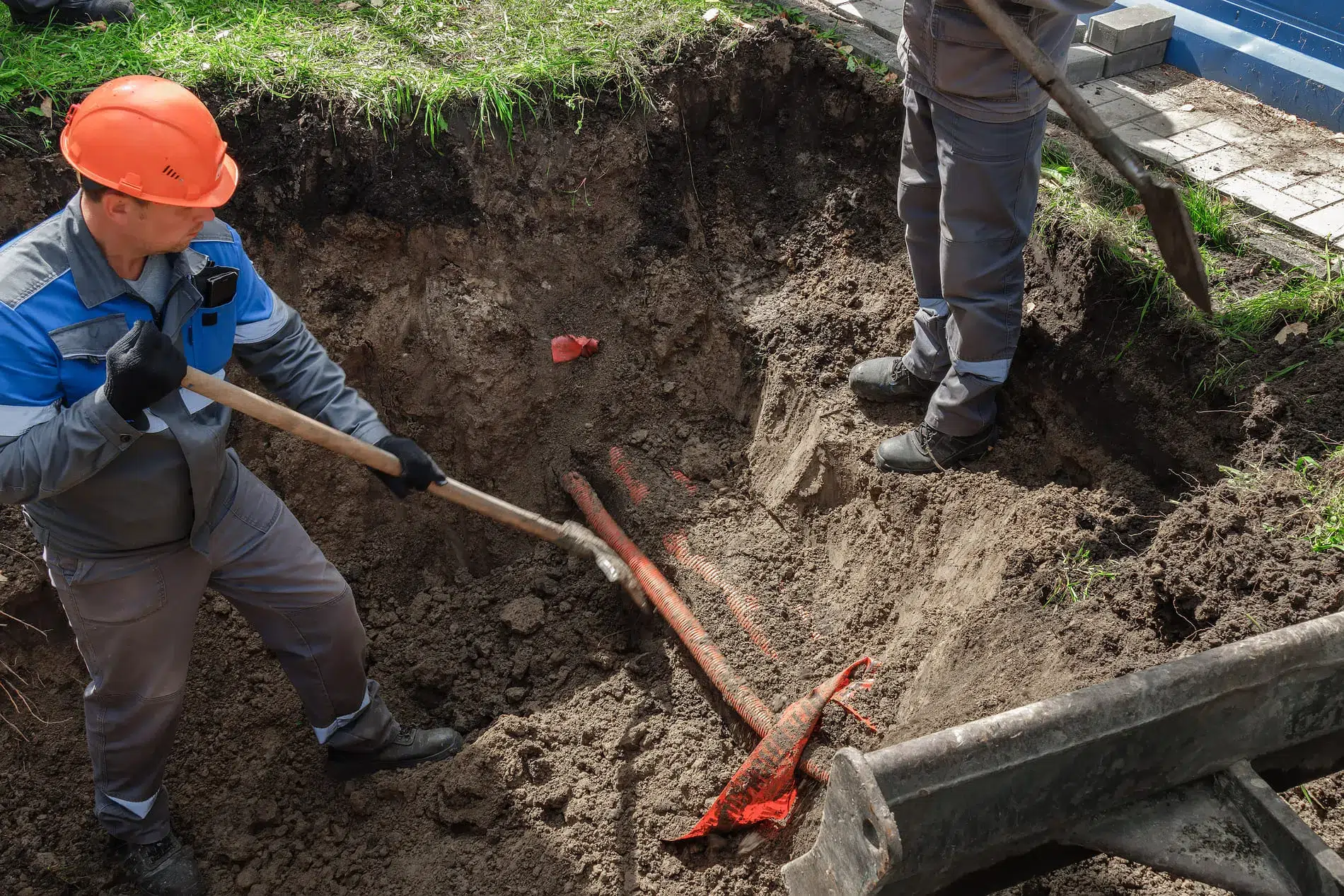
Every locate request helps create safer worksites and prevents avoidable accidents. Before breaking ground, confirm utilities are marked, maps are complete, and hazards are clearly visible.
Enhance your knowledge with our online Line Locating and Marking course, designed specifically to meet the needs of worksites across provinces.