Gas Safety Essentials: The Hidden Risks You Can’t Ignore

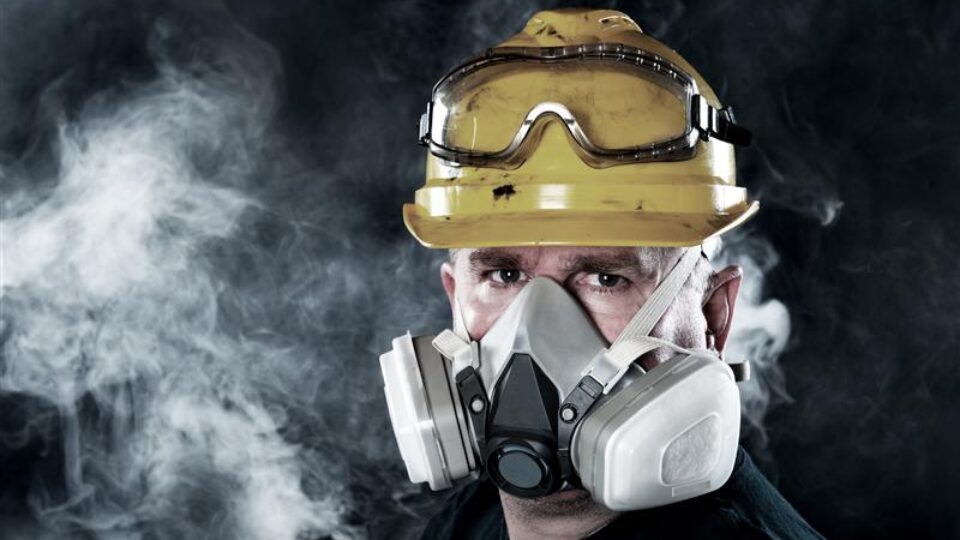
It’s invisible, often odourless, and capable of silently replacing the oxygen around you, gas hazards are among the most underestimated risks in the workplace. Whether it’s propane used on a construction site, hydrogen sulphide released in industrial operations, or compressed air in a fabrication shop, gases can turn routine work into a life-threatening situation in seconds.
Let’s explore why gases are so unpredictable, what makes them dangerous, and how proactive awareness can prevent serious incidents.
Do Gases Rise or Sink? Why It Matters
Not every gas behaves the same way. Some are lighter than air and rise quickly, while others are heavier and gather near the ground. This difference isn’t just scientific trivia, it can determine where hazards form.
Propane, for instance, tends to pool in low-lying areas, while lighter gases like helium drift upward. Without proper training, a worker could easily overlook a silent, invisible threat accumulating right beneath their feet.
What this means for you:
- Include gas behaviour in every hazard assessment.
- Train crews to identify potential leak zones, especially in confined spaces, pits, or trenches.
- Remember that the absence of smell or visible signs doesn’t mean it’s safe, trust your gas monitors, not your senses.

How Temperature Influences Gas Behaviour
Gas never stays still. Heat makes it expand, raising pressure and explosion risk while cold makes it contract, often causing it to settle or move unpredictably. Both scenarios can turn a safe situation hazardous if storage and usage conditions aren’t monitored.
What this means for you:
- Store cylinders away from heat sources or direct sunlight.
- Follow safe handling procedures for compressed gases, keeping pressure changes in mind.
- Incorporate real-world temperature simulations in safety training to help workers recognize and mitigate risks before they escalate.

When Does Gas Become Dangerous?
The concentration of gas in a workspace determines whether it’s safe, toxic, or explosive. In confined spaces, even a small leak can rapidly lead to dangerous exposure levels.
What this means for you:
- Ensure workers handling toxic gases remain within their 8-hour Occupational Exposure Limit (OEL).
- Maintain up-to-date records of all flammable gases and their Lower Explosion Limit (LEL).
- Equip every crew with properly calibrated gas detectors that provide real-time alerts.

Safety Starts with Awareness
Gas doesn’t announce its presence, it expands quietly, shifts with temperature, and can reach critical levels before anyone notices. That’s why understanding gas behaviour is more than compliance, it’s life-saving knowledge.
Take the next step toward a safer workplace with the BIS Safety Software Gas Safety Course. Help your employees recognize, assess, and control gas hazards effectively. Because when it comes to gas safety, what you can’t see can definitely harm you.