Confined Space Safety Awareness - Understanding the Risks
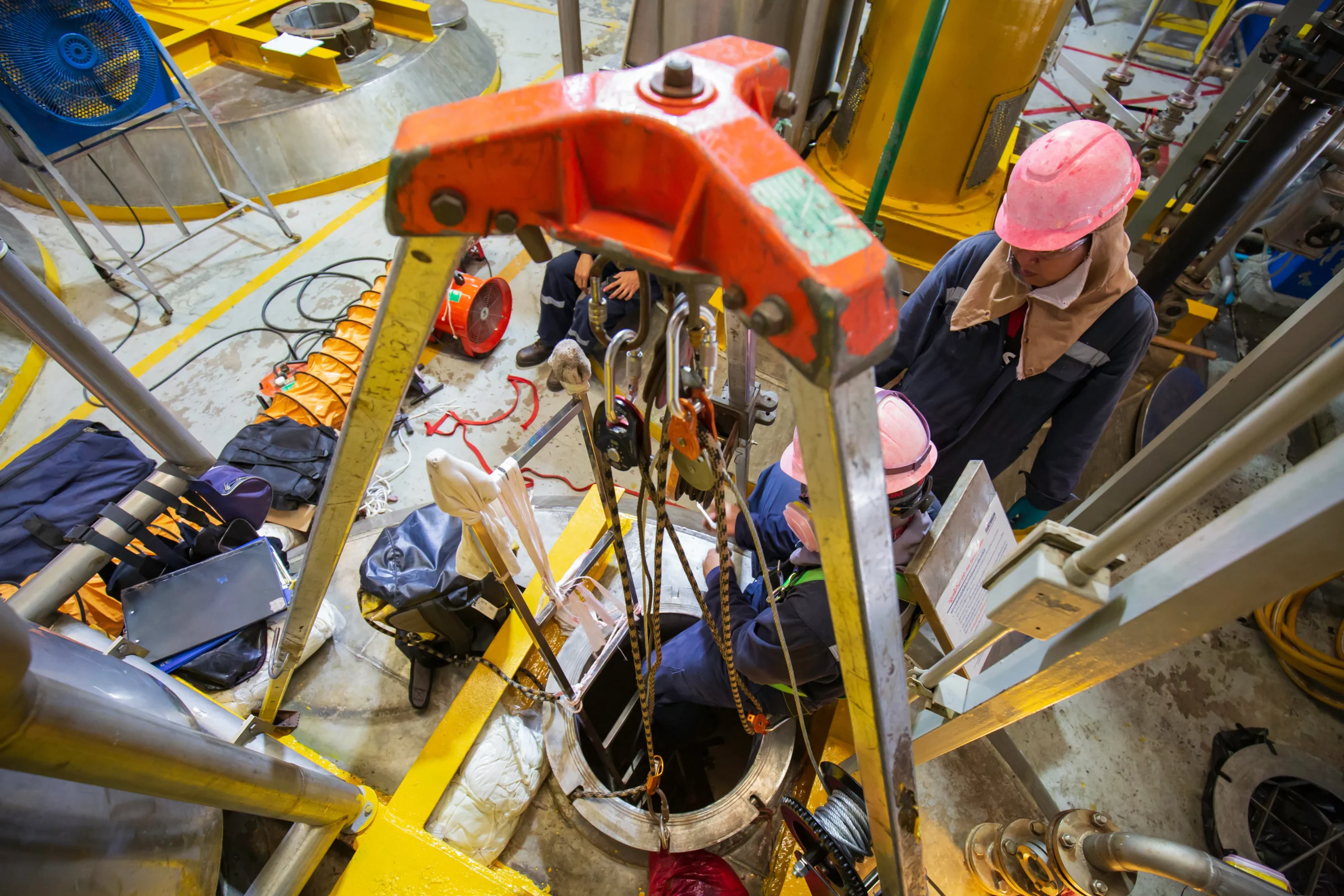
Confined spaces are among the most unpredictable work environments in any industry. From toxic gases to engulfment hazards, these areas demand precision, preparation, and teamwork. Once someone crosses that entry threshold, safety depends on every person doing their part and every plan being followed exactly as designed.
Defining a confined space in Canada
Under Canadian Occupational Health and Safety Regulations, a confined space is an area that is:
- Fully or partially enclosed,
- Not intended for continuous human occupancy, and
- Designed with limited access or egress.
That means silos, tanks, sewers, and trenches all qualify. Beyond physical limits, hazards such as poor ventilation, stored energy, or hazardous materials can turn ordinary maintenance work into a serious emergency. Every confined space must be identified, labeled, and assessed before entry, in accordance with federal and provincial requirements.
Roles and responsibilities in confined space entry
Confined space safety is a coordinated effort between four key roles:
- Employer: Creates the confined space program, verifies training, and ensures emergency preparedness.
- Entry Supervisor: Confirms safety measures and halts work if risks increase.
- Entrant: Performs the work inside, maintaining constant communication and exiting immediately if alarms sound.
- Attendant: Monitors from outside, tracks communication, and initiates rescue when necessary.
Each role forms a vital link in the safety chain, ensuring accountability from start to finish.
The purpose of a confined space permit
A confined space entry permit outlines the safety steps required before anyone enters. It includes hazard identification, atmospheric test results, PPE requirements, and emergency contact information. Once approved, the permit must remain posted at the worksite. Any change in conditions voids the permit until reassessment is complete.
Controlling confined space hazards
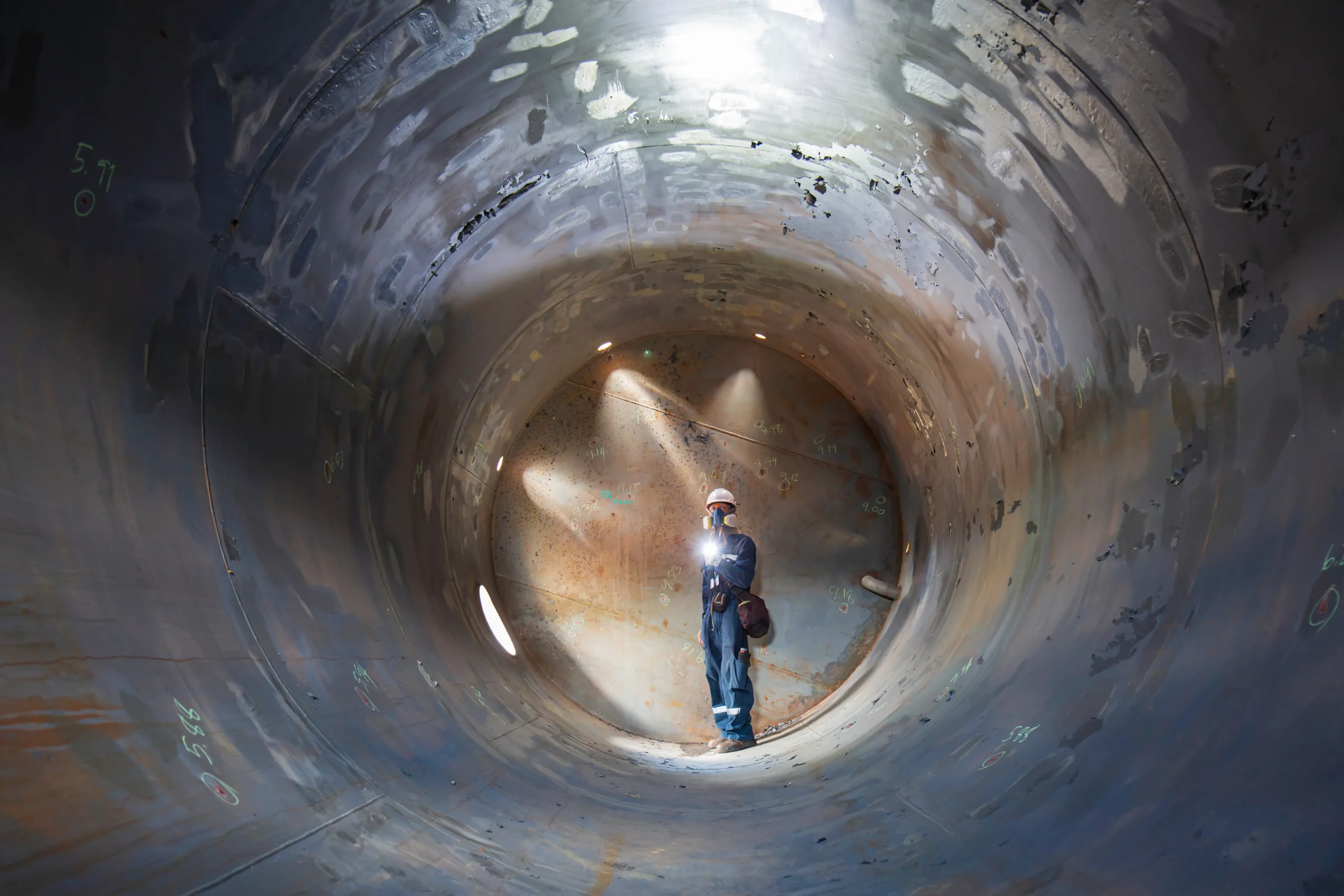
Hazard management follows the hierarchy of controls starting with eliminating entry when possible, then substituting safer methods, applying engineering controls like ventilation, and maintaining proper administrative controls through training and supervision. PPE, such as respirators and harnesses, serves as the final protective measure.
Continuous atmospheric testing is essential. Gases behave differently based on weight, so testing at various levels prevents dangerous surprises once work begins.
Preparing for confined space emergencies
Most confined space fatalities in Canada occur when rescuers attempt unplanned entries. Rescue preparedness includes planning for:
- Self-rescue (the entrant exits safely),
- Non-entry rescue (using retrieval devices), and
- Entry rescue (trained responders enter with full equipment).
Rescue procedures must be reviewed and tested before work begins – no plan, no entry.
Building a culture of confined space awareness
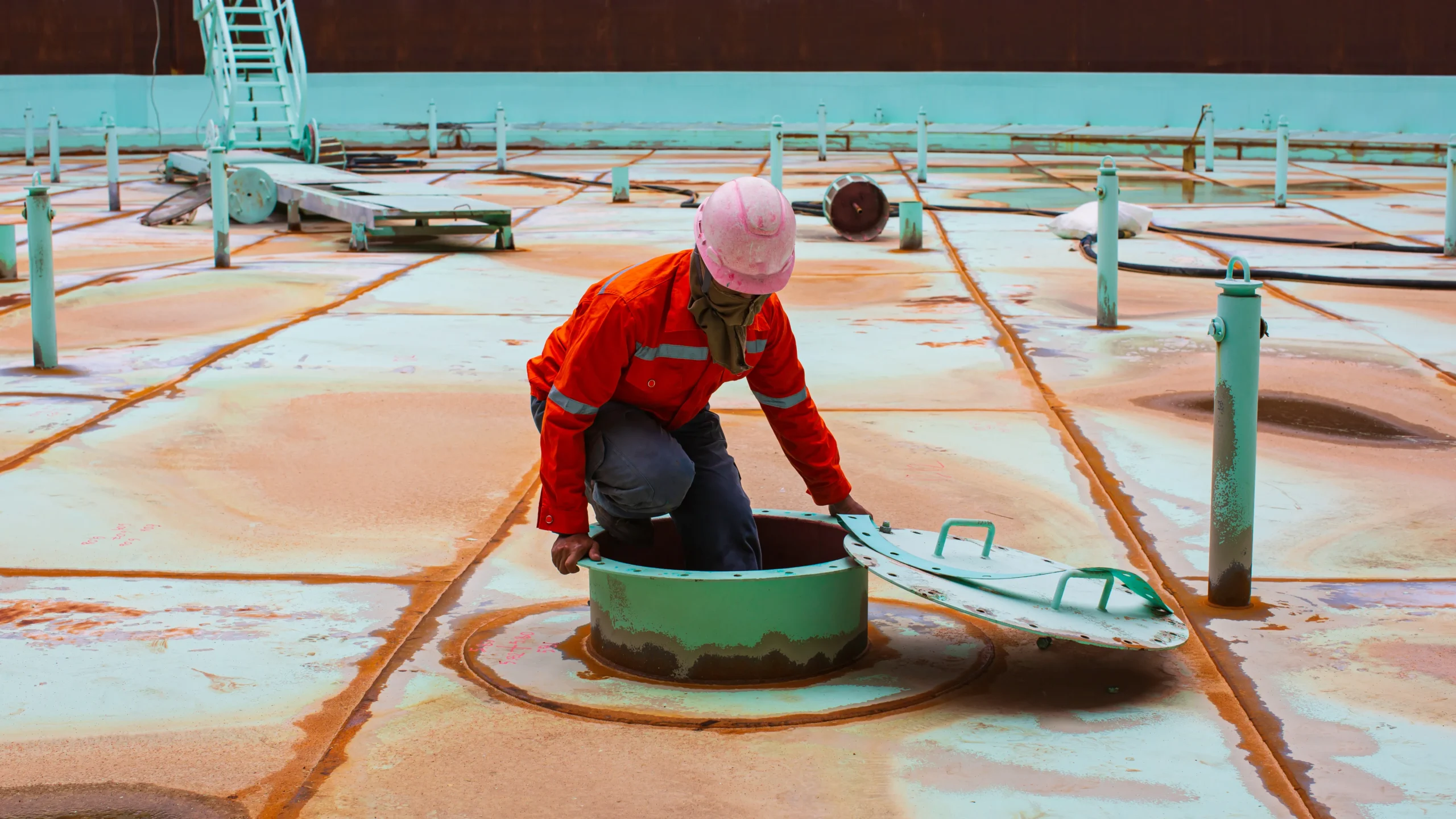
Confined space safety awareness is more than regulatory compliance, it’s about building trust, communication, and competence. Teams that discuss, reassess, and document every entry are the ones that prevent incidents and protect each other.
Training builds the foundation for this culture. Our Confined Space Safety Awareness course helps employers and workers understand the real-world risks and how to control them through preparation, teamwork, and continuous monitoring.