A Worker’s Guide to Safe Respirator Use
Protecting Your Lungs Starts With the Right Gear and the Right Knowledge
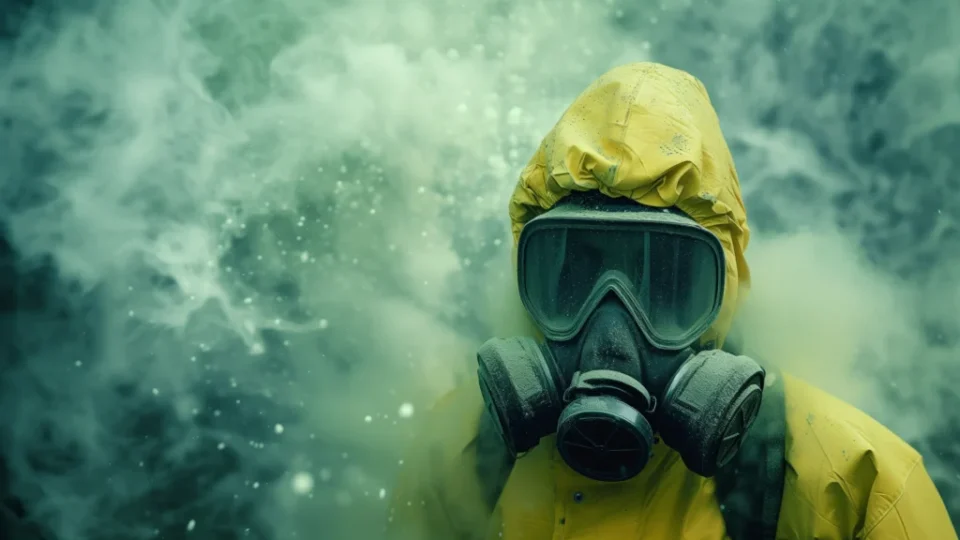
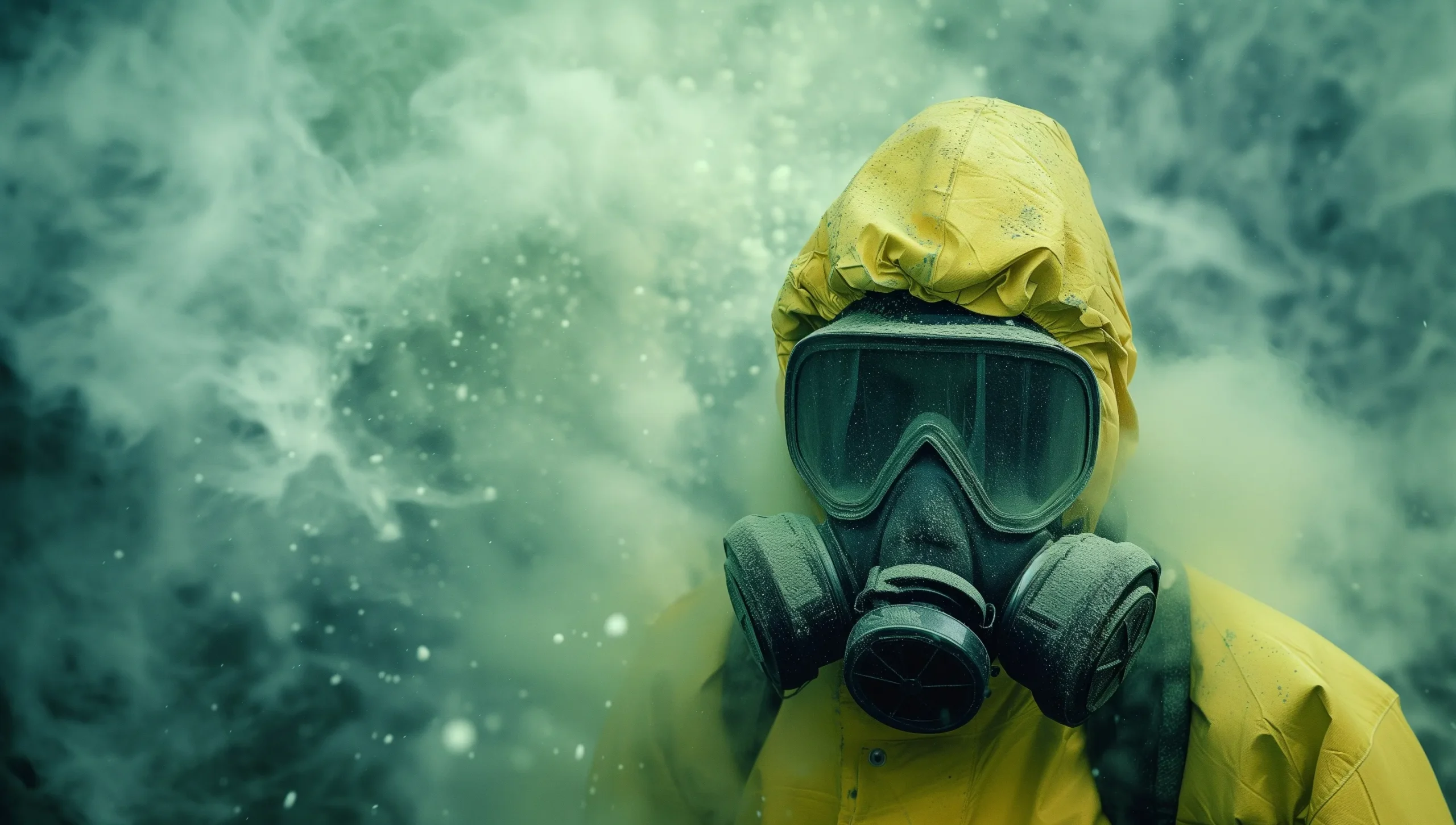
On many worksites, harmful airborne substances can’t be seen, smelled, or detected quickly enough to avoid exposure. When the air itself becomes a hazard, a respirator becomes essential protective equipment, your last line of defence against toxic particles, gases, and oxygen-deficient spaces. But even the best respirator won’t protect workers if it’s the wrong type, poorly maintained, or improperly fitted. Safe breathing requires proper selection, routine care, and confident use.
When Are Respirators Required? Understanding Airborne Risks
Many workplace conditions call for respiratory protection, especially when the air contains contaminants such as:
- Dusts and particulates: silica, asbestos, wood fibres, construction debris, metal particles
- Fumes and smoke: created through welding, cutting, or soldering
- Mists: from sprayed coatings, pesticides, or chemical cleaners
- Vapours and gases: solvents, fuels, industrial chemicals
- Low-oxygen atmospheres: often found in tanks, confined spaces, or poorly ventilated areas
- Biological hazards: mould, viruses, or bacteria
These hazards don’t provide early warnings, which is why knowing when and how to use a respirator is critical for worker protection.
Choosing the Correct Respirator for the Job
Once the airborne hazard is identified, the next step is selecting the right protection. Respirators fall under three main categories:
Air-Purifying Respirators (APRs)
These remove contaminants from the air before the wearer breathes it in. They include disposable masks, half-face cartridges, and full-face respirators.
Supplied-Air Respirators (SARs)
These provide clean, breathable air from a remote source and are ideal for areas where contaminants are too concentrated for APRs.
Self-Contained Breathing Apparatus (SCBA)
These systems supply air from a portable tank and are used in extremely hazardous or oxygen-deficient environments.
Using the correct style ensures workers are protected from the specific risks in their environment.
Care, Cleaning, and Maintenance: Keeping Respirators in Working Order
A respirator must be in excellent condition to function properly. Workers should:
- Inspect all components before and after each use
- Look for cracks, stretched straps, damaged valves, or dirt buildup
- Replace filters and cartridges before they expire or become saturated
- Clean the respirator with mild soap and warm water
- Store equipment in a clean, dry location away from direct sunlight
Proper maintenance prolongs the life of the equipment and ensures reliable protection.
The Importance of Fit and Seal Checks
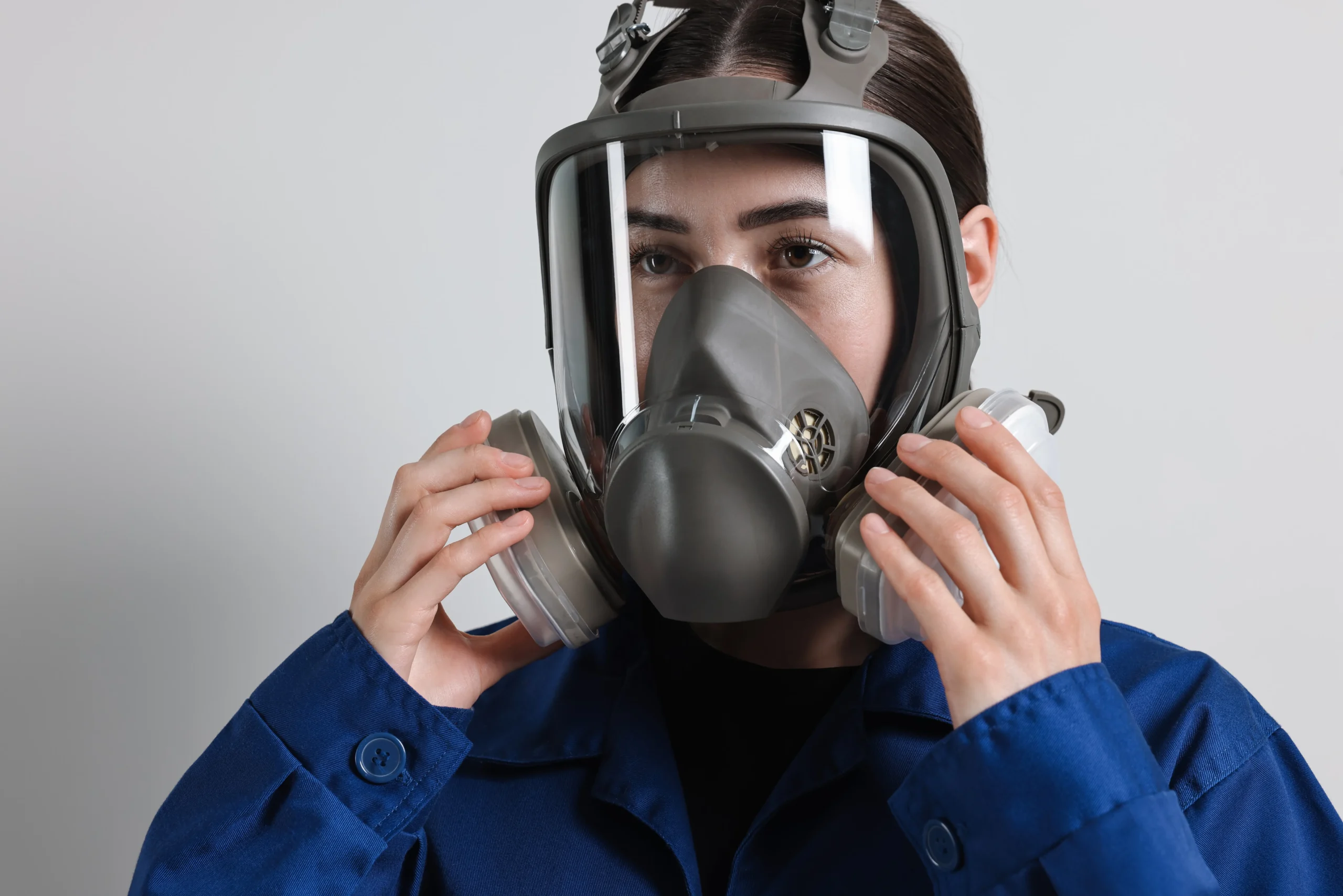
Even the right respirator becomes ineffective if it doesn’t seal properly. A secure fit depends on facial structure, grooming habits, and even small physical changes.
- Fit tests must be completed regularly, typically every 1–2 years or sooner if the wearer experiences weight changes, facial hair growth, or dental procedures.
- Seal checks must be conducted every time the respirator is worn to confirm there are no leaks.
A respirator with a broken seal provides a false sense of protection and leaves workers vulnerable to dangerous exposure.
Training: The Key to Reliable Respirator Use
Workers need more than just equipment, they need the knowledge to use it correctly. Training ensures employees know how to:
- Select the correct respirator
- Inspect and maintain their equipment
- Complete fit tests and seal checks
- Understand the limits of each respirator type
- Follow regulatory requirements and workplace safety procedures
Effective training turns safe practices into daily habits that protect long-term health.
Improve Workplace Safety with BIS Respirator Training
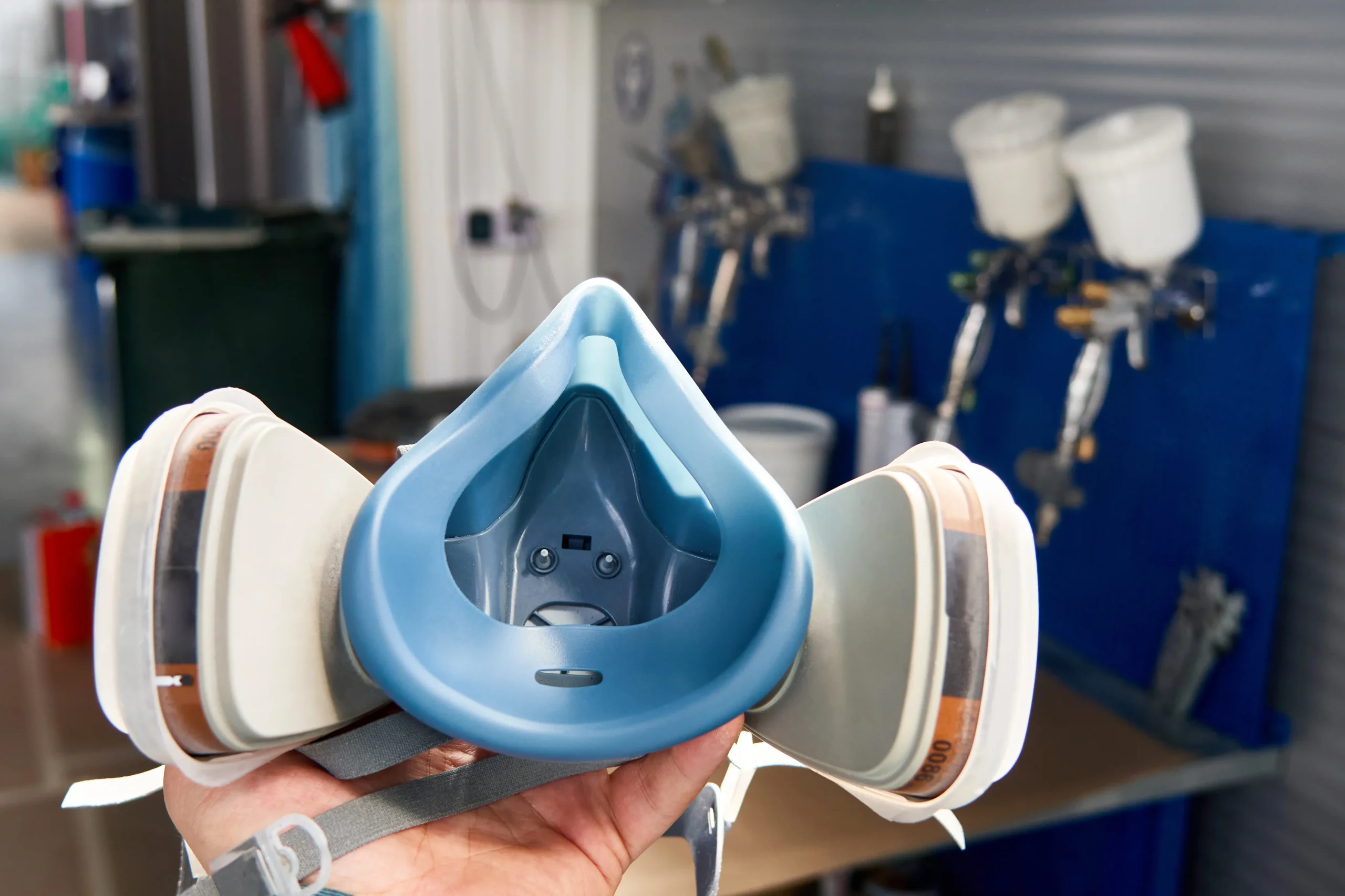
BIS Safety Software’s Gas Respirator Safety Course gives workers a complete understanding of respirator use, covering selection, fit testing, maintenance, and regulatory best practices. With proper training, workers gain confidence in their PPE and stay protected in hazardous environments.
Enroll your team today and support safe breathing on every job.