
Mini Excavator Training: The Safety Principles That Make the Difference
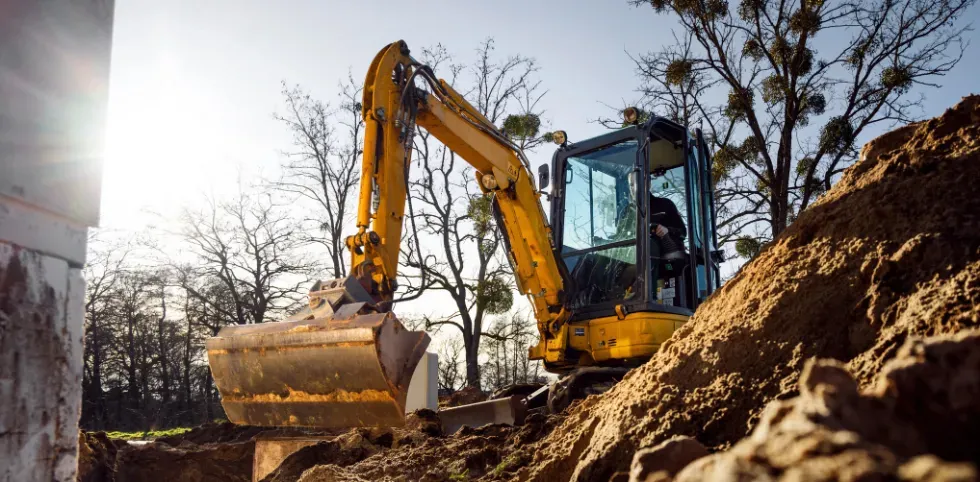
Mini excavators are valuable machines on worksites where access is limited and precision matters. Their compact design allows them to navigate narrow pathways, residential properties, and congested construction zones while still handling substantial loads. However, this flexibility also introduces risk when the equipment is operated without proper training or situational awareness.
From years of hands-on experience, one thing is clear: mini excavator training is the most reliable way to manage these risks. When operators internalize safety fundamentals and apply them instinctively, incidents decrease and job sites operate more smoothly. BIS’s Mini Excavator Training course expands on the key concepts below to ensure operators are prepared, confident, and capable.
Selecting the Appropriate Equipment for the Task
A foundational element of excavator safety training is teaching workers to assess whether a mini excavator is truly the right machine for the job. Training emphasizes that these machines are designed for confined areas where accuracy outweighs raw power. Depending on the model, mini excavators typically offer digging depths of approximately 1.5 to 4 metres, reaches of 3 to 6 metres, and lifting capacities ranging from 400 to 4,000 kilograms.
Understanding these specifications is critical. Exceeding rated limits significantly increases the likelihood of tip-overs and equipment failure, particularly when operating at full reach or on unstable ground. Operators must consider task requirements, ground conditions, attachment selection, and load weight before beginning work. The course reinforces scenarios where alternative tools or larger equipment are safer choices. This decision-making ability is a core competency linked directly to excavator operator certification.
Becoming Familiar With the Equipment
Training consistently reinforces that safe control begins with understanding how the machine functions. Operators are guided through all major components of a mini excavator, including the boom, stick, hydraulic systems, tracks, blade, attachments, and operator cab.
Key safety systems reviewed include:
- Travel and reverse alarms that warn nearby workers
- Roll-Over Protective Structures (ROPS) used with seatbelts
- Hydraulic lockout controls to prevent unintended movement
- Emergency stop features
- Rearview cameras that improve visibility
Operators are taught to view these systems as active safety controls that must be checked and relied upon, not features to be taken for granted.
Pre-Operation Inspections
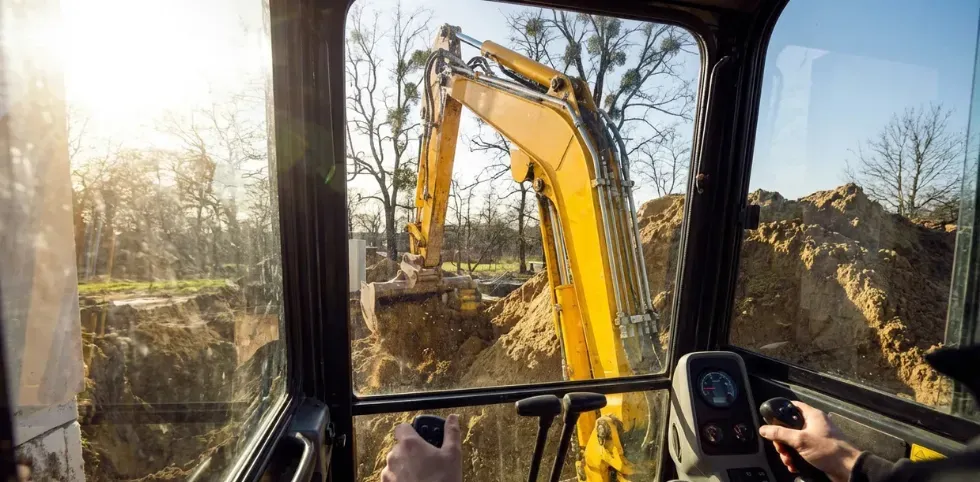
Canadian regulations require equipment inspections prior to use, and this expectation is clearly reinforced throughout the training.
Competent operators develop consistent inspection habits focused on specific areas.
Visual Inspection
During a visual check, operators should:
- Examine the surrounding work area for hazards
- Evaluate the overall condition of the machine
- Look for cracks, damage, leaks, or missing parts
- Inspect tracks, hoses, attachments, controls, and the cab
Operational Inspection
Operators are trained to test:
- Engine and power systems
- Operating controls
- Safety devices such as alarms
- Hydraulic response and smoothness
- Track movement and steering
Any unusual noises, sluggish responses, or irregular operation indicate the equipment must be removed from service. Recognizing these warning signs early is a direct result of effective mini excavator training.
Essential Safe Operating Practices
Safe operation relies on consistent habits reinforced through training.
Starting and Stopping
Each time an operator enters the machine, they must:
- Maintain three points of contact
- Fasten the seatbelt
- Verify the parking brake is engaged
- Start the engine at low idle
- Confirm gauges are within normal ranges
Controlled stopping is equally important to maintain stability and prevent load shift.
Traveling
Keeping the bucket low during movement lowers the centre of gravity and reduces rollover risk, especially on slopes.
Spotters must be used whenever visibility is limited. Clear eye contact and standardized signals are mandatory.
Situational Awareness
Operators are trained to continuously monitor:
- Overhead utilities
- Uneven or unstable ground
- Nearby workers and pedestrians
- Other equipment
- Loose materials
- Personal fatigue or illness
Communication
Many incidents stem from miscommunication. Training emphasizes pre-task discussions, radio use, and consistent hand signals to eliminate assumptions.
Speed Management
Operating too quickly increases every hazard, including tipping risk and stopping distance. The course promotes smooth, deliberate movements at all times.
The Importance of Stability
Stability changes constantly during operation. As the boom extends, the centre of gravity shifts, increasing tipping forces.
- Lift loads close to the machine
- Adhere to manufacturer load charts
- Use the blade to improve balance
- Keep the boom retracted while traveling
- Avoid swinging loads across slopes
- Move cautiously on uneven terrain
- Operate safely on inclines
These principles are frequently identified in incident investigations and are therefore emphasized throughout the course.

Securing the Excavator at Shift End
The course outlines a clear shutdown process designed to prevent roll-aways and unauthorized movement:
- Park on firm, level ground
- Lower the bucket completely
- Disengage hydraulic systems
- Place controls in neutral
- Engage the parking brake
- Idle according to manufacturer guidance
- Shut down the engine
- Exit using safe access points
- Chock tracks when required
Get Immediate Access to This Course
Shared Accountability for Safety
Mini excavator incidents often involve struck-by hazards, rollovers, trench failures, underground utility strikes, or mechanical issues.
- Employers provide proper training
- Supervisors assess site conditions and locate utilities
- Operators follow procedures and report hazards
- PPE is used consistently
- Trenching operations use shoring or sloped walls
The training also reinforces the Canadian right to refuse unsafe work under the Canada Labour Code.
Emergency Situations
Utility Contact
Training aligns with Canadian requirements, instructing operators to:
- Maintain prescribed clearance distances
- Remain inside the cab if contact occurs
- Call emergency services
- Notify utility providers
- Keep others away from the area
- Exit only if necessary using jump-and-shuffle techniques
Tip-Overs
Operators are instructed to stay inside the cab, brace themselves, and shut down the engine. ROPS protection is effective only when the operator remains seated.
Emergency Shutdown
In emergencies, operators must lower attachments, stop all movement, shut down the machine, engage brakes, assess hazards, and report immediately.
The Value of Reporting
Incident reports are positioned as learning tools rather than administrative tasks. Reports should document conditions, actions taken, outcomes, and contributing factors. Multiple perspectives help identify root causes and prevent recurrence.
Strong mini excavator training programs like those provided by BIS use incident reviews to support continuous improvement and operator competency.
Applying Training on the Job
When safety principles are consistently applied, mini excavators become predictable, controlled tools rather than high-risk equipment. Every safe shift depends on training, awareness, and respect for machine limitations. Digital solutions such as BIS Safety’s training management and record-keeping systems help reinforce these behaviours by ensuring certifications remain current and operators stay prepared.
Contact BIS to learn how the right training can strengthen safety across your operations.