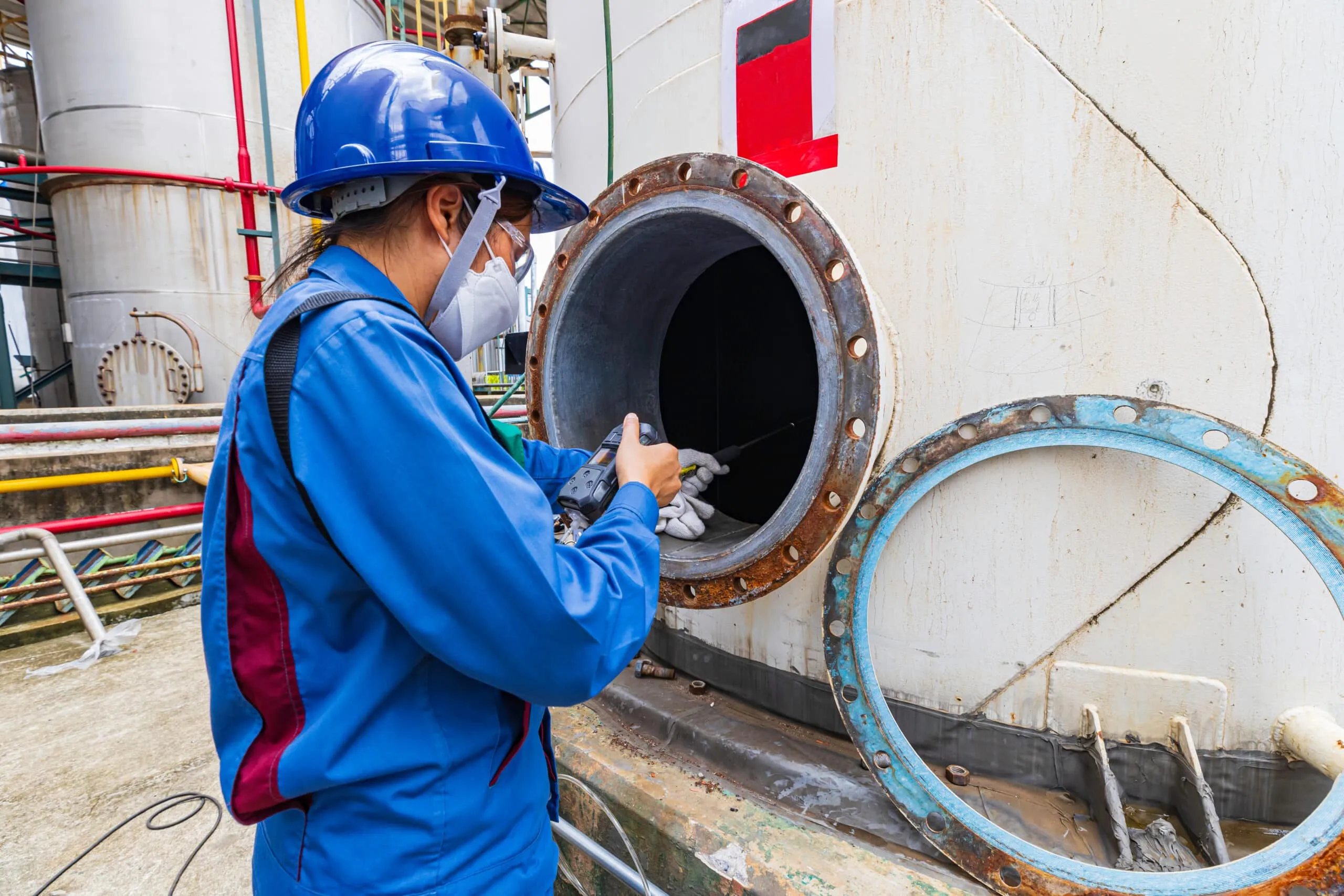

What is Compressed Gas?
Equip your workforce with the awareness to handle compressed gas cylinders safely in any setting. The Compressed Gas Cylinder Safety Training builds a clear understanding of the physical, chemical, and pressure-related risks tied to cylinders, valves, regulators, and dispensing components. Learners gain practical skills to identify markings and labels, inspect equipment, operate connections responsibly, and apply secure movement and storage practices that help prevent leaks, tipping, fires, or explosions. With a focus on proactive precautions and proper protective gear, the course encourages teams to use suitable PPE and follow proven safety habits that protect people, products, and workplaces alike.
Présentation du cours
The Compressed Gas Cylinder Safety course introduces learners to the hazards associated with using, moving, and storing compressed gas containers. It explains how cylinders, their dispensing components, and their contents can create risks if not handled properly. The training highlights common hazards, identification markings, and the controls needed to prevent incidents during everyday tasks.
Participants learn best practices for inspecting cylinders, understanding labels, operating valves and regulators, and securing containers during storage or transport. By the end of the course, learners will be able to recognize potential hazards and apply safe work practices to keep themselves and others protected.
APERÇU DU SUJET
Compressed gas cylinders are widely used across industrial, laboratory, and maintenance environments. Because these containers store gas under high pressure, improper handling can lead to leaks, injuries, fires, or explosions. Understanding how cylinders work, what hazards they present, and how to manage them safely is essential for anyone who uses or transports compressed gases. This course provides the foundational knowledge workers need to handle cylinders with confidence.
SUJETS DE COURS
Introduction
- Understand why compressed gas safety matters
- Review common applications and cylinder types
Compressed Gas Cylinder Hazards
- Identify physical, chemical, and pressure-related hazards
- Recognize the risks associated with valves, regulators, and connections
Using Compressed Gas Cylinders
- Learn how to inspect, connect, and operate cylinders safely
- Understand labels, markings, and required protective equipment
Moving and Storing Cylinders
- Apply best practices for transporting cylinders securely
- Follow safe storage procedures to prevent tipping, leaks, or damage
DURÉE DE LA FORMATION
This online compressed gas cylinder safety course takes approximately 30 minutes to complete. Learners can start, pause, and resume the training at their convenience.
NOTE MINIMALE REQUISE
A minimum score of 80% is required to pass the course. Participants may repeat the training up to two times if needed. Short quizzes throughout the program help reinforce key concepts and support knowledge retention.
ATTESTATION DE FIN DE FORMATION
Upon successful completion, learners can download and print a digital certificate of completion.