ELECTRICAL SAFETY FOR THE NON-ELECTRICAL WORKER COURSE OVERVIEW
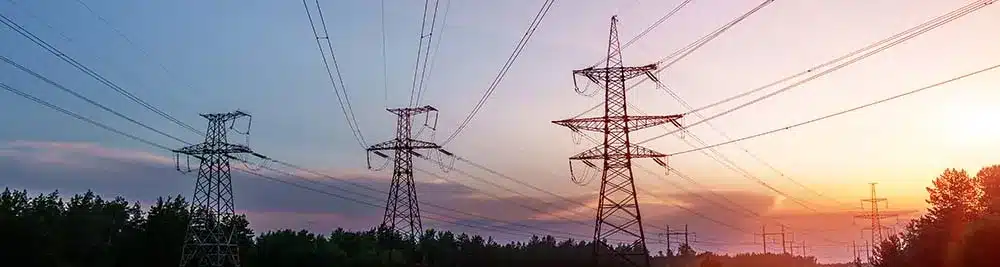
This course is designed specifically for non-electrical workers who typically use, apply, and/or operate electrical equipment in the workplace or work in close proximity to overhead power lines. It will inform you about the associated hazards and risks and explain how to protect yourself from being potentially exposed to electrical shock and arc flash hazards.
By the end of this course, you should be able to:
- Describe how electricity is produced and distributed
- Identify shock and arc flash electrical hazards
- Understand normal and abnormal conditions of energized electrical equipment
- Summarize your roles and responsibilities
- Apply safe electrical work practices
- Explain emergency response procedures for electrical incidents
This course provides awareness training that is not specific to any region or country; therefore, it is important to familiarize yourself with and follow your employer’s specific policies and practices.
This course was developed by a leading electrical safety subject matter expert with over 22 years of experience as an electrical engineer. In addition to having vast experience as an independent electrical safety consultant, the developer was the first Vice-Chair of the CSA Z462 Workplace Electrical Safety Technical Committee and is currently a CSA Z462 voting member and leader of Working Group 8 annexes.
ELECTRICAL SAFETY FOR THE NON-ELECTRICAL WORKER COURSE TOPICS
Course Introduction
- Overview
- Objectives
Introduction to Electricity
- What is electricity?
- Ohm’s law
- Where does electricity come from?
Standards and Regulations
- Health and safety regulations
- Plan-Do-Check-Act
- Consensus-based standards
Roles and Responsibilities
- Normal condition
- Abnormal conditions
- Normal or abnormal?
- Look, listen, and smell
Understanding the Risks
- What are the risks?
- Effect of shock and arc flash
Taking Precautions
- Approach boundaries – shock and arc flash
- Overhead power lines and buried cables
- Step and touch potential
- Environmental conditions
- Personal protective equipment
Reporting Incidents and Emergency Response
- Emergency response
- Reporting the incident
Conclusion and Final Exam
- Final note
- Final exam