
Bloodborne Pathogens Online Training
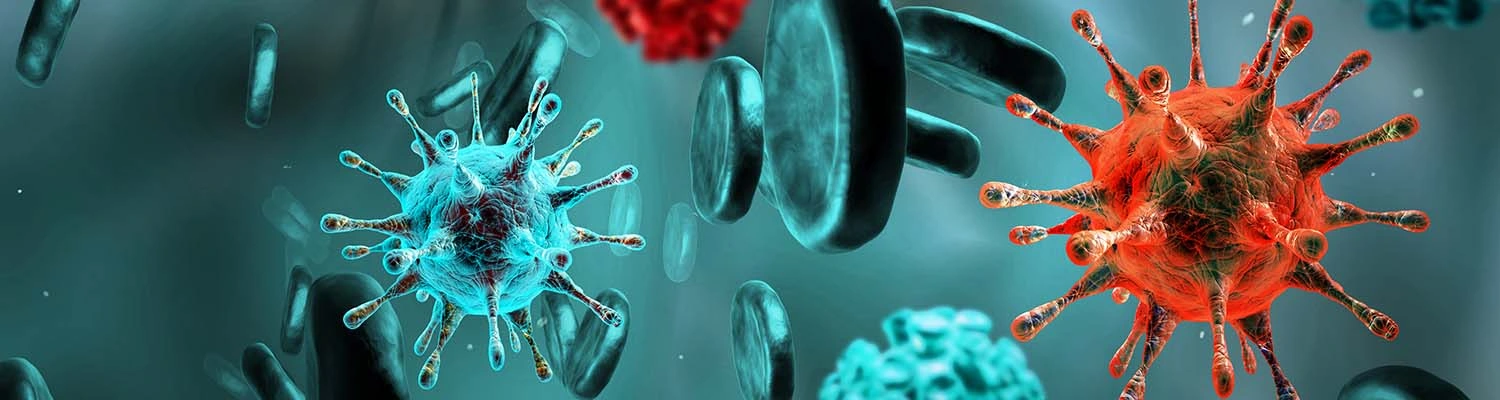
Bloodborne pathogens are infectious microorganisms such as viruses and bacteria that can be carried in human blood and other bodily fluids. When a person comes into contact with these fluids through broken skin, cuts, or needlestick injuries, transmission can occur, leading to serious illness. Some of the most recognized bloodborne pathogens include the Human Immunodeficiency Virus (HIV), Hepatitis B (HBV), Hepatitis C (HCV), and syphilis.
Although many people associate these hazards primarily with healthcare settings, the truth is that potential exposure can occur in a wide range of workplaces. Any environment where workers might come into contact with blood or bodily fluids requires awareness, safe practices, and proper protective measures. This Bloodborne Pathogens Awareness course provides the foundational knowledge employees need to recognize, prevent, and respond to exposure risks.
The program is divided into four comprehensive chapters:
- Chapter 1: Introduction to Bloodborne Pathogens
- Chapter 2: Routes of Transmission and Prevention Strategies
- Chapter 3: Safe Handling of Sharps and Biohazardous Waste
- Chapter 4: Responding to Exposure and Incident Procedures
By the end of this course, participants will have the confidence and understanding to protect themselves and others from bloodborne hazards in the workplace.
Bloodborne Pathogens Course Topics
Understanding how to prevent exposure to bloodborne pathogens is essential for maintaining a safe and healthy work environment. This course covers both the science behind these microorganisms and the practical steps required to control and eliminate associated risks.
After completing the training, learners will be able to:
- Describe what bloodborne pathogens are and how they affect the human body
- Identify the most common infections, their symptoms, and modes of transmission
- Recognize situations and workplace tasks where exposure risks may exist
- Apply engineering, administrative, and personal protective measures to reduce exposure
- Demonstrate proper handling and disposal of contaminated materials and sharps
- Outline appropriate actions and reporting procedures following an exposure incident